Author Archives: krcmic.com

Everything You Need To Know About Digital Business Transformation

Digital Business Transformation is disrupting enterprises across all industries by breaking down boundaries between people, companies, and things. Companies can generate new goods and services, as well as find more efficient methods of doing business, by breaking down these boundaries.

Understanding the definition and purpose of digital business transformation

To begin with, we need to fully understand what digital business transformation is and what goals it helps to achieve. The cultural, organisational, and operational transformation of a company, industry, or ecosystem via the intelligent integration of digital technologies, processes, and capabilities across all levels and functions in a structured and systematic manner is referred to as digital transformation.

In other words, the term “digital transformation” (sometimes referred to as “DX” or “DT”) implies the use of technology to innovate and build the capacity to quickly adapt to changing conditions while also generating value and new services for a variety of stakeholders.
Although DX is mostly employed in the business field, it also has an influence on other organisations including governments, public sector agencies, and organizations who work to address social concerns like pollution and ageing populations by utilising one or more of these existing and new technologies.

The profound transformation of business and organisational activities, processes, competencies, and models known as “digital transformation” is done to fully leverage the opportunities and changes caused by a variety of digital technologies and their accelerating impact on society in a strategic and prioritised manner, taking into account both current and future shifts.

Capabilities to be more people-centred, flexible, agile, innovative, customer-centric, and efficient are at the heart of the development of new competencies. These capabilities also include the ability to induce or leverage opportunities to alter the status quo, utilize big data and new, unstructured data sources, and generate service-driven revenues, with the Internet of Things serving as an essential enabler. In markets with a high degree of commoditization, efforts and strategies for digital transformation are frequently more essential and widespread. The factors that can prompt a faster deployment of a digital transformation strategy in the present and future include:

  • societal shifts (such as ageing populations)
  • customer behaviour and expectations
  • emerging or existing digital
  • societal shifts (such as ageing populations)
  • and new economic realities.

The development of new revenue streams and information-powered ecosystems of value, along with the optimization of the entire customer experience from start to finish, are key drivers and goals of digital transformation in practice. These efforts also result in new business models and digital processes. Before you get there, it is important to address internal issues as well, such as those involving outdated systems and process disconnects, as internal objectives are unavoidable for the next stages.

The ultimate goal of digital transformation is to achieve ubiquitous optimization across processes, divisions, and the business ecosystem of a hyper-connected age by building the right bridges (between people, teams, front end and back office, data from “things” and decisions, technologies, etc.). Digital transformation is a journey with multiple connected intermediary goals and a successful completion of that journey is essential.

From all perspectives, the human element is crucial: in the stages of the transformation process (work culture, collaboration, risk management, skills, etc.); and, obviously, in the objectives of digital transformation. There will always be an “offline” component, depending on the situation, because people do not want “digital” for everything and value human and face-to-face relationships. Digital transformation, however, also has an impact on non-digital interactions and transactions since it empowers every employee or agent that interacts with customers.

A DX strategy attempts to develop the capacity for fully using the potential and opportunities of new technologies and their influence in the future in a faster, better, and more creative manner. Beyond silos and internal/external constraints, a digital transformation journey requires a structured strategy with a defined plan, including a range of stakeholders. This plan takes into consideration the fact that the final objectives will alter over time because, in reality, digital transformation is a continual process along with adaptation and digital innovation.
In this article we will explain what digital business transformation is all about, we will talk about its development, evolution and presence in numerous industries and business processes.

The comprehensive approach to understanding digital business transformation

The use of digital technology in our daily lives, at work, and in society has transformed the nature of business and will continue to do so. This has always been the case, but it is now happening at a rate that is increasing and quicker than the rate at which companies are changing.

The word “digital transformation” is certainly not the greatest method for expressing the reality it addresses. Some prefer the phrase “digital business transformation,” which is more business oriented. But, as an umbrella term, “digital transformation” is also used to address the changes in, for instance, government, society, and economic conditions. When considering transformations from a comprehensive standpoint, it is evident that societal changes and shifts have an effect on companies and may be quite disruptive as a result. Every business, sector of the economy, economic player or stakeholder, and societal division cannot stand alone.

At all times, it is important to understand the umbrella term dimension of digital transformation. Although digital transformation maturity models can assist in developing visions, they are either too generic or too simplistic in practice.

The scheme focuses on developing core capabilities in various business areas to improve the organization's competitiveness and adaptability.

The term “digital transformation” refers to a broad range of activities, relationships, and changes in technology as well as to internal and external variables, industries, stakeholders, and so forth. As a result, it is important to bear this in mind while reading studies and predictions about digital transformation. Although companies throughout the world share some problems, aspirations, and characteristics, there are also huge variations by industry, area, and organisation. Even if we just consider regulatory contexts, what makes sense in one location may not make sense in another.

The major focus of this article is the transformation of digital business. Or to put it another way, it is about change in the context of digital business, where there is a decentralising change in attention towards the edge of the organisational ecosystem. Customer experience, employee happiness, stakeholder value/outcomes, collaborations, and a clear customer-centric strategy are crucial dimensions in this equation.

Such technological notions as cloud computing, advanced analytics, artificial intelligence, machine learning, the Internet of Things, and others are either:
1) enablers of digital transformation or/and
2) causes of digital transformation needs (among other things because they impact consumers’ behaviour or reshape entire industries, like the digital transformation of manufacturing) or/and
3) accelerators of innovation and transformation.

However, technology is only one component of digital transformation.

Focus on the edges – what does it mean?

Objective and end targets, customers and user experience, partners and stakeholders frequently occur at the edges and are crucial for digital transformation. In some cases, the definition of digital transformation is entirely limited to the customer experience, but this ignores many important factors.

However, the agenda is actually driven by the end objectives of the company, the clients, and the stakeholders. Since interconnection is the norm, the organization’s primary responsibility is to make connections and break down internal barriers in all sectors to achieve these many aims. In other words, even if the focus has shifted to the edges, the central capabilities are realised to help the edges function more effectively and quickly. This occurs, for example, at the organisational, technological, and cultural levels.

Technology and computer paradigms like edge computing, as well as the decentralisation of work and business structures, represent the movement towards the edges.
Evaluate the extent to which data management and analysis capabilities are shifting to the edge in a datasphere where real-time demands rise while cloud computing expands in the core, the decentralisation of information management, the shifts in security towards the endpoints, and a variety of other factors.

However, this does not imply that strategical choices become less important, or that digital transformation is only possible in companies with “new” organisational structures. Leadership is necessary for enterprise-wide digital transformation, regardless of how it is structured and as long as a holistic approach to the objectives with a view toward the edges triumphs over internal silos and de facto gaps between reality and perception.

In practice, we notice that pilot initiatives on the path to a more holistic and enterprise-wide strategy frequently take a bottom-up, ad hoc, or decentralized approach. This is common and common in the initial stages, but if not followed through on a larger scale, it carries a risk to long-term success.

As attacks increase and technological environments become more complex with growing attack surface challenges, and software supply chain attacks, it is essential to note that digital transformation security indeed requires a holistic view and even a cyber resilience strategy from the same holistic imperative.

It is evident that enterprises engage with additional (kind of) partners since digital transformation is an ecosystem play, including a variety of digital business partners in addition to vendors and suppliers. The dangers associated with connecting with more third parties are also increasing, which is why TPRM, or third-party risk management, is becoming more and more important in a variety of contexts, even beyond the security environment.

Areas of digital transformation

In the sense of interconnectedness and integration digital transformation necessitates the modification of:

  • Business ecosystems: the networks of stakeholders and partners, as well as external elements influencing the company, such as economic or regulatory goals and changes. On the information-based framework of digital transformation, new ecosystems are being developed amongst businesses with varied backgrounds, where data and useful insight are turned into assets for innovation.
  • Business models: how firms operate, from the value proposition and go-to-market strategy to the methods they try to generate money and successfully alter their core business by using innovative income sources and techniques, and occasionally even abandoning the conventional core business after a period.
  • Business functions /activities: customer service, human resources, operations, human resources, administration, marketing, etc.
  • Customer, partner, and worker approaches. The human element and strategy come first in digital transformation. It is important to consider how every stakeholder’s behaviour, expectations, and demands are changing. This is demonstrated in a variety of change-related projects where factors like customer-centricity, user experience, worker empowerment, new workplace models, shifting channel partner relationships, etc., may all be significant. It is crucial to remember that no matter what these human aspects are, from improving customer experience to increasing worker satisfaction, digital technologies are never the only way to address them. Technology is an extra facilitator and a factor in the equation of choice and basic requirements; people are what involve, respect, and empower other people.
  • Business processes: one or more interconnected operations, tasks, and sets that work together to accomplish a single corporate objective; here is where business process management, business process optimization, and business process automation come into play. Business process optimization is crucial to digital transformation initiatives, and in the majority of businesses and situations, it combines internal and customer-facing objectives nowadays.
  • Ecosystem and partnership models: a growth in cooperative, collaborative, co-creative, and last but not least, completely new business ecosystem techniques, which result in new company models and income streams.
  • Organizational culture: the acquisition of key competences across the board in areas like leadership, digital maturity, knowledge worker silos, and so on that enable one to be more future-proof is achieved by having a clear hyper-aware, customer-centric, and agile aim. Processes, commercial activities, cooperation, and the IT side of digital transformation all mix with culture. Changes are needed to bring applications quicker. Development and operations make up DevOps’ fundamental components. Change is also necessary for enterprises, processes, and activities to integrate IT and OT.
  • Business asset management: within which traditional assets are prioritised, but less “tangible” assets like information and customers are also given more attention (improving customer experience is a key objective of many “projects” of digital transformation, and information is the foundation of all business activities, technological advancements, and interpersonal interactions). Customers and information must both be considered real assets from all angles.

This is not a complete list, and many of the described factors actively interact with one another. The focus is on the business, which by definition requires a holistic view of the digital transformation, where factors like customer experience, technological advancements, and innovation with a clear purpose, as opposed to buzzwords, are crucial components. We also look at “disruptions” and “digital transformation” phenomena that have less to do with business.

Therefore, digital transformation is unquestionably more than just disruption or technology. It goes beyond simply changing for the digital era. If the latter, one needs to acknowledge that the digital era has been around for a while and is still very vague.

What is digital disruption?

In addition to being one of the most overused terms in recent years (along with digital transformation as a whole), the term “digital disruption” applies when an industry, method of doing business, or ecosystem (such as the societal one) is seriously threatened by established (mostly tech) companies, newcomers, or incumbents who have mastered digital business skillsets and developed solutions, business models, and approaches that significantly alter consumer behaviour and leave a lasting impression.

However, disruption is not limited to activities by newcomers or incumbents using disruptive tactics. In the end, disruption is about people, about consumers.

Or, to use Charlene Li’s statement: “Disruption ultimately results in a change of power in relationships.” As a human phenomenon, disruption is brought on by changes in how people utilise technology as well as in their behaviour and expectations. New technology and the way disruptive newcomers use them to their advantage may be the cause of these shifts. The change, meanwhile, may also have a larger significance unrelated to technology. Is this still considered “digital disruption”? No. Digital technologies, however, may occasionally be used to address such shifts in behaviour, expectations, demands, and so on.

Disruption frequently occurs in the final mile of the consumer experience, as Sameer Patel notes. We would claim that disruption generally frequently occurs at the many business edges, including the last mile, the consumer, the larger ecosystem, etc. Considering the disruptive effects that evolving economic realities and laws, for instance, might have on the larger ecosystem is crucial; this emphasises the necessity to place advice on digital transformation in perspective.

When you consider the disruptions and rising demands at the edges (for example, consumer expectations) which then push digital transformation, it seems logical that digital transformation frequently focuses on the edges as we stated.

We frequently claim that technology never causes disruption. However, it is a bit of a challenge sometimes.

We prefer to suggest that, as was already noted, the disruptive potential of technology lies in how they are used and embraced. If we ignore the minor point that certain technologies are not disruptive, it becomes evident that some innovations have caused greater disruption than others. We have already covered a few. A major game-changer was social. Mobile is another since it results in the ability to “be mobile”. Other examples are cloud and massive data analytics. In reality, artificial intelligence and information play a crucial role in all so-called third-platform technologies and their accelerators.

Recently, the development of an Internet of Services and an Internet of Transformation, which will ultimately become the Internet of Things or IoT, began playing a significant role in digital transformation.

However, the Internet of Things, or IoT, the mechanism by which we advance to the next stage of the Internet, is still in its early stages. As a result, the concept of the Internet of Things, which is just another word for the network of items with integrated or linked connectivity and the ability to sense, send, analyse, and/or receive data using Internet technology, is useless. But it will also serve as the common thread for most transformative evolutions. The Internet of Things has so far failed to provide many consumer applications with genuine innovation or concrete benefits. The latter is also owing to technologies such as additive manufacturing and sophisticated robotics, which are just scratching the surface of their disruptive potential.

Is there a further stage? There most certainly is. For the time being, we’re going totally hybrid in all aspects, including the integration of digital technology into humankind, which will be the fourth platform.

We believe that, given the information we just provided, the Internet of Things, cognitive/AI, big data, and artificial intelligence (AI) systems will be the next most disruptive technology. The hybrid stage has already settled, for example in an industrial environment where the cyber-physical system and, again, (industrial) IoT, are essential elements of Industry 4.0 and the Industrial Internet. The human aspect and value, however, continue to be crucial at all times.

Possible origins of transformation and disruption

There are many aspects that may cause digital business transformation and disruption:

  • Innovation- and invention-induced. Disruptive innovations include those that establish a new reality, whether in science, business, technology, or even a non-technological setting, as well as wholly original responses to societal and commercial difficulties. What could come after the printing press, the train, and the discovery of medications that transform healthcare and society (as has happened several times in the past)? The biological sciences and the use of technology within the human body and mind are probably your greatest bets.
  • Technological innovations, which have greater influence than before. Yet again, the disruption or change is not being driven by technology. It is how consumers, partners, rivals, and other stakeholders use and adapt it. IoT, AI, edge computing, virtual and augmented reality, blockchain, and other technologies have a strong potential for disruption. However, when they come together and open up new applications, as we see in the convergence of AI, IoT, and big data analytics, they have the most disruptive potential. The integration of IT and OT is also a game-changer in industrial transformation.
  • Ecosystem-induced. Organizations are a component of larger ecosystems, which include business ecosystems as well as the social and environmental ecosystems in which they and we exist. Businesses, as well as the social and natural ecosystems in which they and we exist, are all parts of larger ecosystems, which include business ecosystems. Economical changes, partner demands for you to adapt, advancements toward collaborations in transformational business ecosystems, regulatory changes, geopolitical and societal changes, as well as unforeseen occurrences like natural disasters or even a pandemic, like the impact of COVID on digital transformation and society, are all factors that can have an impact and push transformation.
  • Customer behaviour and demands. Technology is not always an element in such a ‘customer-induced’ transformation and disruption. This so-called customer-induced revolution and disruption have nothing to do with technology. When technology is incorporated and transformed into business issues, it frequently facilitates or, as previously said, causes it. A force that drives digital transformation that is not caused by technology but rather boosted by it in tandem with other causes is consumer demand for ease of use and simplicity in dealing with companies, which is much older than today. It dates back to a time before the Internet was even invented. In that sense, digital transformation may just be catching up because businesses no longer have any choice. Disruptions on a social level might also influence customer behaviour and requirements.

And this ecosystem factor leads us back to a key part of digital transformation: the interdependence and connectivity of everything – and the necessity to think holistically, across industries, and with present and future transformations in mind, as previously discussed.

Everything overlaps and is interconnected, from disruption to business processes and models to business operations and each activity of the firm and the larger ecosystem in which it functions. Consider how nearly all business operations are in reality linked, the interconnectivity of company activities from the customer’s perspective, the way information flows across all digital changes, the influence events might have on an economy, and much more. Scenario preparation is essential in this case.

Why is it important to use the holistic approach?

So, while we have only discussed certain aspects of digital (business) transformation, it is critical to have a holistic view.

Businesses have always changed and improved, technology has always brought with them new difficulties and possibilities, and norms and ecosystems have always developed. That is not new.

Digital (business) transformation is to be seen as more than just a buzzword but as a challenge, force, and most importantly opportunity for organisations that will enable them to achieve the core business competencies they need to succeed in rapidly changing environments.

Are we on the same page?

To ensure that we are on the same page we need to stress that digital transformation is not just about the following things:

  • Technological disruptions, despite their connection to technology evolutions and awareness that “new” technologies might in fact have a “disruptive” impact since the disruptions are always about consumers, employees, markets, rivals, and stakeholders.
  • Digital marketing, even though it is a significant component of corporate operations and the setting in which digital transformation is frequently applied.
  • The digitalization of information (flows) and business processes, which is just a condition basic condition, or the conversion of paper into digital information as originally intended.

Finally, the reason we prefer to talk about accelerated business transformation—or, if necessary, digital business transformation—is because it will not be long before people stop distinguishing between digital and physical, offline, and online. For instance, customers do not think in terms of channels or any of these concepts at all.

The usual suspects and digital business transformation

Digital transformation is not only about technology, and it is not just about businesses in the technology sector or the tech start-up environment, either. This common misconception can partly be explained by the fact that these “usual suspects” (Uber is arguably the most cited and problematic example) are really “disruptively” leveraging digital technology to modify current patterns and marketplaces and – at least as important – get a lot of attention.

But focusing just on the numerous IT businesses that we constantly use as illustrations of the digital revolution is a mistake. It is easy to overestimate start-ups and the technology success stories that everyone talks about, even though some have in fact been “disruptive” in the sense of forcing larger players to adapt or fail. This is especially true when compared to the organisations that have successfully implemented digital transformation in “less attractive,” but occasionally much more difficult and interesting fields.

Disruptors like Uber and the other typical suspects are receiving attention from the media and tech enthusiasts, but this attention is not without risk and hype. Leaders of digital transformation may be found in almost every sector and are frequently not the darlings of people who are fascinated by digital technology and businesses in general. The business goals, issues, customers, and context of the company come first in digital transformation, which is industry-agnostic.

Although not all and at varying rates, incumbents are also changing. In certain areas, including banking, there are changing alliances between established companies and “disruptive” start-ups. Last but not least, any future evolution has the potential to disrupt these so-called disruptive businesses as well. Long-term success is not assured, and digital-only players eventually satisfy the desire for human contact as well.

Digital transformation can be implemented in any field

So once again, digital transformation affects every industry. However, since it may have an influence on the business model itself, it can also have an impact on all of the organization’s activities, divisions, functions, and procedures.

As you can see in the example below, CapGemini Consulting was one of the first to develop the idea of digital transformation and a framework for it. A three-year study by the corporation and the “MIT Center for Digital Business” described an effective digital transformation programme as one that considered the what and the how.

The framework for digital business transformation. It is presented how digital capabilities can influence customer experience, operational process, and business model.

The following McKinsey chart highlights a few areas where digital transformation might be useful:

  • Risk optimization, digital fulfilment, enhanced corporate control and so on.
  • Innovation in products and services, for instance, where co-creation approaches may be applied.
  • Distribution, marketing, and sales are three other common suspects that, together with customer service, are frequently among the first industries to experience a digital transformation.
  • The consumer experience.

We can also add other fields such as:

  • Education and learning.
  • Human resources and workforce engagement.
  • Intelligent management of information where processes, information and data are the key and a focus on activation.
  • Supplier relationships and supply chain management.
  • Customer relationship management and customer service.

It is crucial to remember that in the context of a digital transformation (and, for that matter, a digital business), all these aspects, functions, processes, etc. are interconnected and silos have less (or no) place, not just from a technological perspective but also, and most importantly, not from a perspective on processes and people.

The example below demonstrates that digital technologies can influence every aspect of modern businesses.Digital can reshape every aspect of the modern enterprise.

Myths and realities about digital transformation

Many businesses are paying close attention to digital transformation. Focusing on real business and consumer concerns, having a clear, constantly staged strategy, prioritising, and including all stakeholders in any digital transformation project are crucial for reaping similar benefits.
In this article we would like to highlight these particular realities:

  • Top-down leadership is guiding digital change (or at least requires firm buy-in from the top – and all stakeholders if it wants to succeed in an enterprise-wide way).
  • As mentioned before, each field (including yours) is influenced. No matter the industry, neither clients, staff, partners, rivals or new, disruptive competitors will wait for business to catch up.
  • There are common traits both among digital leaders and the paths to digital transformation.
  • IT relationship is the key.

Myth and reality of digital business transformation

Digital transformation economy

The role of digital transformation is evolving, with strong roots in the growing use of 3rd Platform technology and the transformational consequences of this adoption by enterprises, employees, customers, and even people.

IDC describes a digital transformation economy as having a clear focus on the (digital) customer experience and the entire stakeholder experience while also minimising costs, innovating, and creating competitive uniqueness.

IDC imagines a future in which this layer—where the optimization, transformation, and innovation as a whole accelerates—is added to the third platform, which is more significant than simply observing an additional layer to the core technologies and innovation accelerators of innovation and transformation.

As a result, the DX economy will develop. But do not forget that despite all of the technology, it is still about the (digital) customer and stakeholder experiences, or the human dimension, which is enabled by processes, information, and 3rd Platform evolutions in the first place.

5 steps to move from transformational technology to transformation economy

Considering the previously noted remark concerning technology and IT, there is, of course, an obvious relationship with digital technologies. So, let us analyse the evolution of the digital transformation economy.

  • Step 1: Digital business and the 3rd Platform
    IDC launched the Third Platform in 2007, which at the time had four technology and commercial pillars: the cloud, big data/analytics, social (enterprise), and mobility.
    Gartner referred to it as the “Nexus of Forces” and spoke about SMAC, as did others (social, mobile, analytics and cloud). Whatever the name, what mattered was that these technologies and, more importantly, their adoption by consumers, employees, and businesses, their impact on changing behaviour, and the ways they were leveraged to achieve various goals, were significantly altering the business reality—a digital business reality.
  • Step 2: The third platform’s innovation accelerating mechanisms
    Several other technologies that IDC referred to as innovation accelerators were added to the 3rd Platform, which is followed by the client-server model period and mainframe era, respectively.
    3D printing, the IoT, robotics, natural interfaces, cognitive systems, and next-generation security are a few of them. With a stronger emphasis on business and customer innovation, we are still primarily dealing with technology.
  • Step 3: From the stage of digital transformation to innovation
    We now know that new business models, new ways to engage customers, new revenue ecosystems, and other forms of innovation become essential as long as the foundations, goals, strategy, culture, and vision are in place This is true, at least at companies that have deployed initiatives with a clear maturity in various areas and a longer-term vision.
    The aforementioned technologies and how they are applied lead to that infamous next wave or an additional layer of innovation and digital transformation, with the digital customer experience, innovation, competition, differentiation, automation, cost reduction, optimization, speed, and experiences of stakeholders serving as business drivers. Information is crucial to allow innovation, according to IDC, which in turn led to the innovation stage. Information and IT proficiency are required for digital transformation.
  • Step 4: The acceleration of transformation and innovation
    In the upcoming years, this stage of innovation and further issues caused by disruptive business models will increase.
    In other words, we (will) see that the pace of innovation and transformation is changing, leading to a stage where the disruptive impact of digital transformation is about to be felt in every industry as businesses flip the switch and massively scale up their digital transformation initiatives to secure a leadership role in the “digital industrial revolution,” as IDC’s Frank Gens put it.
  • Step 5: Digital transformation at the centre of a new economy
    Last but not least, it is this “digital industrial revolution,” also known as the “DX economy” or “economy of digital transformation,” that will place digital transformation at the core of growth and innovation plans.
    They will have a much greater and quicker impact on all industries. Additionally, the “conventional” pillars of the third platform (cloud, big data/analytics, mobile, etc.) as well as innovation accelerators like the Internet of Things, cognitive (artificial intelligence), and others will be crucial in this progression.

5 main steps towards a digital transformation economy.

The economy of digital transformation: DX shifts to the centre of business

Technology in general, including digital, has always had a significant influence on business and society. One of the changes we have noticed in recent years, as was already noted, is how quickly everything is developing. The rate of technological development and evolution is increasing quickly, with consequences that are constantly growing.

Different sectors will experience this speed differently depending on the circumstance. It is closely related to the potential impact “new technologies” may have on a certain sector of the economy, as well as to market dynamics, consumer and stakeholder types, go-to-market strategies, and many other factors. Speed is still essential in many ways. Any field can always have a company that recognises and seizes chances that its rivals do not. And regardless of industry, in some areas and operations of the business, a delay is simply not an option.

Finally, exponential growth or rapid change may occur at the most unexpected times in any field (consumer behaviour, legal frameworks, technological advancements, etc.).

Business transformation involves altering the status quo and creating the circumstances necessary to be prepared for quick changes and, ideally, proactive and in control.

Acceleration of innovation and transformation

Although a number of technologies have increased disruption, corporate innovation, and changes in human behaviour, the exponential growth and speed of change are still only a small portion of what is still to come.

Even though digital business transformation is not specifically about digital technologies, it is evident that the adoption of technologies such as social business, cloud, mobility, Big Data (analytics), cognitive computing, and the Internet of Things, among others, will always accelerate social change.

The actual acceleration, however, occurs when innovation and change as a whole accelerate at an exponential rate. And that is what analysts mean when they refer to the “digital transformation economy,” or DX economy: not just the acceleration of disruption and change, but also the acceleration of the actual digital transformations and innovations leading organisations will undergo, increasing the size the of the gap with laggards.

Concentrate on the outcomes and the future

There is a “pro-sponsive” component in addition to a dimension of responsiveness/agility in a quickly developing context (remember: not linear but exponential), which de facto necessitates a higher degree of agility and connectivity.

Being the disruptor rather than being disrupted, anticipating change, innovating, and simply thinking and acting outside the box of the usual, the past, and the present are all aspects of this. What counts is how these “pro-sponsive” techniques perform, which takes us to our next issue.

But to accomplish them, many requirements must be met, in a frequently staged approach and always involving people, processes, and technologies.

Digitalization, digital transformation, and vital elements

Digital transformation has also been used historically to refer to the digitalization of paper into digital formats and procedures.

Digital transformation in the broad sense obviously requires these digitalization elements, which involve converting paper-based information into digital data and processes in a more ad hoc manner.

Digital transformation initiatives need several components to be successful, and digitization is one of them. Four of the various components—related to technology, people, and/or processes—are mentioned below.

Change management

There is not only a chance for change and examining what can be done better and what should be (re)connected, but also a requirement for change management, as is the case with almost all significant changes that influence numerous stakeholders, divisions, processes, and technology.

There are now even more chances for change and demands for change management as a result of understanding the significance of data and analytics in digital transformation. This is not new; for instance, when web analytics gained popularity, their implementation and the linking of various data and analytics “silos” in the customer/marketing space frequently demonstrated a clear need for digital transformation in many customer-facing and customer-oriented operations, long before the term was created. Take advantage of the possibilities and meet the challenges.

However, it is clear that the human element of change management comes first and foremost—internal customers, stakeholders, and the larger ecosystem in which organisations operate. Without putting people first and getting them on board, no organization—business, government, or non-profit—can achieve a significant digital transformation. Failure and, on a larger scale, resistance may result if changes are made too quickly for people to adjust to them or if their concerns are not taken into consideration.

Prioritisation

For almost any project involving digital transformation, there are road maps available everywhere. However, roadmaps are what they are, and what counts more, within a larger reality, is the goal, priorities, pain points, and actual demands of the particular company and the individuals in its ecosystem.

There is seldom a single solution that works for everyone, and digital transformation initiatives are guided by goals, objectives, and priorities in addition to shifting ecosystem conditions. Priorities also refer to prioritisation, which frequently entails taking a look at low-hanging fruit while always keeping the next steps and ultimate objectives in mind, as well as understanding that these goals will change over time, as would the environment in which they were created.

Digitalisation

It has been brought up before, but it is significant. It is wrong to believe that businesses are truly prepared for substantial digital change on a large scale.

Too many gaps still exist between the automation and digitization of current operations.  Even worse: Sometimes what is described as digital transformation is “simply” digitalization (turning paper into electronic information into processes). In a setting of digital transformation, you need digitalization to optimise, but digitization is different from digital transformation. The combination, strategic connections, and the activities you do to accomplish company objectives through digitalization and data combining are important.

The gap between front-end operations and back-office procedures is also getting wider. The banking sector provides a good illustration of this phenomenon because of the severe divisions between the back office and the front end. We all are aware of the numerous digitization efforts that are still needed in many facets of business and society, whether it be in our day-to-day interactions with other “business people” or in the frequently pointless administrative tasks associated with our governmental or financial “duties” and interactions with businesses that force us to use paper, the phone, or channels we really don’t want to use any longer.

Skills, silos, and responsibilities

The capacity to collaborate across silos is essential for successful digital transformation, just as it is for social business, digital business, and any other customer-centric marketing and business activities. In certain instances, digital transformation even entails a total redesign of organisational structures, which may involve the removal of specific silos and collaborative approaches, Centers of Excellence, and other structures.

Even while it must be held because Chief Digital Officers, CIOs, and other CxOs all play a role, the discussion about who is ultimately responsible for digital transformation as a whole and inside certain activities and processes is outdated. Again, there is no perfect answer when it comes to duty since context matters.

Both IT and marketing should learn from one another. Or, for example, customer service from sales, sales from the contact centre and so forth. Although the purpose of digital transformation is not to create a digitally literate culture, today’s CxO must not just be digitally literate but also aware of 1) what others are doing and 2) their experiences, approaches, and skill sets. Concerning the discussions surrounding responsibility, there are several choices available since “no one size fits all.”

Strategy is the key to success

A strategic plan is essential for enterprise-wide digital transformation in the genuine sense as we previously described it.

It appears to be nearly impossible to create a digital transformation plan given the numerous elements, technology, processes, people, goals, and linkages that are needed. But luckily you can achieve it if you study the topic thoroughly.

Asking proper questions will give you proper answers

It is undoubtedly one of the causes of the variety of generic frameworks and maturity models for digital transformation.

However, how can you begin with a digital transformation plan that works for your present, your goals, any prospective disruptions, your employees, your market, and your clients given that every company is unique?

Simple solutions and frameworks are rarely sufficient for dealing with complicated problems and questions. However, we observe in practice that simple questions are rarely even asked, hence simple answers are likewise absent.

It is a common pattern that we observe in many economic and technological fields. When technology is engaged in digital transformation, Internet of Things initiatives, marketing, or anything else, we seem to neglect the basics.

Digital transformation and digital maturity benchmarks

The importance of benchmarks and frameworks for digital maturity is substantial. Frameworks and standards for digital maturity are useful. They show that, as we defined digital transformation earlier, it is a journey towards acquiring a set of capabilities and changing a variety of processes, functions, models, and more to (be able to) leverage the changes and opportunities of digital technologies and their impact across society in a strategic and prioritised way.

There are, however, a few consequences:

  • Digital transformation involves more than simply one project, approach, or exercise in optimization. It takes time and is a given from a holistic perspective. There are various elements and intermediate objectives. The views of digital maturity illustrate the fact that it comes in little steps.
  • The numerous phases, processes, initiatives, and so on that make up the context of digital transformation all have one or more objectives as such, but they also fall within the more general purpose that we just defined by making reference to (part of) our definition. Or, to put it another way, you have a plan and an aim in mind.
  • Although it may appear to be a contradiction in terms, digital transformation is a journey rather than a destination. Along with shifting market conditions, competitive landscapes, and other factors, new technologies will present both opportunities and problems. While preparing us for them is one of the objectives of digital transformation, that goal itself is changeable.
  • Change is a constant. This means that from the perspective of a digital transformation strategy, uncertainties, risks, and changes are taken into account for each incremental step and the larger goals. However, it also means that a digital transformation strategy comes with agile possibilities to change course, thanks to intermediate checks and balances and a “hyperaware” ability to continuous improvement or change.

The what, why and who questions to ask when creating digital transformation strategy.

Digital transformation strategy – the first step

The fundamentals that were previously discussed deal with the initial stages of developing and implementing a digital transformation strategy. Furthermore, they are about what, why, and how as always.

But we have to draw a distinction in this case. As you are aware, there are many different perspectives on digital transformation.

  • Some view it as one or more initiatives within the framework of digitization (which it is not) and digitalization (which it can be). Depending on the type and size of the project, what, why, and how might be answered quite differently in certain situations.
  • The term “digital transformation” is used by others, including us, to refer to this comprehensive transition. In this situation, the objective (the what, supported by the why) is a digital transformation capability as such, at the very core of the business, whereby digital transformation becomes the condition and enabler of the capacity to fully leverage changes and opportunities of (digital) technologies and their impact.

However, as previously said, this process takes time and calls for many little steps. The aim, or “the what, why, and how,” then combines with more general, major objectives to take on greater significance.

3 fundamental questions to ask in the process of creating digital transformation strategy.

Sustainability, coronavirus, and the influence of challenges in the future

Due to the COVID-19 pandemic, the pace of digital transformation began to increase in 2020. Many – obvious – sectors became more “digital” than before as corporations and communities as a whole were forced to use technologies across almost all facets of business and even our personal lives.

COVID-19 and the beneficial effects of the actions made by enterprises and the government are omnipresent in predictions for the world economy, which also include IT, digital transformation, etc.

One of the most important long-term effects is that companies increase their investments in digital ecosystems, digital experiences, and other related areas in addition to revising their digital transformation roadmaps and organisational structures.

Additionally, even while this is not only about COVID-19 alone (climate change is becoming more important, and with it, sustainability, to offer just one example), we should expect the maturity of digital transformation programmes and systems to improve.

Simultaneously, it is anticipated that an increasing number of companies will have thorough implementation roadmaps for digital transformation that consider “real change” in all spheres of business and society.

75% of businesses will have comprehensive dx implementation roadmaps by 2023.

In addition, IDC anticipates rapid investments in digital transformation with a growing emphasis on business model innovation (futureproofing) and the integration of digital and sustainability, among many other predictions.

Now possibly more than ever, the future will bring extremely uncertain and subject to geopolitical developments, and IDC considers larger enterprises. However, it’s evident that generally, digital transformation has accelerated and will do so in many domains.

In recent years, COVID-19 and our present challenges have further accelerated the need for a holistic transformation approach rather than just ad hoc optimization and digitization/digitalization initiatives whereby business model transformation, futureproofing, ecosystems, etc., become more critical in this way.

This could be a few steps too far for many businesses. Even so, it may surprise you how small organisations that are a part of the right ecosystems can change from the edge and even at the core, where such change is frequently required due to, among other things, the pandemic (and a change in thinking), those geopolitical events, climate change, an unavoidable few years of economic hardship, etc.

Customer experience and digital transformation

The user experience and the customer experience, which are not the same things, are typically prioritised in initiatives involving the digital transformation. But for many digital transformation initiatives, the customer experience serves as a catalyst and motivator.

The customer experience is not the sole responsibility of one department, and a transformational strategy by definition involves several stakeholders, including the customers.
Although customer behaviour and expectations have been impacted by technology, which also makes changes possible, the emphasis is on people and processes. Multiple components, divisions, caveats, procedures, and technologies must be considered to genuinely improve the customer experience in an organizationally wide and comprehensive manner.

In the context of customers and the customer experience, the people dimension is possibly the most important of all. The customer experience is arguably another important area where business and IT come together from a transformational standpoint.

Marketing and digital transformation

The customer experience has taken on a central role in marketing, customer service, and other procedures that are directly related to customers, just as it serves as a driver for many digital transformation initiatives.

One of the many industries undergoing a digital shift is marketing.
Important factors in this area include the digital customer journey, analytics and data-driven marketing, social CRM, the contact centre, and – once again – the customer experience. Before everything else, the urgency for digital marketing transformation is driven by shifting consumer expectations and behaviour. Marketing must evolve and collaborate more closely with other departments, including IT and customer service.

Last but not least, the linked optimization objectives go hand in hand with the requirement for digital marketing transformation.

Hyper-connected optimization and digital transformation

The urgent requirement for a more comprehensive and linked strategy towards (customer-centric) optimization is a key driver for “digitally” transforming, regardless of technology advancements, their rapidity, or the impact of their adoption.

For far too long, attempts to optimise have been carried out in isolated and disjointed ways, whether they were focused on business operations, marketing optimization, or raising the bar for customer service.

This is no longer possible given the environment’s rising connectivity and complexity among customers, employees, partners, and other stakeholders.

Holistic optimization considers the big picture of improvement, not just by observing how everything in an optimization ‘chain’ is in fact connected, but also by putting in place the necessary transformations and innovations to optimise in a far broader and more interconnected way than ever before: beyond functions, divisions, silos, and anything else that prevents end-to-end optimization and experience flow.

This emphasis on optimization through digital transformation is closely related to the aims of improved (customer) experience and stakeholder involvement. It is typically associated with the process improvement, automation, and cost savings.

The elements of holistic optimization in digital transformation.

Digital transformation and the main role of information and data

Despite the fact that information is at the heart of digital transformation, the connection between information management and digital transformation is not usually made. This is unfortunate when we consider other components at the core of digital transformation.
After all, regardless of the form of optimization, communication, cooperation, contact, experiences, innovation, and so on, information (or content or data) is a critical success component (on top of human factors, leadership, processes, organisation etc. which also require information).

Info chaos and information in the role of an enabler

According to John Mancini of the AIIM (association of information management professionals), there are four so-called information chaos challenges:

  • How can we optimize business processes?
  • How can we extract any business insight from all of the data we collect?
  • How do we use data to better engage consumers, workers, and partners?
  • How can we manage the risk of increasing content volume and complexity?

Converting these ‘information chaos’ challenges into solutions is crucial to the relationship between digital transformation and information management.

4 core information chaos problems

However, there is more. Information management plays a role as a digital transformation facilitator and in each step toward attaining digital transformation goals such as improved customer centricity, effective knowledge workers, and operational excellence.
Information and information management are also important in all three sections of the well-known triangle of 1) people, 2) process, and 3) technology/tools.

Intelligent transformation and DX

In the context of digital transformation, ‘managing information’ and data is critical, but it is not enough. In today’s and tomorrow’s information- and data-driven business, the results are more important than insights, intelligence, and actions.

Context, semantics, artificial intelligence, and activation all play a role in this. With the Internet of Things and Web 3.0 on the horizon, the intelligent component is becoming increasingly crucial in terms of making sense of unstructured data, automating, and connecting devices, and putting information to work. We refer to it as “intelligent information activation” for this reason. An intelligent information management strategy enters the boardroom as we transition to information-based companies and as information becomes a component of the capital and business assets of the corporation.

At the same time, engagement, results, and the final mile are taken into consideration while discussing the activities around the value of data.

Making data actionable, introducing devices (IoT) in a more complicated and expanding data landscape, the rapid rise of unstructured data, getting meaning and insights from data, and using it at the appropriate time and right moment for the right reasons and actions are all crucial.

From data management to intelligent data activation

Information management in the conventional sense is no longer the only concern here. Additionally, linking systems and data and even connecting via information is not all that it involves. The requirement to guarantee data quality and the growing need to utilise and unlock data quicker, despite the sheer volume, add numerous components to the information and transformation equation with the introduction of the Internet of Things.

These are some of them:

  • Speed.
  • Intelligence (as in artificial intelligence as the only method to add and extract meaning from ever more data and as the only way to utilise information and data in an IoT and inter-device environment).
  • The necessity to digitise and collect paper-based information (digital transformation requires digitization and thus scanning) closer to the owner, source, and process by switching to paperless (paper slows down digital transformation).
  • A holistic security approach.
  • A growing emphasis on accuracy, quality, and results.

What all of this mean, and how will it develop? Along with systems of records and systems of engagement, both of which are necessary, we are moving forward into systems of intelligence, intelligent automation, and optimization, ecosystems of code, algorithms, cognitive computing (understanding and beyond), and fast/smart data as strategies for navigating the digital transformation and, conversely, information-based challenges as transformational drivers.

Digital business transformation in a variety of industries

Every company is unique. However, a lot of the lessons we can learn from successful businesses demonstrate that digital transformation has quite comparable effects on different industries. However, it is also important to think about your company and, obviously, your industry.

DX in manufacturing

The third industrial revolution, as defined by the Industrial Internet Consortium, is also referred to as Industry 4.0 or Industrial Internet. The digital transformation of manufacturing is occurring at varying rates, with the integration and convergence of IT and OT serving as critical factors to increase speed and efficiency.

While laggards in the manufacturing industry continue to concentrate only on optimization, leaders are changing to optimise operations, improve customer centricity, address risk, innovate, increase revenues, and, most importantly, tap into entirely new revenue streams with new business models centred around information and services.

This is a crucial error since major manufacturers risk emerging as disruptors without a more comprehensive view of digital transformation.

However, things are changing, and it is becoming evident what the major obstacles are to the Industrial Internet or Industry 4.0 approach.

There are numerous obstacles and opportunities to move beyond the simple optimization dimension and truly transform at the core with the customer and data taking centre stage. These obstacles and opportunities include skill gaps, connected supply chains, real-time economic needs, and uncertainties caused by changing macroeconomic and geo-political changes.

The Industrial Internet of Things, a crucial transformational component of the Industry 4.0 cyber-physical, data-intensive, and innovative services systems and technologies stack, makes up for the fairly delayed enterprise-wide digital transformation in manufacturing. The cyber-physical systems approach and digital twins are two more key concepts in the digital transformation of manufacturing.

By far, the leading sector for the Internet of Things is manufacturing, and as a result, more and more businesses are taking advantage of the enormous prospects. All others aside from those who are behind or lack a clear knowledge or approach.

DX in the retail industry

To keep up with the changing requirements of a client base that is available around the clock, retail is one of the industries that is changing the fastest in the world.

These are the main drivers of digital transformation in the retail industry:

  • The COVID-19 pandemic-related risks and uncertainties that have a significant negative impact on the retail sector.
  • The results and prospects in fields including data-driven marketing and optimization, employee empowerment, and new technology.
  • A desire of many customers for a personalised experience, which is challenging to meet because it depends on the situation and can range from the need to locate and purchase items quickly to the exact opposite: a relaxed and immersive shopping experience with digital technologies that are widely available and used for everything from smart displays to music and ambience.
  • Competition from digital and total customer experience champions, as well as rising cost pressures. Fortunately, because of new digital capabilities, there are several solutions to reduce expenses, including digitalization and supply chain management.
  • Challenges at the supply chain level, which is critical but is all too frequently under-digitized. Speed, timing, and a clear view are essential.
  • The changing expectations of the so-called digital or omnichannel shopper, who doesn’t care as much about channels as we do.

That is OVUM’s crystal-clear message about the shifting retail customer in the age of the digital revolution. We have no choice but to accept and would further add that the retail business is undergoing a complete digital change. From the front end where consumer expectations are requiring reforms and advancements involving a seamless channel-agnostic customer experience, data and information optimization, supply chain digitalization, delivery, back-office operations, and so forth.

Make no mistake, the physical store is still crucial to the retail industry, but customers have also grown to demand innovative experiences that connect the in-store and online journeys—journeys that, in their eyes, do not really exist.

There are other new technologies that are altering the face of retail on top of typical third-platform technology like the cloud and big data. Analysts predict that the Internet of Things will play a larger part in retail, particularly in cross-channel and digital signage scenarios. These application cases obviously have a tight connection to the aforementioned technologies. Expect an ever-increasing presence of information-driven in-store changes that combine a variety of technologies but primarily focus on the fundamental requirements that retail customers have, such as empowered employees who are equipped with the resources necessary to provide prompt and accurate product information.

Winning retailers concentrate on these fundamental consumer expectations and methods to reinvent how they are provided, along with some more “futuristic”-seeming innovations that are beginning to appear in concept shops but of which many will turn out to be insufficient.

DX in the utilities industry

Utility companies encounter a lot of difficulties. However, they are also operating in a sector where digital transformation has the potential to bring about significant cost savings, new products and services, alternative pricing models, improved customer experiences, and even radically new methods of conducting business and connecting with clients.

The Internet of Things, Big Data, and anything deemed “smart” is crucial from a technology perspective. Additionally, investments and developments aimed at increasing consumer awareness of their consumption and giving them hidden controls over it expand the range of potential applications in fields like ecology/environment and shifting supply chains.

DX in the public sector and government

Different countries have different national and municipal governments, government agencies, state-sponsored organisations, and public sector institutions.

There are numerous similarities in the challenges and priorities, not the least from the perspective of digital transformation, despite the organisational structures of the typical areas where governments are involved, such as public healthcare, transportation, public infrastructure, policing and defence, citizen services, or regulation.

While e-government and digital identification projects, from the standpoint of the citizen experience, make the significance of digital transformation evident, in many other areas, the digitalization of processes and project management relies heavily on transparency, efficiency, and coordination.

According to research, most professionals in the public sector are aware of how disruptive digital technologies are for the political system.

  • Cost savings are the first driver of digital transformation in government and the public sector. In a world where populations are ageing and a combination of local, national, and geopolitical developments compel choices and adjustments, increased cost transparency and cost reductions are crucial.
  • Meeting the needs of a “digital” citizen and improving the citizen experience is the second driver of digital transformation in government. Citizen demands are changing because people’s needs are changing, whether it be in their roles as customers, employees, or citizens. A top goal is to improve the citizen experience for an increasingly mobile and digitally savvy population, whose digital lifestyle conflicts with the frequently paper-intensive reality that is still too prevalent and frustrating.
  • Along with pushing digital agendas, governments have recently demonstrated a tendency to lead projects to accelerate digital transformation in areas where the public and private sectors converge as well as in private-to-private environments. Then, frequently in the context of data, they take on an enabler role. An example of this is data-sharing programmes for data-driven transformation and innovation, as demonstrated by the example of a regional European government.

DX in healthcare

The problem of an ageing and growing population, the increase of chronic illnesses, rising expenses, and changing consumer expectations and behaviour are some of the factors driving the digital transformation of healthcare, with digital health playing an increasingly significant role.

One of the factors contributing to the greater emphasis on patient-centricity is the effect that these changed expectations and behavioural patterns have on us as patients. But let’s not forget about the healthcare professionals who use digital and mobile platforms and exhibit changing behaviour as well, making healthcare even more information-driven.

The healthcare industry has undergone a complete transformation thanks to mobile (or “mobile ability”), making it more difficult to boost productivity and employee happiness. In the midst of financial constraints, doctors, specialists, and nurses sometimes have to work in challenging conditions.

This brings up the apparent benefit of efficient and quick access to healthcare information. Another issue is how to pay for healthcare, which makes it necessary to use digital technology to increase income in addition to cost savings. In certain nations that are transitioning to a more services-oriented economy, healthcare tourism, for instance, is even a national goal.

The Internet of Things (IoT) emerges as a crucial game changer to address many of the above difficulties and reinventions of healthcare models as we move towards a more connected healthcare system.

DX in the insurance industry

There are many prospects for the insurance sector to transform via the use of technology.
Telematics, the Internet of Things, the use of predictive analysis (risk), new business models, and pay-as-you-go insurance strategies are a few of the common topics that are frequently highlighted.

For instance, the majority of customers would agree to have a sensor installed on their home or automobile if it meant lower insurance costs. Although technology presents enormous potential that insurers are embracing more and more, there are also drawbacks. Younger customers and policyholders’ changing expectations are key factors in this. Additionally, there is a lot of work to be done in crucial business processes including managing insurance claims, providing customer support, and responding to changing regulations. InsurTech’s growth and the fact that consumers purchase insurance through non-traditional suppliers, such as retailers, are further factors.

DX in banking

Banking is another example of a sector or business that, despite contextual differences, faces urgent challenges related to digital transformation.

DX in retail banking

Although retail banking is experiencing several changes, disruptions, and digital transformation (challenges), some of them are restricted (or more/less important) to certain geographical areas due to factors like regulations, consumer-related issues, focus-related issues, and even broader societal problems.

Retail banks are working with FinTechs more frequently as a result of their lack of speed, technology, agility, technological (non-legacy) experience, and occasionally even the customer experience skills and in-depth customer knowledge that FinTechs possess. These cooperative initiatives are more significant in certain regions than in others, but there is unquestionably a convergence of incumbents and FinTech in many different forms and sizes.

DX in regional and ‘small’ banks

Without doubt, huge banks are not the only ones undergoing digital change.
An article by Konstantin Didur in the context of community banking provides a nice digital banking framework for regional banks and community banks in practice, with a focus on mobile banking and the gradual deployment of an omnichannel banking platform, as shown above, leveraging tools such as mobile, chatbots, digital payments, and Fintech technologies. However, it also shows deployment stages that might be relevant for larger banks.

DX in transportation and logistics

Few industries have as many interrelated organisations, ecosystems, processes, information flows, devices (from single items, boxes, and pallets to trucks, ships, and distribution centres), and physical distribution and handling activities as transportation and logistics.
The logistics and transportation business is in a state of change due to globalisation, shifting consumer expectations, intense margin pressure, and significant hazards associated with extremely large amounts of data.

In a strict sense, we must distinguish between the transportation of people, animals, and products. While there is no doubt that the transportation of people is being changed, a substantial part of the budgets for digital transformation projects are allocated to supply chain transformation initiatives with the goal of moving from a hybrid model to a fully digital supply chain network model of smart supply chain management in smart industry and manufacturing.
Speed, visibility, digitalization, and digital transformation are top priorities when it comes to supply chain management and the movement of commodities.

The (goods) transportation and logistics industry occupy a leading position in the deployment of Internet of Things projects, Internet of Things spending, and the Industrial Internet of Things market due to the long-standing use of sensors and RFID as well as the need to dispose of over data that enable new business models and better processes.

In this field, which has been using big data since before the term was invented, data analytics are also widely used. The fact that data maturity levels must increase and that digital strategies must be implemented across end-to-end supply chains, however, is one of the many transformative obstacles. It is a complicated situation considering that the sector is quite closely connected and involves a wide range of operations.

DX and business process outsourcing

There is a fine line between business process management and digital transformation, and more particularly, between business process optimization and reengineering for the digital era and the customer.

However, business process outsourcing (BPO) and consequently the BPO industry is also significantly impacted by digital transformation. Business process outsourcing is evolving from its conventional origins of cost reduction and (outsourced) process optimization to a cost plus optimization plus innovation plus value promise.

Businesses have evolving expectations of their BPO partners, who in response must adapt to match these changing needs of disrupted clients.

Business process outsourcers must become much more business-aligned, pick up new skills, optimise and restructure their own processes, and last but not least, look for ways to increase the value of their offerings.

The partners to whom organisations outsource particular business operations also undergo transformation.

The human differentiator in digital transformation

To comprehend digital transformation, it is vital to place people and processes above technology, even though the technology is a change agent – or at least the ways we use it to evolve, innovate, adapt and “pro-dapt”.

Digital transformation involves applying diverse and digitally intensive methods to find new and better possibilities while using digital technologies to improve processes, enhance customer experiences, and concentrate on the area where business and customer value meet.

Digital technologies are now used in ways that go beyond just assisting or enhancing current procedures and approaches. It is a way to use digital technology to modify existing business models or perhaps create new ones. In that way, it also transcends digitization (although it is sometimes a requirement to make it happen) and surely transcends a digital-savvy skillset and capacity.

However, this so-called digital culture is neither the beginning nor the core of the digital transformation. Responding to the changes that digital technologies have caused and will continue to create in our everyday lives, specific businesses and organisations, sectors, and different societal groups is another aspect of digital transformation. These developments are not the result of technology. The human dimension is not only an essential area of attention for the digital transformation; it also catalyses the usage and perception of digital technology, which may have extremely unexpected effects on consumer behaviour, disruptive company innovation, and ultimately, people.

In the end, we need a mindset and approach of continuous optimization, holistic improvement, and a focus on what people need, far beyond the digital context.

DX and linear management thinking

Linear management thinking and siloed approaches have been replaced by hybrid, integrated, inclusive, and fluid ecosystem views that go beyond the traditional extended enterprise model in the face of digital transformation.

In practice, this means that executives need to know more about the various domains involved in digital transformation processes and have a better set of skills.

Understanding customer-centricity is essential for a CIO. A CEO must be familiar with a variety of IT, cybersecurity, and business process reengineering topics. There is more on the list. The ability to connect the dots and shift from a linear perspective toward elasticity and hybrid approaches is necessary because the forces that drive technological innovations also influence the paths taken by economies and businesses (and vice versa). One of the biggest challenges for executives today is figuring out the effects of transitions in so many different fields.

Digital business transformation: the main advantages

While everyone believes that digital transformation is essential to the success of all modern businesses, no one says that it is easy. Digital transformation is multidimensional, complicated, and filled with obstacles that may make even the most experienced businessperson’s head spin. Check out these digital transformation benefits if you need some motivation before beginning your digital transformation journey. These advantages are so important to the success of a modern organisation that you will not believe you ever considered foregoing them.

  1. Digital transformation provides a high-quality user experience.
    High-value businesses understand that they are not only offering things, but also experiences. Beautiful, seamless experiences are enabled through digital transformation, which is based on automation, AI, and self-service technologies. Demonstrate your knowledge of the digital world by providing your consumers with a flawless user experience.
  2. Human mistakes are limited by DX.
    Going digital has the evident advantage of reducing mistakes by removing time-consuming manual data input and human inefficiencies. Digital operations are naturally smoother and less dangerous than any process involving error-prone people.
  3. Thanks to digital transformation, you can increase customer satisfaction.
    Never before have customers had higher expectations. Customers need customized services that respond to their unique demands, on the one hand. However, they do not want to interact with people when it comes to things like accessing, updating, or deactivating and reactivating software since they want things to happen automatically. The ability to apply strong digital tools and strategies, such as automated business processes and per-location or per-industry licence modification, is one of the most obvious benefits of digitalization in business. Directly as a result of these digitalized procedures, consumer satisfaction has grown.
  4. Digital transformation increases operational efficiency.
    By connecting with back-office systems, automating delivery procedures and product updates, enabling inter-device activation, managing numerous product variants, and more, you may decrease overhead costs and simplify tedious manual operations. You can cut down on irritation, increase productivity, and fill income gaps using digital business processes.
  5. Future digital growth is enabled by DX.
    This is one of the most fundamental benefits of dx. The first step that prepares the ground for all subsequent corporate growth is digital transformation. Your company will quickly become outdated if you do not invest in digital business transformation. Industry giants like Blockbuster, Toys R’ Us, and Kodak have declared bankruptcy in the last several years. Why? Because their digital transition failed. The digital transition must happen. It is not the cherry on top of a successful business. You must make changes if you want to survive the digital tsunami that is overtaking the planet. Once you do, you will experience the advantages of digital transformation, and become stronger and more successful over time.

Digital business transformation: the challenges

Although we have more technology tools available to us than ever before, moving forward is not always simple. There are several challenges that can hinder even the most ambitious projects.

Below we present common difficulties associated with digital transformation. But do not worry, we will also explain how to solve these issues.

  1. You lack a defined strategy.
    Digital transformation is much more than just a catchy buzzword. Nevertheless, it’s frequently used without a precise definition. As a result, businesses go on under uncertain circumstances, knowing that they must move forward even when they are unsure of their exact destination.
    Your change could not succeed if you do not have a plan in place from the beginning. So, ask yourself: What are the priorities and goals of my company? Are they consistent throughout the company, or are they different for certain stakeholders?
  2. You lack a skilled IT team.
    Every effective digital transformation has committed, experienced IT personnel at its core. Building this team, though, is becoming more difficult. A workforce shortage is growing as more businesses invest in new edge technologies.Is there a solution to this problem? To support your internal team, think about employing outside consultants and specialists in software.
  3. You lack organizational change management.
    The effectiveness of a digital transformation might be hindered by out-of-date organisational structures, ineffective procedures, and restrictive leadership styles. The difficulties of businesses to swiftly shift to a remote business model in 2020 made this more obvious than ever before.
    It is challenging enough to learn new tools, but when you include change resistance, transformation may seem impossible.
    Fortunately, organisational change management may help your company in assisting employees in becoming more prepared for the future. Instead of only concentrating on the technical aspects of digital transformation, you need to take into account how it will directly impact people by creating a thorough change management strategy.
  4. It takes time to integrate new technology effectively.
    Even if the majority of us are already familiar with using mobile phones and sending emails, implementing new corporate management systems requires a bit more time and effort.
    Finding the correct technology is definitely one of the most urgent issues affecting businesses. Implementing too many optimization platforms can, in fact, cause chaos.
    It takes effort and research to find the tools that are best for your company. Then there is the adoption period required to teach staff members how to use them efficiently. To shorten the time to proficiency in this, a Digital Adoption Platform (DAP) is strongly advised.


The Best Google Chrome Extensions You Need to Know About

The best Google Chrome extensions you need to know

If I asked you what web browser you use, chances are you’d say Google Chrome. In June 2022, 65.87% of users were using Google Chrome. Safari followed by a wide margin with 18.61%, followed by Edge (4.31%) and Firefox (3.26%). No wonder – Chrome is a reliable and fast web browser that offers a wealth of possibilities. And not just ones created by Google developers themselves. Let’s take a look at the best extensions you can add to your Google Chrome web browser. And if you use Microsoft Edge or Opera, then you’ll be pleased to know that you can add these extensions to your browser as well.

  • AdBlock Plus: This is a popular ad blocker that can help improve your browsing experience by blocking unwanted ads, pop-ups, and banners from appearing on websites.
  • AdBlock: This extension blocks ads, pop-ups, and other unwanted content from appearing on websites, improving your browsing experience.
  • Auto Text Expander: This extension allows you to create and store custom text snippets that can be expanded with a shortcut, saving you time and effort when typing out repetitive text.
  • Autoplay Stopper: This extension blocks autoplay videos on websites, allowing you to control when and where videos play.
  • Authenticator: It would be unusual if you didn’t use two-factor authentication to log in these days. The most popular app for two-factor authentication is Authenticator, an app you can download to your phone. However, it can be tricky to take your phone into your hands every time you log in. That’s what the Authenticator extension is for, putting everything at your fingertips in your browser. Since using it, I’ve saved countless amounts of time.
  • Awesome Screenshot: This extension allows you to capture and annotate screenshots of web pages, making it a useful tool for creating visual content or sharing information with others.
  • uBlock Origin: This extension is a lightweight ad blocker that can help improve your browsing experience by blocking unwanted ads, pop-ups, and banners from appearing on websites.
  • Boomerang for Gmail: This extension adds extra features to your Gmail account, including the ability to schedule emails to be sent later, track email opens and clicks, and set up email reminders.
  • Checker Plus for Gmail: This extension adds extra features to your Gmail account, including the ability to see new emails, mark emails as read, and archive emails directly from your browser.
  • CloudConvert: This extension allows you to convert files between different formats directly from your browser, making it a convenient tool for working with different file types.
  • ColorZilla: This extension adds a colour picker to your browser, allowing you to easily identify and copy the hexadecimal colour codes of any element on a web page.
  • Dark Reader: This extension inverts the colours on web pages, making them easier to read in low-light environments or at night.
  • Earth View from Google Earth: This extension adds a beautiful satellite image from Google Earth as your new tab background, providing a stunning view of our planet every time you open a new tab.
  • EditThisCookie: This extension allows you to view, edit, and delete cookies stored in your browser, making it a useful tool for debugging and testing websites.
  • Evernote Web Clipper: This extension allows you to save web pages, images, and notes to your Evernote account, making it a great tool for research, organization, and collaboration.
  • Ghostery: This extension blocks tracking scripts and other technologies that companies use to track your online activity, helping to protect your privacy.
  • Google Input Tools: This extension allows you to type in over 100 languages, making it a useful tool for multilingual communication and browsing.
  • Google Keep Chrome Extension: This extension allows you to create and access notes and to-do lists directly from your browser, making it a great tool for staying organized and productive.
  • Google Translate: This extension allows you to translate web pages and text into different languages, making it a great tool for browsing international websites or reading foreign language texts.
  • Grammarly: This extension checks your spelling and grammar as you type, making it a great tool for writers and professionals who want to ensure their communication is error-free.
  • Honey: This extension helps you save money by automatically applying coupons and discounts to your online purchases.
  • Hootsuite: This extension allows you to schedule and share social media updates directly from your browser, making it a great tool for managing multiple social media accounts.
  • HTTPS Everywhere: This extension helps you secure your browsing by automatically redirecting you to the encrypted version of websites when available.
  • Imagus: This extension allows you to see full-size images by hovering over thumbnails, making it a convenient tool for browsing image-heavy websites.
  • JSON Formatter: This extension formats and highlights JSON data, making it easier to read and understand.
  • JSON Viewer: This extension formats and highlights JSON data, making it easier to read and understand.
  • LastPass: This password manager helps you generate and store strong passwords, making it easier to log in to your accounts and keep your online activity secure.
  • Lighthouse: This extension analyses the performance, accessibility, and best practices of web pages, making it a useful tool for optimizing and improving websites.
  • Loom: This extension allows you to record and share video messages directly from your browser, making it a convenient tool for remote communication and collaboration.
  • Markdown Here: This extension allows you to write and preview Markdown-formatted text directly in your browser, making it a convenient tool for creating rich text documents.
  • Postlight Reader: This extension removes ads and other distractions from web pages, making them easier to read and navigate.
  • Momentum: This extension replaces your new tab page with a personalized dashboard that includes a daily quote, a to-do list, and a beautiful background image.
  • Night Eye: This extension inverts the colours on web pages, making them easier to read in low-light environments or at night.
  • Nimbus Screenshot: This extension allows you to capture and edit screenshots of web pages, making it a useful tool for creating visual content or sharing information with others.
  • OneNote Web Clipper: This extension allows you to save web pages, images, and notes to your OneNote account, making it a great tool for research, organization, and collaboration.
  • OneTab: This extension helps you declutter your browser by consolidating all of your open tabs into a single list that you can easily access and restore later.
  • Page Analytics: This extension adds Google Analytics data to your browser, allowing you to see how users interact with your website in real-time.
  • Pesticide: This extension adds a debugging tool to your browser that allows you to see the underlying structure of web pages, making it a useful tool for web developers and designers.
  • Save to Pocket: This extension allows you to save articles, videos, and other web content to view later, making it a great tool for saving and organizing things you find online.
  • Postman: This extension allows you to test and develop APIs (application programming interfaces) directly from your browser, making it a useful tool for web developers.
  • Print Friendly & PDF: This extension allows you to easily print or save web pages as PDFs, removing ads and other distractions and optimizing the layout for printing.
  • Pushbullet: This extension allows you to share files, links, and notes between your computer and phone, making it a great tool for staying organized and connected.
  • RES: This extension adds a variety of features to Reddit, including the ability to customize the appearance of the site, block ads, and save comments and posts.
  • Session Buddy: This extension allows you to save, organize, and restore your browsing sessions, making it a great tool for working on multiple projects or tasks.
  • SessionBox: This extension allows you to create and manage multiple browsing sessions, making it a useful tool for managing and organizing your web activity.
  • Chrome Notes: This extension allows you to take notes and add annotations to web pages, making it a great tool for research and collaboration.
  • Speed Dial 2: This extension replaces your new tab page with a customizable grid of your most visited websites, making it a convenient way to access your favorite sites quickly.
  • Speedtest by Ookla: This extension allows you to test the speed of your internet connection directly from your browser, making it a useful tool for troubleshooting connectivity issues or finding the best connection.
  • StayFocusd: This extension helps you manage your time online by allowing you to set limits on the amount of time you spend on distracting websites.
  • Tab Resize: This extension allows you to split your browser window into multiple resizable tabs, making it a convenient tool for organizing and comparing multiple websites.
  • Tab Snooze: This extension allows you to temporarily “snooze” tabs and have them reappear at a later time, making it a great tool for managing your browser tabs and staying organized.
  • Tab Wrangler: This extension automatically closes inactive tabs after a specified period of time, helping you declutter your browser and free up memory.
  • Tag Assistant: This extension helps you troubleshoot and optimize your Google Analytics and Tag Manager implementation, making it a useful tool for web developers and marketers.
  • Tampermonkey: This extension allows you to install and run user scripts, which are small JavaScript programs that can modify the behaviour of websites.
  • The Great Suspender: This extension helps you manage your browser’s memory usage by suspending tabs that have been inactive for a specified period of time.
  • Touch VPN: This extension allows you to securely and anonymously browse the internet by connecting to a virtual private network (VPN).
  • Turn Off the Lights: This extension dims the background of a web page and highlights the video player, making it easier to focus on the video and reduce eye strain.
  • VidIQ Vision: This extension adds extra features to YouTube, including the ability to see a video’s views and likes in real-time, view related videos, and analyze a channel’s performance.
  • VisBug: This extension allows you to modify the layout and design of web pages in real-time, making it a great tool for web designers and developers.
  • Wappalyzer: This extension identifies the technologies used on websites, including content management systems, analytics tools, and marketing automation software.
  • Web Developer Checklist: This extension adds a checklist of best practices for web development to your browser, making it a useful tool for ensuring that your websites are optimized and accessible.
  • Web Developer: This extension adds a toolbar to your browser with a variety of web development tools, including a CSS editor, a JavaScript console, and a DOM inspector.
  • Web Timer: This extension helps you track and manage your time online, allowing you to set limits and goals for your internet usage.
  • whatfont: This extension allows you to identify the fonts used on web pages, making it a useful tool for web designers and developers.
  • Have I forgotten any extensions that others should also know about? Let me know in the comments, and I’ll add your recommendations to our article!

    Microsoft Excel - Terminology, Shortcuts and Most Useful Functions

    Microsoft Excel 101 – Terminology, Shortcuts and Most Useful Functions

    Microsoft Excel. Anyone who has encountered it in the past probably wouldn’t find too many nice words for it – after all, I felt the same way. In recent years, however, I’ve begun to realize myself that I couldn’t function on a regular basis without Excel, both professionally and in my personal life. What can this essential piece of equipment for all computers provide us, why should we use it, and how can we achieve maximum efficiency while working with it? You will learn all about it in this article.

    What is Microsoft Excel?

    Microsoft Excel is a program for creating and editing spreadsheets. It is part of the Office suite developed by Microsoft. Microsoft Excel allows you to format, organize and calculate data.

    A little bit lower in this article, you will read about alternatives to Microsoft Excel that are free. Excel itself is paid, you must have a Microsoft Office license to use it. However, considering all that Office has to offer, it is a great investment. Personally, I can’t imagine my life without programs like Word, PowerPoint, or Outlook. Free alternatives exist, of course, but Microsoft Office Suite is without a doubt the most advanced.

    Although it is a program developed by Microsoft, its functionality is not limited to Windows operating systems. You can use Microsoft Office programs on a range of other devices that run on macOS, iOS and Android. Unfortunately, Microsoft Office is not supported on Linux. However, there are third-party resources that allow Microsoft Office, and therefore Excel, to run on Linux.

    Microsoft Office: Which Apps Are Included?

    In addition to Microsoft Excel, Microsoft Office contains other very useful applications.

  • Word. For creating documents, flyers, publications and PDFs.
  • PowerPoint. For creating eye-catching presentations.
  • OneDrive. For online data storage.
  • OneNote. For collecting notes – both handwritten and typed, as well as drawings, screen captures, audio clips, videos and more.
  • Publisher. For creating professional publications, posters, flyers and menus.
  • Outlook. For managing email, calendars, to-do lists and contacts. Essential for everyone, who means it seriously with their business.
  • Access. For creating databases and compiling and organising large amounts of data.
  • Mac and Android versions include Word, PowerPoint, Excel, Outlook and OneNote.

    How can Microsoft Excel help me?

    When users find that the built-in apps in their operating system are insufficient for their needs, they frequently purchase a Microsoft Office suite. Microsoft Office offers a plethora of features that are used by many people in different roles. While a simple alternative might be enough for the average user, professionals, as well as those who want to be sure of a job well done, choose Microsoft Office.

    Microsoft Excel is much used by organisations across the world, including at the top levels of course. Excel allows you to collect and validate business data, perform market analysis, data analysis, performance reporting, strategic analysis, accounting and budgeting, administrative and managerial management, project management, as well as office administration.

    Although I will try to make Excel as familiar as possible, I admit that it offers enough features to cover a book saga. Personally, I use Excel on a daily basis to keep track of work done – both mine and my employees’, for efficiency reporting, and it’s also perfect for more complex data work. Further, Excel is perfect for creating budgets, both household and company-wide. I have used Microsoft Excel to evaluate large-scale quantitative sociological research, and while many might say there are better programs for this, personally Excel has offered me great work experience and reliable evaluation of results.

    This is why I think everyone should know how to use Excel. The possibilities that Excel offers are endless, and every person can use them for their life, and they will find that it can make their whole life a lot easier.

    Best Microsoft Excel Alternatives

    If you want to know more about the alternatives that exist for Microsoft Excel, I recommend you to read this article where we have presented in detail the best alternatives to this spreadsheet editor. Nevertheless, I will reintroduce at least a few of them here.

    Google Spreadsheets

    If I want to create a spreadsheet to share with other people – which is not at all an exceptional situation – I always choose Google Spreadsheets. Google Spreadsheets are great in that they are both free and easy to share with other people. When sharing, you can also set who you share them with and how. You can set who has the right to edit, who can comment, and who can only view the document. In terms of features, they are very similar to what Microsoft Excel can do. You’ll just have to get used to their different naming. From personal experience, Google Spreadsheets are good for sharing simpler data. Myself, if I want to create some more complex charts, I prefer to reach for good old Microsoft Excel. The big drawback can also be that you need to be connected to the internet to use Google Spreadsheets.

    Microsoft Excel Online

    If you don’t want to get used to the names of other functions, then Microsoft Excel Online is tailor-made for you. You’ll find pretty much everything in “full-featured” Excel. However, it does have a few problems – its features are quite limited compared to the desktop application. You can handle the basics here, but for more complex functions I recommend using the desktop version. Another problem is that it works within a web browser, so it can’t exert the kind of computing power that standard Excel can. Yes, Google Spreadsheets work the same way, however from my own experience, I would say that Google Spreadsheets are smoother. Not being able to access your spreadsheets without the internet is another downside to Microsoft Excel Online. Still, it is a great application if you don’t expect too much from it.

    Apple Numbers

    Apple Numbers is a great app if you’re a fan of Apple while despising its main competitors – Microsoft and Google. I have to admit that I personally don’t have much experience with Apple Numbers, and have rather used it when I had a MacBook handy and needed to create a few formulas in a hurry. If you’re used to Excel or Google Spreadsheets, then Apple Numbers will take a little longer to get used to – the functionality and syntax is, after all, a little different from what you might normally encounter. Still, it’s a great app that runs briskly even with Apple hardware. What I like most about Apple Numbers, though, is that a spreadsheet created on one device is instantly at my fingertips on other Apple devices, without having to forward the creation or do complicated tracking on different repositories.

    Microsoft Excel: Terminology

    If you want to work in Excel, you should first familiarize yourself with the terminology that Excel uses. It’s not complicated at all, and I’m sure you’ve come across it before. But as they say, repetition is the mother of wisdom, so I’d rather recap the basic terminology.

  • Cell. A cell is the intersection of a column and a row into which the user enters data.
  • Cell reference. This is a cell reference that is controlled by a column (denoted by letters starting with A) and a row (denoted by numbers starting with 1).
  • Active cell. The cell that is currently selected is active. You can easily recognize it by the green outline.
  • Copied cell. Excel will show you which of the cells you last copied is still in memory. Such a cell is highlighted with a dashed green outline.
  • Workbook. Workbook refers to an entire document in which you have multiple sheets.
  • Worksheet. Within the Workbook, you have several sheets, called worksheets.
  • Worksheet tab. A worksheet tab refers to a specific sheet on which you have your data.
  • Column and row headings. Columns are labelled in writing, rows are labelled numerically. This makes it easy to know which cell contains what data.
  • Formula. Formulas are mathematical calculations, and references to other cells or functions. All formulas begin with the = sign. If you want your cell to start with an = sign but not be a formula, then start the cell with an apostrophe, for example: ‘=5 will give you the text “=5” in the result.
  • Formula bar. A longer command bar is displayed above the table in case you have a more complex formula and the display directly in the cell becomes cluttered.
  • Address bar. The coordinates to the cell appear next to the active cell. This is much clearer than tracking it down in Column and Row headings, even though you have the active row and column highlighted there as well.
  • Filter. Filter is a feature that makes working with Excel much easier because it allows you to sort data and set different conditions for sorting or displaying it.
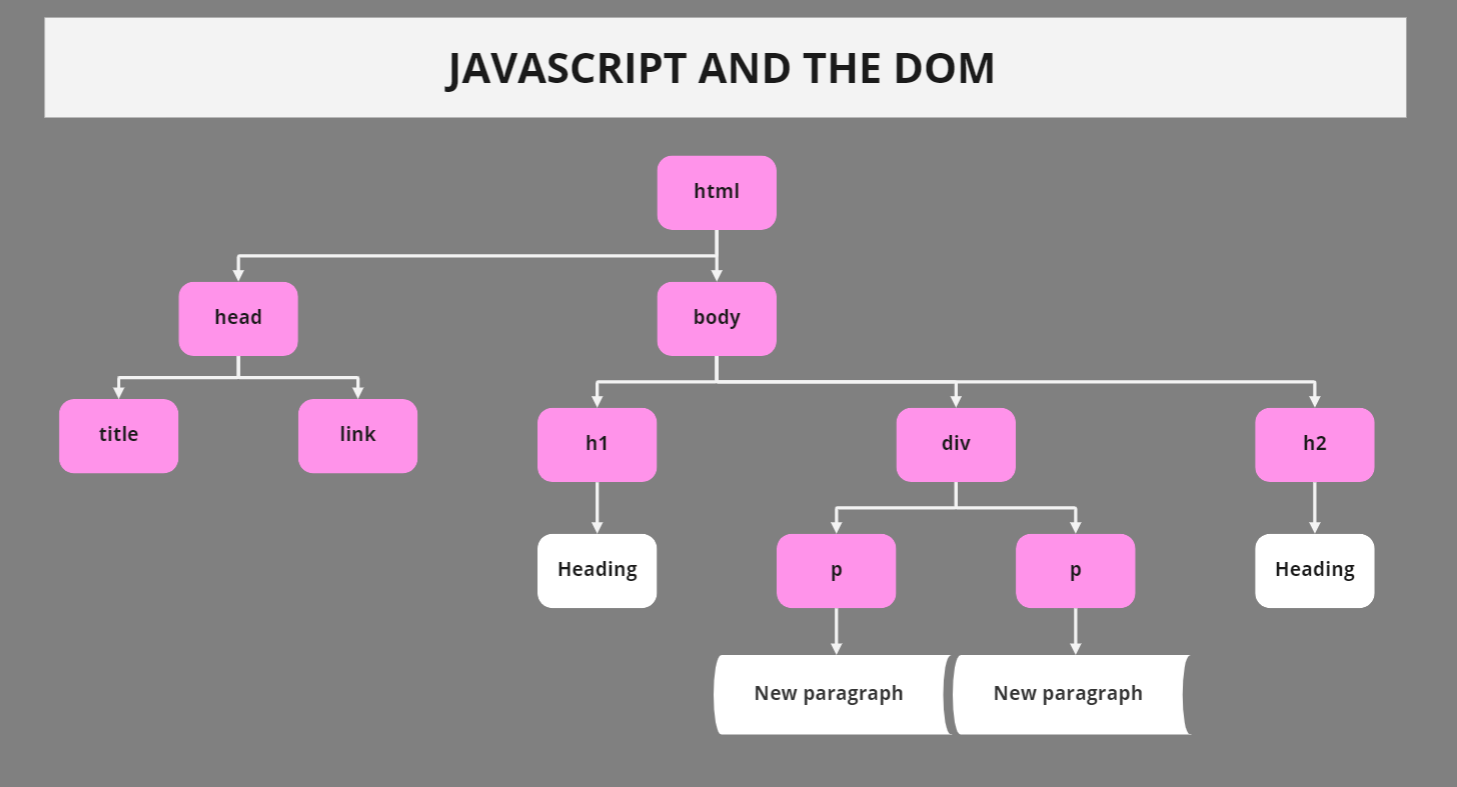
  • AutoFill. AutoFill is a great feature to make your job easier if you want to create a row or column with predictable data. You don’t have to type numbers from 1 to 1000 yourself – you can type the first two, select those cells, and then drag to expand the list. Excel will fill in the remaining data itself. And it doesn’t just apply to a list like this – for example, you tell Excel that you want only odd numbers by the numbers 1 and 3, and it will continue to do so. Excel can also do this with dates and months. And much more.
  • AutoSum. AutoSum is a feature that many people may not know about – and that’s a big mistake. Just select the cells you want to add, and then press Alt and = and the cells will add themselves.
  • PivotTable. Below the list of worksheets in the Workbook, a line is displayed here about the current worksheet.
  • PivotChart. This is a graphical representation of the PivotTable.
  • Microsoft Excel: Shortcuts You Need to Know

    The English alphabet has 26 letters. This is probably nothing new. However, 26 letters – and therefore 26 keys on the keyboard – can help us with a lot in Excel. Let’s go through a shortcut alphabet that will simplify your work in Excel countless times.

  • CTRL + A: Select All
  • CTRL + B: Convert font to bold
  • CTRL + C: Copy
  • CTRL + D: Fill down
  • CTRL + E: Flash fill
  • CTRL + F: Find
  • CTRL + G: Go to
  • CTRL + H: Find and replace
  • CTRL + I: Convert font to italic
  • CTRL + J: Input line break (in find and replace)
  • CTRL + K: Insert hyperlink
  • CTRL + L: Insert Excel table
  • CTRL + M: Not assigned
  • CTRL + N: New workbook
  • CTRL + O: Open
  • CTRL + P: Print
  • CTRL + Q: Quick analysis
  • CTRL + R: Fill right
  • CTRL + S: Save
  • CTRL + T: Insert Excel table
  • CTRL + U: Convert font to underline
  • CTRL + V: Paste (only when something is cut/copied)
  • CTRL + W: Close the current workbook
  • CTRL + X: Cut
  • CTRL + Y: Redo (repeat last action)
  • CTRL + Z: Undo
  • F4: Lock the selected cell in a formula
  • I’m sure you’ll agree with me when I say that using shortcuts can make working on the computer a lot easier. If you learn them, you’ll work much more efficiently – and that’s what we’re all about. If you want to learn more about keyboard shortcuts, then I definitely recommend our series of articles to learn more about keyboard shortcuts. I guarantee you’ll find at least a few you didn’t know about before!

    Microsoft Excel: Most Useful Functions and Examples

    The real power of Microsoft Excel comes from the functions you can use. From basic calculations to the most complex formulas, it offers features that can be used by both the beginner and the master of their craft.

    However, it is important to mention at the outset that not all of these functions are named the same in all language sets. This article is written for the English version of Microsoft Excel. If you want to switch your Excel to English as well, continue reading.

    Switching Microsoft Excel to Another Language

    If your Excel is in your native language, it is definitely easier to work with. Excel itself offers you which arguments you need to enter in the function. But this has its problems too – not all functions are named the same across languages. I’ll show you how to change your language – but don’t worry, this is not a permanent solution. You can switch between languages at will. I’ll show you that too.

    1. Open Excel, go to the File tab, choose Options, and then click on Language.
    2. Click on Add a Language. This opens up a window with all available languages. Select the one you want – personally, I prefer English (United Kingdom), but I bet there are lots of you who prefer another English variant.
    3. After selecting the language, click on Install. The installation process now begins. Note that the language will only be installed after you close Excel entirely, so be sure to save all your work before!
    4. Now, upon restarting Excel, your Excel will be in your desired language.
    5. To change Excel to another language that you have installed already, just navigate back to the Language window, select the language you want, and click on Move Up until it is back on top. Hit OK and you’re done.

    That wasn’t that hard now, was it? Of course, you don’t have to do it. If you go along with me and find that some function doesn’t trigger even though you’re writing it correctly, just check out this article – we have covered the most common Excel languages and the differences between languages, so you can compare English syntax with the syntax of the language of your choice.

    Basic Excel Formulas

    Before we dive into the more complex calculation formulas that Excel offers, it’s worth taking a look at the very basic ones. These formulas will give you a better understanding of how formulas work in Excel.

    At the beginning it is worth mentioning how the arguments of formulas (i.e. the cells to be worked with) can be written. We’ll show the first few functions with both notations to make it more understandable.

  • It is possible to work with cells in increments of only. In this case, we write them in the formula, separated by commas (or semicolons if your language uses decimal points).
  • You can work with cells as a whole range. Simply load the formula, then drag to select the cells you want to work with. It is also possible to type the cell that is on the top left, then type a colon, and use the cell that is on the bottom right of the range as the second argument.
  • To illustrate some of the basic functions, we will use the following table. The cast of Drive (2011) will serve as a model.

    Excel basic formulas - example

    SUM

    SUM is a basic formula in Excel. Using it, we get the sum of the selected cells or the selected range. It should be noted that SUM can only add numbers.

    Now let’s look at the table above.

  • If we wanted to add the ages of Carey, Christina and Tina, then we would write: =SUM(B3,B6,B10). The sum of these numbers is 125.
  • If we wanted to add up the ages of all the actors listed, then we would write: =SUM(B2:B10). The sum of these numbers is 480.
  • COUNT

    COUNT is another basic formula in Excel. Using it we can get the number of selected cells or selected range. It should be noted that COUNT can only add numbers.

    Now let’s look at the table above.

  • If we wanted to count the number of actresses (i.e., Carey, Christina, and Tina), we would have to calculate it on some numerical value – for example, age. We write: =COUNT(B3,B6,B10). The resulting number is 3.
  • If we wanted to calculate the number of all the named actors, we would have to calculate it on some numerical value – for example, age. We write: =COUNT(B2:B10). The resulting number is 9.
  • COUNTA

    COUNTA is very similar to the COUNT formula. However, with the COUNTA formula, we can get the number of cells, regardless of whether they contain a number or a character.

    Now let’s look at the table above.

  • If we wanted to count the number of actresses (i.e. Carey, Christina and Tina), we can do so by selecting those cells that have F in the Gender column. We write: =COUNTA(D3,D6,D10). The resulting count is 3.
  • If we want to count the number of all named actors, we can count this by selecting all the cells in the Gender column. We write: =COUNTA(D2:D10). The resulting count is 9.
  • COUNTBLANK

    COUNTBLANK works similarly to COUNTA, but with the difference that it returns the number of cells in which nothing is written. Again, this can be written either by selecting individual cells (the arguments in the formula will be separated by a comma or semicolon) or by selecting a range (by selecting the highest cell and the lowest cell and writing a colon between them). As we can see, the actress Tina has no height entered – so we can try the COUNTBLANK formula in the height column.

    Formula used: =COUNTBLANK(C2:C10) → result is 1.

    AVERAGE

    The AVERAGE formula returns the arithmetic average of the specified cells.

    Formula used: =AVERAGE(B2:B10) → result is 43.22.

    MEDIAN

    The MEDIAN formula returns us the numeric cell that is right in the artihmetical middle of specified range.

    Formula used: =MEDIAN(B2:B10) → result is 47.

    MODE

    The MODE formula returns us the most common number in the specified range.

    Formula used: =MODE(B2:B10) → result is 42.

    MIN

    The MIN formula returns the smallest number in the specified range.

    Formula used: =MIN(B2:B10) → result is 37.

    MAX

    The MAX formula returns the highest number in the specified range.

    Formula used: =MAX(B2:B10) → result is 75.

    LEN

    The formula LEN calculates the number of characters in a given cell. As an example, let’s take the name of the actress Christina.

    Furmula used: =LEN(A6) → result is 9.

    IF

    The IF formula checks whether the selected cell matches our request. The notation looks like this: =IF(cell and its condition, result if the condition is met, result if the condition is not met).

    Since this is a bit more complicated, let’s give a trivial example. Let’s say we want to find out if the actor Ryan is under 50 years old. If so, we want “YES, HE IS” to appear in the cell. If not, we want “NO, HE ISN’T” to appear in the cell. Then we try to apply the same situation to the actor Ron.

    Formula used on Ryan: =IF(B2>50,”YES, HE IS”,”NO, HE ISN’T”) → result is NO, HE ISN’T.

    Formula used on Ron: =IF(B8>50,”YES, HE IS”,”NO, HE ISN’T”) → result is YES, HE IS.

    Advanced Excel Formulas

    Now that we’ve covered the really basic Excel functions, we can move on to the more complex ones. All the formulas are described in detail so you can see what activities you can use them for. And if something isn’t clear or formula doesn’t happen to work for you, let me know in the comments!

    But for now, here we go.

    SUMIFS

    SUMIFS is one of the most useful functions in Excel, and for me personally, it is the most popular and most used function. Thanks to the SUMIFS formula, I can easily check which member of my team has reported how much work in a given month, for example – however, there are many uses.

    Simply put – SUMIFS will return the sum of the values that meet the given criteria. There is also a SUMIF function, however, it can only test one condition, whereas SUMIFS can test several. Therefore, I personally recommend using SUMIFS instead.

    What does the SUMIFS formula syntax look like? =SUMIFS(sum range, criteria 1 range, criteria 1, …)

    Let’s use a real example. Let’s look at the table with the actors in the movie Drive. Let’s say we want to add up the ages of all the men (the letter M in the Gender column).

    Formula used: =SUMIFS(B2:B10,D2:D10,”M”) → result is 354.

    So what’s going on here? In the first argument, we select the values in the Age column. In the second argument, we select the values in the Gender column. The third argument is a condition – if there is a letter M in the Gender column (we can tell that we want a letter by putting it in quotes), then the value in the Age column on the same row is counted. Sorry, Carey, Tina and Christina, we’re not counting you this time!

    COUNTIFS

    Remember the difference between COUNT and SUM? If you do, then you probably understand what the COUNTIFS function means. It’s basically the same as SUMIFS, except the values are not added, but counted.

    The important note is that the test criterion must be specified either as a cell reference or as text (i.e. in quotes).

    Now, let’s say we want to count how many women there are in the movie Drive.

    We will use this formula: =COUNTIFS(D2:D10,”F”) → result is 3.

    CONCATENATE

    CONCATENATE is a feature that is actively used by every professional working in Excel. CONCATENATE will join multiple cells together. This is fantastic when creating keywords for ads, for example, or when creating campaign URLs. How to do it?

    Again, let’s take an example. Let’s say we want to display a name along with an age, and the age is in parentheses. Let’s try this feature on Ryan.

    The formula will look like this: =CONCATENATE(A2,” (“,B2,”)”) → and result being: Ryan (42).

    But let’s say we want to make a complete sentence out of known data. For example, we want to mention the age, and at the same time break down the gender in words. Because we can combine patterns together. How do we do that?

    We will use this formula: =CONCATENATE(A2,” who is “,B2,” years old is “,IF(D2=”M”,”a man.”,”a woman.”)) → the result will be: Ryan who is 42 years old is a man.

    Take a closer look at the formula. It does make sense, doesn’t it? Excel isn’t really all that hard, and soon, you will be an expert yourself!

    LEFT/RIGHT

    LEFT/RIGHT is the exact opposite of CONCATENATE. The LEFT function extracts the specified number of characters from the cell on the left, while the RIGHT function extracts the specified number of characters from the cell on the right.

    So let’s try to create a three-character abbreviation of a first name. Let’s use Ron as an example. This formula =LEFT(A8,3) will, as a result, give us… yeah, Ron. Alright, let’s go for some other example – Christina. Formula =LEFT(A6,3) will give us Chr.

    Frequently Asked Questions about Microsoft Excel

  • What does Microsoft Excel do? Microsoft Excel is a spreadsheet editor that allows you to sort data and apply advanced mathematical formulas to it. You can also create professional graphs with it thanks to advanced visualisation techniques.
  • How much does Microsoft Excel cost? Excel is part of the Microsoft Office suite. A personal annual license costs $69.99, and a group license (for up to six people) costs $99.99. A one-person monthly license costs $6.99, and a monthly license for a group of up to six costs $9.99.
  • Are there free alternatives for Microsoft Excel? Yes. Google Spreadsheets, Microsoft Excel Online, Apple Numbers or LibreOffice Calc, for example.
  • What operating systems can I run Microsoft Excel on? You can run Microsoft Excel on Windows, macOS, Android, and iOS devices. Excel is not officially supported on Linux operating system.
  • How to learn Excel? To get started, it’s a good idea to learn the terminology, keyboard shortcuts and most useful functions.
  • World AIDS Day — 1st December, 2022

    Since 1988, the globe has observed World AIDS Day on December 1st. Persons all over the world get together to demonstrate their support for those who live with HIV and to memorialize individuals who have died as a result of AIDS-related illnesses.

    HIV/AIDS remains a major public health concern, affecting over 2 million people in the WHO European Region. AIDS has killed around 40.1 million people globally since the start of the epidemic, with an estimated 38.4 million people living with HIV, leaving it one of the most serious global public health concerns in recorded history.

    Why is World AIDS Day named so?

    As previously said, AIDS is the most serious health issue in human history. The virus that causes acquired immunodeficiency syndrome (AIDS) is the human immunodeficiency virus (HIV). In 1981, the first cases of AIDS were reported. Much progress has been made in addressing the AIDS epidemic since then, particularly in the last few decades. Despite the fact that there is no treatment, tremendous progress has been made. The amount of new infections has dropped. Nonetheless, World AIDS Day is as relevant now as it has ever been, reminding people and governments that HIV has not gone away. There is still a significant need to enhance funds for the AIDS fight, improve understanding of the effects of HIV on people’s lives, eliminate stigma and discrimination, and make life better for those living with HIV.

    When is World AIDS Day 2022?

    World AIDS Day is observed on December 1 and was founded by the World Health Organization (WHO) in 1988 to promote information sharing between local and national authorities, international organizations, and regular citizens. This day allows people all around the world to unite in the fight against the disease, offer support to those who are afflicted, and remember those who have passed away as a result of it. World AIDS Day also recognizes the accomplishments and global efforts to combat AIDS and calls for increased efforts to end the HIV epidemic.

    What is the theme of World AIDS Day 2022?

    Every World AIDS Day has a different theme, which this year, in 2022, is “Equalize”.
    WHO is urging world leaders and citizens to identify and address the inequalities that inhibit progress in the fight against AIDS, as well as to equalize access to essential HIV services, particularly for key populations such as men who have sex with men, transgender people, drug users, sex workers, prisoners, migrants, and their partners.

    “Equalize” is a rallying cry for us to take action. It is a call to action for all of us to focus on the proven practical actions required to eliminate disparities and aid in the eradication of AIDS. For instance, enhancing the quantity, quality, and suitability of testing, treatment, and prevention. Reforming policies and regulations to eliminate stigma towards HIV-positive persons. Furthermore, there is a need to ensure fair access to the finest scientific knowledge on HIV around the world – through technology and media.

    History of World AIDS Day

    World AIDS Day was the very first global health day, established in 1988. The idea for World AIDS Day arose from a media gap between the 1988 presidential elections in the United States and Christmas. Broadcast journalist James Bunn, who had recently joined the World Health Organization, anticipated that after a year of political campaigns, the public would be drawn to AIDS coverage on television. Bunn and his colleague Thomas Netter determined that December 1 was the best date for the observance because it followed US elections but precedes the Christmas vacation. Both James Bunn and Thomas Netter worked as public information officers for the Global AIDS Program. The concept was authorized by the organization’s head, Dr. Jonathan Mann.

    The topic of the first World AIDS Day was children and youth, in order to raise awareness among the target age group about the effect of AIDS on their lives and families. It was also revealed that AIDS did not only affect typically stigmatized populations such as drug users. The United Nations Programme on HIV/AIDS UNAIDS took over the commemoration of World AIDS Day in 1996, expanding the campaign to an annual education and prevention campaign. In 2004, the World AIDS Campaign was established as a non-profit organization in the Netherlands.

    What is HIV/AIDS?

    AIDS is an acronym for Acquired Immunodeficiency Syndrome. The human immunodeficiency virus evolved from viruses seen in chimps and monkeys. It all starts when someone gets HIV (Human Immunodeficiency Virus). This is a virus that affects and disables the immune systems of the body. HIV symptoms may not appear for years, and it is conceivable to be infected for a decade and feel perfectly healthy – transmission of the illness is still feasible throughout this time. If the virus destroys enough of a person’s defenses, AIDS develops and, finally, death occurs. The body becomes too weak to defend itself against any ailment.

    Since its inception in the early 1980s, HIV/AIDS has killed over 40.1 million people. The sickness is ruining families, communities, and economies in many places around the world. Having intercourse without a condom and exchanging infected syringes are the most prevalent ways to contract AIDS. The greatest way to avoid it is to continue your education.

    The importance of World AIDS Day

    Some criticized World AIDS Day in its early years for focusing on children and young people, but activists hoped to remove some of the stigma that surrounds the disease as predominantly affecting homosexual men, increasing acknowledgment of it as a family disease. HIV/AIDS is the main cause of death among women of reproductive age worldwide, with women accounting for 43% of the 1.8 million new HIV infections in 2016.

    Since 2012, the multi-year World AIDS Day theme has been targeting zero new HIV infections, zero AIDS-related deaths, and zero discrimination. In 2016, new infections were 44% higher among young women aged 15 to 24 than among men in the same age group. It shows that in the public perception, the high-profile AIDS-related deaths of male celebrities such as Freddie Mercury, Robert Mapplethorpe, and Rock Hudson have continued to eclipse facts of new infection rates among women. World AIDS Day aims to dispel these myths and safeguard everyone.

    According to research, stigma linked with sex work and LGBT communities is a significant element in unequal access to good treatment around the world. International AIDS support began to decline for the first time in 2015, while less than half of HIV/AIDS patients worldwide have access to anti-retroviral medication. It has never been more necessary to raise attention to treatment disparities in order to permanently end its spread.

    How to celebrate World AIDS Day?

    The disease and the issues related to its spread are being fought by a range of national and international non-profit organizations. Look up organizations online and decide if you want to support a global organization or perhaps one that focuses on sub-Saharan Africa, where adult HIV prevalence has reached 1 in 20 and 1.2 million people die of HIV/AIDS every year.

    You can also have your blood tested. And, more often than not, for free and anonymously. For a few days around December 1st, many of the country’s larger cities will have health kiosks where people may get tested anonymously and for free. You can also easily obtain information about AIDS/HIV from health personnel here.

    Around the world, activities are often placed on World AIDS Day. These efforts are led not only by government agencies, but also by communities. People are able to get a sense of the kaleidoscope of actions going place and be inspired by the determination and hope through images and videos shared by groups on social media and gathered by UNAIDS.

    Red ribbon

    The red ribbon has become the international emblem of HIV awareness and support.
    The Visual AIDS Artists Caucus introduced the sign in 1991. Individuals in this group wanted to remain anonymous, preserve the image copyright free, and establish a symbol to encourage HIV and AIDS awareness. The red ribbon was designed to be worn as a badge, but it is currently used in a variety of ways. Wearing a ribbon is an excellent way to promote awareness on and around World AIDS Day.

    The White House commemorates World AIDS Day with a 28-foot red ribbon draped across the North Portico. The ribbon represents the United States’ commitment to combating the global AIDS epidemic through the President’s Emergency Plan for AIDS Relief (PEPFAR).

    Global HIV & AIDS statistics — Short fact sheet

    • 38.4 million people globally were living with HIV in 2021
    • 84.2 million people have become infected with HIV since the start of the epidemic
    • In 2021, there were 38.4 million people living with HIV. 36.7 million of them are 15 years or older) and 1.7 million contains children (0–14 years)
    • Every week, around 4900 young women aged 15–24 years become infected with HIV
    • Young women are twice as likely to acquire HIV as young men
    • UNAIDS estimates that US$ 29 billion (in constant 2019 United States dollars) will be required for the AIDS response in low- and middle-income countries, including countries formerly considered to be upper-income countries, in 2025 to get on track to end AIDS as a global public health threat
    • The risk of acquiring HIV is:
      • 35 times higher among people who inject drugs than adults who do not inject drugs
      • 30 times higher for female sex workers than adult women
      • 28 times higher among gay men and other men who have sex with men than adult men
      • 14 times higher for transgender women than adult women

    World Computer Literacy Day — 2nd December, 2022

    Despite the fact that computers are now ubiquitous in our contemporary society, Computer Literacy Day serves as a reminder that everyone, even those who have difficulty embracing change, should have access to and understanding of computers.

    Some facets of society continue to have restricted or no access to digital technologies even today. Computer Literacy Day is both a day to celebrate computers and a day to spread computer literacy throughout society. There is a digital divide in the globe because individuals who are computer literate have an advantage over those who are not. We have the chance to learn, express our opinions, and save a ton of information thanks to the digital world. Today’s world uses computers on a regular basis. They are an essential component of the majority of occupations and enable us to produce fantastic and novel things. And as Bill Gates, the brain behind Microsoft, says:

    “I think it’s fair to say that personal computers have become the most powerful tool we’ve ever created. They are tools of communication, they are tools of creativity, and their user can shape them.”

    Why is World Computer Literacy Day named so?

    In 2001, the Indian Computer Society N.I.I.T. proclaimed the first World Computer Literacy Day.  This holiday was established to mark the 20th anniversary of the company’s inception. They also discovered through research that there are more male computer users worldwide than female users. And so they used this aswell as the occasion to promote computer literacy, especially among women and children in India. In underprivileged regions around the world, they want to “promote awareness and digital literacy.

    When is World Computer Literacy Day 2022?

    World Computer Literacy Day is observed worldwide each year on December 2. The Indian IT company NIIT, which established this significant day, celebrated its 20th anniversary in 2001 on this day. This year, the event takes place on Friday, December 2, 2022.

    History of World Computer Literacy Day

    The celebration of World Computer Literacy Day’s 20th anniversary was first started in India in 2001 by the Indian Society of NIIT. N.I.I.T, or National Institute of Information Technology, is a business that develops skills and talent. It was established in 1981 by Rajendra Singh Pawar and Vijay K. Thadani in Gurgaon, India. The business has grown to include more than 30 nations since its founding in 1981.

    After learning that men make up the majority of computer users worldwide, the business created World Computer Literacy Day. In order to empower more women and children with computer literacy skills in India and throughout the rest of the world, N.I.T. took up the cause.  The day has been commemorated annually since 2001.

    This day also represents people’s motivation to become interested in and knowledgeable about how to use computers for their own gain. In an effort to expand job options for engineering graduates, NIIT developed the “Edgeineers” initiative in 2005 as part of its ongoing efforts to strengthen the education sector.

    The first computer

    The Atanasoff-Berry computer, or ABC, was the first modern electronic digital computer. It was developed in 1942 at Iowa State College, now known as Iowa State University, by physics professor John Vincent Atanasoff and his doctoral student Clifford Berry. The ABC was an electrical computer with no CPU that used more than 300 vacuum tubes for digital computations such as binary mathematics and Boolean logic (it was not programmable). There were mechanical computer machines that could perform simple computations prior to ABC. Charles Babbage created the first mechanical computer, The Babbage Difference Engine, in 1822. ABC served as the foundation for the modern computer that we all use today.

    The importance of World Computer Literacy Day

    People highlight the relevance of computers in their daily lives on World Computer Literacy Day. We now live in a world where technology has entirely enslaved us. We rely on it to communicate, to find answers to our queries, to keep our businesses running smoothly, and to do a variety of other things.

    Computer literacy refers to a person’s ability to use computers effectively. In today’s society, computer literacy may include the ability to use search engines, social networking platforms, and basic office software such as Microsoft Office. It is critical for people of all ages to have a thorough understanding of these strategies. Understanding computer programming and how computers work is defined as computer literacy. It is regarded as one of a today’s must-have skill. The Day helps to bridge the digital divide that exists in the globe today.

    Computer Literacy Day is sometimes also known as Digital Literacy Day. Digital literacy is a set of abilities that enables people to produce, use, analyze, edit, and share digital information, products, and services. It entails utilizing modern information technologies to attain or maintain professional and personal objectives.

    The day also serves as a reminder that many people still lack access to computers, typically due to issues such as poverty and underdevelopment. World Computer Literacy Day reminds us to open our hands in charity to provide access to others.

    How to celebrate World Computer Literacy Day?

    It is quite simple to observe World Computer Literacy Day. Take the time to learn more about computer literacy and its various areas. Encourage and educate those around you on the need of computer literacy. You can try to teach at least one impoverished student for free if you are a professional instructor. It’s a great day to finally start learning a new digital talent that you’ve been meaning to learn for a long time. Photoshop or Microsoft Excel? No worries. There are numerous tutorials on YouTube that will teach you everything you need to know about these tools for free. Another way to celebrate this day can be your donation to a charity to help the cause of computer literacy. You don’t necessarily have to donate the computer itself, just try looking for the old keyboard or computer mouse in the box in the closet for example. This will allow more individuals to have access to computers, internet, and the whole digital world.

    Use the hashtag #WorldComputerLiteracyDay to share your thoughts and photos from the day on social media.

    Excel Functions in Other Languages

    Excel Functions in Other Languages (2022 Edition)

    Microsoft Excel is a great program – we can probably agree on that. However, if there is anything that drives me crazy about Excel, it is the different naming of functions in different languages. This can make it very difficult for multiple people to collaborate on a project, or for that matter when you want to use a new function but don’t know how to spell it in your language. But don’t despair, in this article we’ll show how different function naming differs across languages, and we’ll also show you how to change the language of Microsoft Excel.

    Switching Microsoft Excel to Another Language

    If your Excel is in your native language, it is definitely easier to work with. Excel itself offers you which arguments you need to enter in the function. But this has its problems too – not all functions are named the same across languages. I’ll show you how to change your language – but don’t worry, this is not a permanent solution. You can switch between languages at will. I’ll show you that too.

    1. Open Excel, go to the File tab, choose Options, and then click on Language.
    2. Click on Add a Language. This opens up a window with all available languages. Select the one you want – personally, I prefer English (United Kingdom), but I bet there are lots of you who prefer another English variant.
    3. After selecting the language, click on Install. The installation process now begins. Note that the language will only be installed after you close Excel entirely, so be sure to save all your work before!
    4. Now, upon restarting Excel, your Excel will be in your desired language.
    5. To change Excel to another language that you have installed already, just navigate back to the Language window, select the language you want, and click on Move Up until it is back on top. Hit OK and you’re done.

    What are the names of Excel functions in other languages?

    The names of functions in Excel vary depending on what language you have Excel in. In this article, we’ll look at the 18 language versions. The rule of thumb is that if your language isn’t on this list, then your language uses English syntax. But I could be wrong – in that case, I’d be very happy if you’d drop me a line in the comments, and I’ll correct the error and add any additional languages.

    And one more important reminder. In English, where the decimal point is used, function arguments are separated by commas. However, if your language uses a decimal comma, then function arguments are separated by semicolons.

    Excel Functions: English to Catalan

    The left column shows the English naming of the functions in Excel. The right column shows the Catalan naming of functions in Excel. Good luck with your work!

    ABS ABS
    ADDRESS ADREÇA
    AGGREGATE VALOR.AFEGIT
    AND I
    ARABIC ARAB
    AVERAGE MITJANA
    AVERAGEIF MITJANA.SI
    AVERAGEIFS MITJANA.SI.CONJUNT
    BAHTTEXT TEXTBAHT
    BIN2DEC BIN.A.DEC
    BIN2HEX BIN.A.HEX
    CEILING MULTIPLE.SUPERIOR
    CEILING.MATH MULTIPLE.SUPERIOR.MAT
    CELL CEL
    CHAR CAR
    CHOOSE TRIA
    CODE CODI
    COLUMN COLUMNA
    COLUMNS COLUMNES
    CONCAT CONCAT
    CONCATENATE CONCATENA
    CONVERT CONVERT
    COUNT COMPT
    COUNTA COMPTAA
    COUNTBLANK COMPTA.BLANC
    COUNTIF COMPTA.SI
    COUNTIFS COMPTE.SI.CONJUNT
    DATE DATA
    DATEVALUE VALDATA
    DAY DIA
    DAYS DIES
    DEC2BIN DEC.A.BIN
    DEC2HEX DEC.A.HEX
    EOMONTH FIN.MES
    EVEN PARELL
    EXACT IGUAL
    FACT FACT
    FILTERXML FILTREXML
    FIND BUSCA
    FLOOR MULTIPLE.INFERIOR
    FLOOR.MATH MULTIPLE.INFERIOR.MAT
    FORMULATEXT TEXTFORMULA
    FREQUENCY FREQUENCIA
    HEX2BIN HEX.A.BIN
    HEX2DEC HEX.A.DEC
    HLOOKUP CONSULH
    HYPERLINK ENLLAÇ
    IF SI
    IFERROR SIERROR
    IFS SI.CONJUNT
    INDEX INDEX
    INDIRECT INDIRECTE
    INFO INFO
    INT ENTER
    ISBLANK ESBLANC
    ISERROR ESERROR
    ISEVEN ES.PAR
    ISLOGICAL ESLOGIC
    ISNA ESND
    ISNONTEXT ESNOTEXT
    ISNUMBER ESNUM
    ISODD ES.IMPAR
    ISOWEEKNUM NUM.DE.SEMANA.ISO
    ISTEXT ESTEXT
    LARGE MAJOR
    LEFT ESQUERRA
    LEN LLARG
    LOOKUP CONSULTA
    LOWER MINUSC
    MATCH COINCIDEIX
    MAX MAX
    MAXIFS MAX.SI.CONJUNT
    MEDIAN MEDIANA
    MID MIG
    MIN MIN
    MINIFS MIN.SI.CONJUNT
    MOD RESIDU
    MODE MODA
    MONTH MES
    MROUND REDOND.MULT
    N N
    NA ND
    NETWORKDAYS DIAS.LAB
    NETWORKDAYS.INTL DIES.LAB.INTL
    NOT NO
    NOW ACTUAL
    ODD SENAR
    OFFSET DESPLAÇAMENT
    OR O
    PERCENTILE PERCENTIL
    PERCENTILE.EXC PERCENTIL.EXC
    PERCENTILE.INC PERCENTIL.INC
    PERCENTRANK RANG.PERCENTIL
    PERCENTRANK.EXC RANG.PERCENTIL.EXC
    PERCENTRANK.INC RANG.PERCENTIL.INC
    PI PI
    PMT PAGAMENT
    PROPER NOMPROPI
    QUARTILE QUARTI
    QUARTILE.EXC QUARTI.EXC
    QUARTILE.INC QUARTI.INC
    RAND ALEAT
    RANDBETWEEN ALEATORIO.ENTRE
    RANK JERARQUIA
    RANK.AVG JERARQUIA.MITJANA
    RANK.EQ JERARQUIA.EQV
    REPLACE REEMPLAÇA
    REPT REPETEIX
    RIGHT DRETA
    ROMAN NUMERO.ROMA
    ROUND ARRODONEIX
    ROUNDDOWN ARRODONEIX.MENYS
    ROUNDUP ARRODONEIX.MES
    ROW FILA
    ROWS FILES
    SEARCH CERCAR
    SMALL MENOR
    STDEV DESVEST
    STDEV.P DESVEST.P
    STDEV.S DESVEST.M
    SUBSTITUTE SUBSTITUEIX
    SUBTOTAL SUBTOTAL
    SUM SUMA
    SUMIF SUMA.SI
    SUMIFS SUMA.SI.CONJUNT
    SUMPRODUCT SUMAPRODUCTE
    SWITCH CANVIA
    TEXT TEXT
    TEXTJOIN UNEIXCADENES
    TODAY AVUI
    TRANSPOSE TRANSPOSA
    TRIM RETALLA
    UNICHAR UNICAR
    UNICODE UNICODE
    UPPER MAJUSC
    VLOOKUP CONSULV
    WEEKDAY DIASETM
    WEEKNUM NUM.DE.SEMANA
    YEAR ANY
    FALSE FALS
    TRUE CERT

    Excel Functions: English to Czech

    The left column shows the English naming of the functions in Excel. The right column displays the Czech naming of functions in Excel. Good luck with your work!

    ABS ABS
    ADDRESS ODKAZ
    AGGREGATE AGGREGATE
    AND A
    ARABIC ARABIC
    AVERAGE PRŮMĚR
    AVERAGEIF AVERAGEIF
    AVERAGEIFS AVERAGEIFS
    BAHTTEXT BAHTTEXT
    BIN2DEC BIN2DEC
    BIN2HEX BIN2HEX
    CEILING ZAOKR.NAHORU
    CEILING.MATH CEILING.MATH
    CELL POLÍČKO
    CHAR ZNAK
    CHOOSE ZVOLIT
    CODE KÓD
    COLUMN SLOUPEC
    COLUMNS SLOUPCE
    CONCAT CONCAT
    CONCATENATE CONCATENATE
    CONVERT CONVERT
    COUNT POČET
    COUNTA POČET2
    COUNTBLANK COUNTBLANK
    COUNTIF COUNTIF
    COUNTIFS COUNTIFS
    DATE DATUM
    DATEVALUE DATUMHODN
    DAY DEN
    DAYS DAYS
    DEC2BIN DEC2BIN
    DEC2HEX DEC2HEX
    EOMONTH EOMONTH
    EVEN ZAOKROUHLIT.NA.SUDÉ
    EXACT STEJNÉ
    FACT FAKTORIÁL
    FILTERXML FILTERXML
    FIND NAJÍT
    FLOOR ZAOKR.DOLŮ
    FLOOR.MATH FLOOR.MATH
    FORMULATEXT FORMULATEXT
    FREQUENCY ČETNOSTI
    HEX2BIN HEX2BIN
    HEX2DEC HEX2DEC
    HLOOKUP VVYHLEDAT
    HYPERLINK HYPERTEXTOVÝ.ODKAZ
    IF KDYŽ
    IFERROR IFERROR
    IFS IFS
    INDEX INDEX
    INDIRECT NEPŘÍMÝ.ODKAZ
    INFO O.PROSTŘEDÍ
    INT CELÁ.ČÁST
    ISBLANK JE.PRÁZDNÉ
    ISERROR JE.CHYBHODN
    ISEVEN ISEVEN
    ISLOGICAL JE.LOGHODN
    ISNA JE.NEDEF
    ISNONTEXT JE.NETEXT
    ISNUMBER JE.ČISLO
    ISODD ISODD
    ISOWEEKNUM ISOWEEKNUM
    ISTEXT JE.TEXT
    LARGE LARGE
    LEFT ZLEVA
    LEN DÉLKA
    LOOKUP VYHLEDAT
    LOWER MALÁ
    MATCH POZVYHLEDAT
    MAX MAX
    MAXIFS MAXIFS
    MEDIAN MEDIAN
    MID ČÁST
    MIN MIN
    MINIFS MINIFS
    MOD MOD
    MODE MODE
    MONTH MĚSÍC
    MROUND MROUND
    N N
    NA NEDEF
    NETWORKDAYS NETWORKDAYS
    NETWORKDAYS.INTL NETWORKDAYS.INTL
    NOT NE
    NOW NYNÍ
    ODD ZAOKROUHLIT.NA.LICHÉ
    OFFSET POSUN
    OR NEBO
    PERCENTILE PERCENTIL
    PERCENTILE.EXC PERCENTIL.EXC
    PERCENTILE.INC PERCENTIL.INC
    PERCENTRANK PERCENTRANK
    PERCENTRANK.EXC PERCENTRANK.EXC
    PERCENTRANK.INC PERCENTRANK.INC
    PI PI
    PMT PLATBA
    PROPER VELKÁ2
    QUARTILE QUARTIL
    QUARTILE.EXC QUARTIL.EXC
    QUARTILE.INC QUARTIL.INC
    RAND NÁHČÍSLO
    RANDBETWEEN RANDBETWEEN
    RANK RANK
    RANK.AVG RANK.AVG
    RANK.EQ RANK.EQ
    REPLACE NAHRADIT
    REPT OPAKOVAT
    RIGHT ZPRAVA
    ROMAN ROMAN
    ROUND ZAOKROUHLIT
    ROUNDDOWN ROUNDDOWN
    ROUNDUP ROUNDUP
    ROW ŘÁDEK
    ROWS ŘÁDKY
    SEARCH HLEDAT
    SMALL SMALL
    STDEV SMODCH.VÝBĚR
    STDEV.P SMODCH.P
    STDEV.S SMODCH.VÝBĚR.S
    SUBSTITUTE DOSADIT
    SUBTOTAL SUBTOTAL
    SUM SUMA
    SUMIF SUMIF
    SUMIFS SUMIFS
    SUMPRODUCT SOUČIN.SKALÁRNÍ
    SWITCH SWITCH
    TEXT HODNOTA.NA.TEXT
    TEXTJOIN TEXTJOIN
    TODAY DNES
    TRANSPOSE TRANSPOZICE
    TRIM PROČISTIT
    UNICHAR UNICHAR
    UNICODE UNICODE
    UPPER VELKÁ
    VLOOKUP SVYHLEDAT
    WEEKDAY DENTÝDNE
    WEEKNUM WEEKNUM
    YEAR ROK
    FALSE NEPRAVDA
    TRUE PRAVDA

    Excel Functions: English to Danish

    The left column shows the English naming of the functions in Excel. The right column shows the Danish naming of functions in Excel. Good luck with your work!

    ABS ABS
    ADDRESS ADRESSE
    AGGREGATE SAMLING
    AND OG
    ARABIC ARABISK
    AVERAGE MIDDEL
    AVERAGEIF MIDDEL.HVIS
    AVERAGEIFS MIDDEL.HVISER
    BAHTTEXT BAHTTEKST
    BIN2DEC BIN.TIL.DEC
    BIN2HEX BIN.TIL.HEX
    CEILING AFRUND.LOFT
    CEILING.MATH LOFT.MAT
    CELL CELLE
    CHAR TEGN
    CHOOSE VÆLG
    CODE KODE
    COLUMN KOLONNE
    COLUMNS KOLONNER
    CONCAT CONCAT
    CONCATENATE SAMMENKÆDNING
    CONVERT KONVERTER
    COUNT TÆL
    COUNTA TÆLV
    COUNTBLANK ANTAL.BLANKE
    COUNTIF TÆL.HVIS
    COUNTIFS TÆL.HVISER
    DATE DATO
    DATEVALUE DATOVÆRDI
    DAY DAG
    DAYS DAGE
    DEC2BIN DEC.TIL.BIN
    DEC2HEX DEC.TIL.HEX
    EOMONTH SLUT.PÅ.MÅNED
    EVEN LIGE
    EXACT EKSAKT
    FACT FAKULTET
    FILTERXML FILTRERXML
    FIND FIND
    FLOOR AFRUND.GULV
    FLOOR.MATH AFRUND.BUND.MAT
    FORMULATEXT FORMELTEKST
    FREQUENCY FREKVENS
    HEX2BIN HEX.TIL.BIN
    HEX2DEC HEX.TIL.DEC
    HLOOKUP VOPSLAG
    HYPERLINK HYPERLINK
    IF HVIS
    IFERROR HVIS.FEJL
    IFS HVISER
    INDEX INDEKS
    INDIRECT INDIREKTE
    INFO INFO
    INT HELTAL
    ISBLANK ER.TOM
    ISERROR ER.FEJL
    ISEVEN ER.LIGE
    ISLOGICAL ER.LOGISK
    ISNA ER.IKKE.TILGÆNGELIG
    ISNONTEXT ER.IKKE.TEKST
    ISNUMBER ER.TAL
    ISODD ER.ULIGE
    ISOWEEKNUM ISOUGE.NR
    ISTEXT ER.TEKST
    LARGE STØRSTE
    LEFT VENSTRE
    LEN LÆNGDE
    LOOKUP SLÅ.OP
    LOWER SMÅ.BOGSTAVER
    MATCH SAMMENLIGN
    MAX MAKS
    MAXIFS MAKSHVISER
    MEDIAN MEDIAN
    MID MIDT
    MIN MIN
    MINIFS MINHVISER
    MOD REST
    MODE HYPPIGST
    MONTH MÅNED
    MROUND MAFRUND
    N TAL
    NA IKKE.TILGÆNGELIG
    NETWORKDAYS ANTAL.ARBEJDSDAGE
    NETWORKDAYS.INTL ANTAL.ARBEJDSDAGE.INTL
    NOT IKKE
    NOW NU
    ODD ULIGE
    OFFSET FORSKYDNING
    OR ELLER
    PERCENTILE FRAKTIL
    PERCENTILE.EXC FRAKTIL.UDELAD
    PERCENTILE.INC FRAKTIL.MEDTAG
    PERCENTRANK PROCENTPLADS
    PERCENTRANK.EXC PROCENTPLADS.UDELAD
    PERCENTRANK.INC PROCENTPLADS.MEDTAG
    PI PI
    PMT YDELSE
    PROPER STORT.FORBOGSTAV
    QUARTILE KVARTIL
    QUARTILE.EXC KVARTIL.UDELAD
    QUARTILE.INC KVARTIL.MEDTAG
    RAND SLUMP
    RANDBETWEEN SLUMPMELLEM
    RANK PLADS
    RANK.AVG PLADS.GNSN
    RANK.EQ PLADS.LIGE
    REPLACE ERSTAT
    REPT GENTAG
    RIGHT HØJRE
    ROMAN ROMERTAL
    ROUND AFRUND
    ROUNDDOWN RUND.NED
    ROUNDUP RUND.OP
    ROW RÆKKE
    ROWS RÆKKER
    SEARCH SØG
    SMALL MINDSTE
    STDEV STDAFV
    STDEV.P STDAFV.P
    STDEV.S STDAFV.S
    SUBSTITUTE UDSKIFT
    SUBTOTAL SUBTOTAL
    SUM SUM
    SUMIF SUM.HVIS
    SUMIFS SUM.HVISER
    SUMPRODUCT SUMPRODUKT
    SWITCH SKIFT
    TEXT TEKST
    TEXTJOIN TEKST.KOMBINER
    TODAY IDAG
    TRANSPOSE TRANSPONER
    TRIM FJERN.OVERFLØDIGE.BLANKE
    UNICHAR UNICHAR
    UNICODE UNICODE
    UPPER STORE.BOGSTAVER
    VLOOKUP LOPSLAG
    WEEKDAY UGEDAG
    WEEKNUM UGE.NR
    YEAR ÅR
    FALSE FALSK
    TRUE SAND

    Excel Functions: English to Dutch

    The left column shows the English naming of the functions in Excel. The right column shows the Dutch naming of functions in Excel. Good luck with your work!

    ABS ABS
    ADDRESS ADRES
    AGGREGATE AGGREGAAT
    AND EN
    ARABIC ARABISCH
    AVERAGE GEMIDDELDE
    AVERAGEIF GEMIDDELDE.ALS
    AVERAGEIFS GEMIDDELDEN.ALS
    BAHTTEXT BAHT.TEKST
    BIN2DEC BIN.N.DEC
    BIN2HEX BIN.N.HEX
    CEILING AFRONDEN.BOVEN
    CEILING.MATH AFRONDEN.BOVEN.WISK
    CELL CEL
    CHAR TEKEN
    CHOOSE KIEZEN
    CODE CODE
    COLUMN KOLOM
    COLUMNS KOLOMMEN
    CONCAT TEKST.SAMENV
    CONCATENATE TEKST.SAMENVOEGEN
    CONVERT CONVERTEREN
    COUNT AANTAL
    COUNTA AANTALARG
    COUNTBLANK AANTAL.LEGE.CELLEN
    COUNTIF AANTAL.ALS
    COUNTIFS AANTALLEN.ALS
    DATE DATUM
    DATEVALUE DATUMWAARDE
    DAY DAG
    DAYS DAGEN
    DEC2BIN DEC.N.BIN
    DEC2HEX DEC.N.HEX
    EOMONTH LAATSTE.DAG
    EVEN EVEN
    EXACT GELIJK
    FACT FACULTEIT
    FILTERXML XML.FILTEREN
    FIND VIND.ALLES
    FLOOR AFRONDEN.BENEDEN
    FLOOR.MATH AFRONDEN.BENEDEN.WISK
    FORMULATEXT FORMULETEKST
    FREQUENCY INTERVAL
    HEX2BIN HEX.N.BIN
    HEX2DEC HEX.N.DEC
    HLOOKUP HORIZ.ZOEKEN
    HYPERLINK HYPERLINK
    IF ALS
    IFERROR ALS.FOUT
    IFS ALS.VOORWAARDEN
    INDEX INDEX
    INDIRECT INDIRECT
    INFO INFO
    INT INTEGER
    ISBLANK ISLEEG
    ISERROR ISFOUT
    ISEVEN IS.EVEN
    ISLOGICAL ISLOGISCH
    ISNA ISNB
    ISNONTEXT ISGEENTEKST
    ISNUMBER ISGETAL
    ISODD IS.ONEVEN
    ISOWEEKNUM ISO.WEEKNUMMER
    ISTEXT ISTEKST
    LARGE GROOTSTE
    LEFT LINKS
    LEN LENGTE
    LOOKUP ZOEKEN
    LOWER KLEINE.LETTERS
    MATCH VERGELIJKEN
    MAX MAX
    MAXIFS MAX.ALS.VOORWAARDEN
    MEDIAN MEDIAAN
    MID DEEL
    MIN MIN
    MINIFS MIN.ALS.VOORWAARDEN
    MOD REST
    MODE MODUS
    MONTH MAAND
    MROUND AFRONDEN.N.VEELVOUD
    N N
    NA NB
    NETWORKDAYS NETTO.WERKDAGEN
    NETWORKDAYS.INTL NETWERKDAGEN.INTL
    NOT NIET
    NOW NU
    ODD ONEVEN
    OFFSET VERSCHUIVING
    OR OF
    PERCENTILE PERCENTIEL
    PERCENTILE.EXC PERCENTIEL.EXC
    PERCENTILE.INC PERCENTIEL.INC
    PERCENTRANK PERCENT.RANG
    PERCENTRANK.EXC PROCENTRANG.EXC
    PERCENTRANK.INC PROCENTRANG.INC
    PI PI
    PMT BET
    PROPER BEGINLETTERS
    QUARTILE KWARTIEL
    QUARTILE.EXC KWARTIEL.EXC
    QUARTILE.INC KWARTIEL.INC
    RAND ASELECT
    RANDBETWEEN ASELECTTUSSEN
    RANK RANG
    RANK.AVG RANG.GEMIDDELDE
    RANK.EQ RANG.GELIJK
    REPLACE VERVANGEN
    REPT HERHALING
    RIGHT RECHTS
    ROMAN ROMEINS
    ROUND AFRONDEN
    ROUNDDOWN AFRONDEN.NAAR.BENEDEN
    ROUNDUP AFRONDEN.NAAR.BOVEN
    ROW RIJ
    ROWS RIJEN
    SEARCH VIND.SPEC
    SMALL KLEINSTE
    STDEV STDEV
    STDEV.P STDEV.P
    STDEV.S STDEV.S
    SUBSTITUTE SUBSTITUEREN
    SUBTOTAL SUBTOTAAL
    SUM SOM
    SUMIF SOM.ALS
    SUMIFS SOMMEN.ALS
    SUMPRODUCT SOMPRODUCT
    SWITCH SCHAKELEN
    TEXT TEKST
    TEXTJOIN TEKST.COMBINEREN
    TODAY VANDAAG
    TRANSPOSE TRANSPONEREN
    TRIM SPATIES.WISSEN
    UNICHAR UNITEKEN
    UNICODE UNICODE
    UPPER HOOFDLETTERS
    VLOOKUP VERT.ZOEKEN
    WEEKDAY WEEKDAG
    WEEKNUM WEEKNUMMER
    YEAR JAAR
    FALSE ONWAAR
    TRUE WAAR

    Excel Functions: English to Finnish

    ABS ITSEISARVO
    ADDRESS OSOITE
    AGGREGATE KOOSTE
    AND JA
    ARABIC ARABIA
    AVERAGE KESKIARVO
    AVERAGEIF KESKIARVO.JOS
    AVERAGEIFS KESKIARVO.JOS.JOUKKO
    BAHTTEXT BAHTTEKSTI
    BIN2DEC BINDES
    BIN2HEX BINHEKSA
    CEILING PYÖRISTÄ.KERR.YLÖS
    CEILING.MATH PYÖRISTÄ.KERR.YLÖS.MATEMAATTINEN
    CELL SOLU
    CHAR MERKKI
    CHOOSE VALITSE.INDEKSI
    CODE KOODI
    COLUMN SARAKE
    COLUMNS SARAKKEET
    CONCAT YHDISTÄ
    CONCATENATE KETJUTA
    CONVERT MUUNNA
    COUNT LASKE
    COUNTA LASKE.A
    COUNTBLANK LASKE.TYHJÄT
    COUNTIF LASKE.JOS
    COUNTIFS LASKE.JOS.JOUKKO
    DATE PÄIVÄYS
    DATEVALUE PÄIVÄYSARVO
    DAY PÄIVÄ
    DAYS PÄIVÄT
    DEC2BIN DESBIN
    DEC2HEX DESHEKSA
    EOMONTH KUUKAUSI.LOPPU
    EVEN PARILLINEN
    EXACT VERTAA
    FACT KERTOMA
    FILTERXML SUODATA.XML
    FIND ETSI
    FLOOR PYÖRISTÄ.KERR.ALAS
    FLOOR.MATH PYÖRISTÄ.KERR.ALAS.MATEMAATTINEN
    FORMULATEXT KAAVA.TEKSTI
    FREQUENCY TAAJUUS
    HEX2BIN HEKSABIN
    HEX2DEC HEKSADES
    HLOOKUP VHAKU
    HYPERLINK HYPERLINKKI
    IF JOS
    IFERROR JOSVIRHE
    IFS JOSS
    INDEX INDEKSI
    INDIRECT EPÄSUORA
    INFO KUVAUS
    INT KOKONAISLUKU
    ISBLANK ONTYHJÄ
    ISERROR ONVIRHE
    ISEVEN ONPARILLINEN
    ISLOGICAL ONTOTUUS
    ISNA ONPUUTTUU
    ISNONTEXT ONEI_TEKSTI
    ISNUMBER ONLUKU
    ISODD ONPARITON
    ISOWEEKNUM VIIKKO.ISO.NRO
    ISTEXT ONTEKSTI
    LARGE SUURI
    LEFT VASEN
    LEN PITUUS
    LOOKUP HAKU
    LOWER PIENET
    MATCH VASTINE
    MAX MAKS
    MAXIFS MAKS.JOS
    MEDIAN MEDIAANI
    MID POIMI.TEKSTI
    MIN MIN
    MINIFS MIN.JOS
    MOD JAKOJ
    MODE MOODI
    MONTH KUUKAUSI
    MROUND PYÖRISTÄ.KERR
    N N
    NA PUUTTUU
    NETWORKDAYS TYÖPÄIVÄT
    NETWORKDAYS.INTL TYÖPÄIVÄT.KANSVÄL
    NOT EI
    NOW NYT
    ODD PARITON
    OFFSET SIIRTYMÄ
    OR TAI
    PERCENTILE PROSENTTIPISTE
    PERCENTILE.EXC PROSENTTIPISTE.ULK
    PERCENTILE.INC PROSENTTIPISTE.SIS
    PERCENTRANK PROSENTTIJÄRJESTYS
    PERCENTRANK.EXC PROSENTTIJÄRJESTYS.ULK
    PERCENTRANK.INC PROSENTTIJÄRJESTYS.SIS
    PI PII
    PMT MAKSU
    PROPER ERISNIMI
    QUARTILE NELJÄNNES
    QUARTILE.EXC NELJÄNNES.ULK
    QUARTILE.INC NELJÄNNES.SIS
    RAND SATUNNAISLUKU
    RANDBETWEEN SATUNNAISLUKU.VÄLILTÄ
    RANK ARVON.MUKAAN
    RANK.AVG ARVON.MUKAAN.KESKIARVO
    RANK.EQ ARVON.MUKAAN.TASAN
    REPLACE KORVAA
    REPT TOISTA
    RIGHT OIKEA
    ROMAN ROMAN
    ROUND PYÖRISTÄ
    ROUNDDOWN PYÖRISTÄ.DES.ALAS
    ROUNDUP PYÖRISTÄ.DES.YLÖS
    ROW RIVI
    ROWS RIVIT
    SEARCH KÄY.LÄPI
    SMALL PIENI
    STDEV KESKIHAJONTA
    STDEV.P KESKIHAJONTA.P
    STDEV.S KESKIHAJONTA.S
    SUBSTITUTE VAIHDA
    SUBTOTAL VÄLISUMMA
    SUM SUMMA
    SUMIF SUMMA.JOS
    SUMIFS SUMMA.JOS.JOUKKO
    SUMPRODUCT TULOJEN.SUMMA
    SWITCH MUUTA
    TEXT TEKSTI
    TEXTJOIN TEKSTI.YHDISTÄ
    TODAY TÄMÄ.PÄIVÄ
    TRANSPOSE TRANSPONOI
    TRIM POISTA.VÄLIT
    UNICHAR UNICODEMERKKI
    UNICODE UNICODE
    UPPER ISOT
    VLOOKUP PHAKU
    WEEKDAY VIIKONPÄIVÄ
    WEEKNUM VIIKKO.NRO
    YEAR VUOSI
    FALSE EPÄTOSI
    TRUE TOSI

    Excel Functions: English to French

    The left column shows the English naming of the functions in Excel. The right column shows the French naming of functions in Excel. Good luck with your work!

    ABS ABS
    ADDRESS ADRESSE
    AGGREGATE AGREGAT
    AND ET
    ARABIC CHIFFRE.ARABE
    AVERAGE MOYENNE
    AVERAGEIF MOYENNE.SI
    AVERAGEIFS MOYENNE.SI.ENS
    BAHTTEXT BAHTTEXT
    BIN2DEC BINDEC
    BIN2HEX BINHEX
    CEILING PLAFOND
    CEILING.MATH PLAFOND.MATH
    CELL CELLULE
    CHAR CAR
    CHOOSE CHOISIR
    CODE CODE
    COLUMN COLONNE
    COLUMNS COLONNES
    CONCAT CONCAT
    CONCATENATE CONCATENER
    CONVERT CONVERT
    COUNT NB
    COUNTA NBVAL
    COUNTBLANK NB.VIDE
    COUNTIF NB.SI
    COUNTIFS NB.SI.ENS
    DATE DATE
    DATEVALUE DATEVAL
    DAY JOUR
    DAYS JOURS
    DEC2BIN DECBIN
    DEC2HEX DECHEX
    EOMONTH FIN.MOIS
    EVEN PAIR
    EXACT EXACT
    FACT FACT
    FILTERXML FILTRE.XML
    FIND TROUVE
    FLOOR PLANCHER
    FLOOR.MATH PLANCHER.MATH
    FORMULATEXT FORMULETEXTE
    FREQUENCY FREQUENCE
    HEX2BIN HEXBIN
    HEX2DEC HEXDEC
    HLOOKUP RECHERCHEH
    HYPERLINK LIEN_HYPERTEXTE
    IF SI
    IFERROR SIERREUR
    IFS SI.CONDITIONS
    INDEX INDEX
    INDIRECT INDIRECT
    INFO INFORMATIONS
    INT ENT
    ISBLANK ESTVIDE
    ISERROR ESTERREUR
    ISEVEN EST.PAIR
    ISLOGICAL ESTLOGIQUE
    ISNA ESTNA
    ISNONTEXT ESTNONTEXTE
    ISNUMBER ESTNUM
    ISODD EST.IMPAIR
    ISOWEEKNUM NO.SEMAINE.ISO
    ISTEXT ESTTEXTE
    LARGE GRANDE.VALEUR
    LEFT GAUCHE
    LEN NBCAR
    LOOKUP RECHERCHE
    LOWER MINUSCULE
    MATCH EQUIV
    MAX MAX
    MAXIFS MAX.SI
    MEDIAN MEDIANE
    MID STXT
    MIN MIN
    MINIFS MIN.SI
    MOD MOD
    MODE MODE
    MONTH MOIS
    MROUND ARRONDI.AU.MULTIPLE
    N N
    NA NA
    NETWORKDAYS NB.JOURS.OUVRES
    NETWORKDAYS.INTL NB.JOURS.OUVRES.INTL
    NOT NON
    NOW MAINTENANT
    ODD IMPAIR
    OFFSET DECALER
    OR OU
    PERCENTILE CENTILE
    PERCENTILE.EXC CENTILE.EXCLURE
    PERCENTILE.INC CENTILE.INCLURE
    PERCENTRANK RANG.POURCENTAGE
    PERCENTRANK.EXC RANG.POURCENTAGE.EXCLURE
    PERCENTRANK.INC RANG.POURCENTAGE.INCLURE
    PI PI
    PMT VPM
    PROPER NOMPROPRE
    QUARTILE QUARTILE
    QUARTILE.EXC QUARTILE.EXCLURE
    QUARTILE.INC QUARTILE.INCLURE
    RAND ALEA
    RANDBETWEEN ALEA.ENTRE.BORNES
    RANK RANG
    RANK.AVG MOYENNE.RANG
    RANK.EQ EQUATION.RANG
    REPLACE REMPLACER
    REPT REPT
    RIGHT DROITE
    ROMAN ROMAIN
    ROUND ARRONDI
    ROUNDDOWN ARRONDI.INF
    ROUNDUP ARRONDI.SUP
    ROW LIGNE
    ROWS LIGNES
    SEARCH CHERCHE
    SMALL PETITE.VALEUR
    STDEV ECARTYPE
    STDEV.P ECARTYPE.PEARSON
    STDEV.S ECARTYPE.STANDARD
    SUBSTITUTE SUBSTITUE
    SUBTOTAL SOUS.TOTAL
    SUM SOMME
    SUMIF SOMME.SI
    SUMIFS SOMME.SI.ENS
    SUMPRODUCT SOMMEPROD
    SWITCH SI.MULTIPLE
    TEXT TEXTE
    TEXTJOIN JOINDRE.TEXTE
    TODAY AUJOURDHUI
    TRANSPOSE TRANSPOSE
    TRIM SUPPRESPACE
    UNICHAR UNICAR
    UNICODE UNICODE
    UPPER MAJUSCULE
    VLOOKUP RECHERCHEV
    WEEKDAY JOURSEM
    WEEKNUM NO.SEMAINE
    YEAR ANNEE
    FALSE FAUX
    TRUE VRAI

    Excel Functions: English to Galician

    The left column shows the English naming of the functions in Excel. The right column shows Galician naming of functions in Excel. Good luck with your work!

    ABS ABS
    ADDRESS ENDEREZO
    AGGREGATE AGREGAR
    AND E
    ARABIC NÚMÁRABES
    AVERAGE MEDIA
    AVERAGEIF MEDIASE
    AVERAGEIFS MEDIASECONXUNTO
    BAHTTEXT TEXTOBAHT
    BIN2DEC BINADEC
    BIN2HEX BINAHEX
    CEILING LÍMITESUPERIOR
    CEILING.MATH LÍMITESUPERIOR.MAT
    CELL CELA
    CHAR CARACT
    CHOOSE ESCOLLER
    CODE CÓDIGO
    COLUMN COLUMNA
    COLUMNS COLUMNAS
    CONCAT CONCAT
    CONCATENATE CONCATENAR
    CONVERT CONVERTER
    COUNT CONTAR
    COUNTA CONTARA
    COUNTBLANK CONTARENBRANCO
    COUNTIF CONTARSE
    COUNTIFS CONTARSECONXUNTO
    DATE DATA
    DATEVALUE VALORDATA
    DAY DÍA
    DAYS DÍAS
    DEC2BIN DECABIN
    DEC2HEX DECAHEX
    EOMONTH FINMES
    EVEN PAR
    EXACT EXACTO
    FACT FACT
    FILTERXML FILTRARXML
    FIND LOCALIZAR
    FLOOR PLANOINFERIOR
    FLOOR.MATH ARREDMÚLTINF.PRECISO
    FORMULATEXT TEXTOFÓRMULA
    FREQUENCY FRECUENCIA
    HEX2BIN HEXABIN
    HEX2DEC HEXADEC
    HLOOKUP BUSCARH
    HYPERLINK HIPERLIGAZÓN
    IF SE
    IFERROR SEERRO
    IFS SE.CONXUNTO
    INDEX ÍNDICE
    INDIRECT INDIRECTO
    INFO INFORMACIÓN
    INT ENT
    ISBLANK ENBRANCO
    ISERROR ÉERRO
    ISEVEN ÉPAR
    ISLOGICAL ÉLÓXICO
    ISNA ÉNONDISP
    ISNONTEXT ÉNONTEXTO
    ISNUMBER ÉNÚMERO
    ISODD ÉIMPAR
    ISOWEEKNUM NÚMSEMANAISO
    ISTEXT ÉTEXTO
    LARGE MAIOR
    LEFT ESQUERDA
    LEN LONX
    LOOKUP BUSCAR
    LOWER MINÚSCULA
    MATCH CORRESP
    MAX MÁX
    MAXIFS MAX.SE.CONXUNTO
    MEDIAN MEDIANA
    MID MEDIO
    MIN MÍN
    MINIFS MIN.SE.CONXUNTO
    MOD RESTO
    MODE MODO
    MONTH MES
    MROUND MARRED
    N N
    NA NONDISP
    NETWORKDAYS DÍASÚTILESTOTAIS
    NETWORKDAYS.INTL DÍASÚTILESTOTAIS.INTL
    NOT NON
    NOW AGORA
    ODD IMPAR
    OFFSET DESPRAZAMENTO
    OR OU
    PERCENTILE PERCENTIL
    PERCENTILE.EXC PERCENTIL.EXC
    PERCENTILE.INC PERCENTIL.INC
    PERCENTRANK RANGOPORCENTUAL
    PERCENTRANK.EXC RANGOPERCENTIL.EXC
    PERCENTRANK.INC RANGOPERCENTIL.INC
    PI PI
    PMT PGTO
    PROPER PRIMMAIÚSCULA
    QUARTILE CUARTIL
    QUARTILE.EXC CUARTIL.EXC
    QUARTILE.INC CUARTIL.INC
    RAND ALEATORIO
    RANDBETWEEN ALEATORIOENTRE
    RANK RANGO
    RANK.AVG RANGO.MEDIA
    RANK.EQ RANGO.EQ
    REPLACE SUBSTITUÍR
    REPT REPETIR
    RIGHT DEREITA
    ROMAN NÚMROMANOS
    ROUND ARREDONDAR
    ROUNDDOWN ARREDONDARCARAAABAIXO
    ROUNDUP ARREDONDARCARAAARRIBA
    ROW FILA
    ROWS FILAS
    SEARCH ACHAR
    SMALL MENOR
    STDEV DESVEST
    STDEV.P DESVEST.P
    STDEV.S DESVEST.M
    SUBSTITUTE CAMBIARTEXTO
    SUBTOTAL SUBTOTAL
    SUM SUMA
    SUMIF SUMARSE
    SUMIFS SUMARSECONXUNTO
    SUMPRODUCT SUMARPRODUTO
    SWITCH CAMBIAR
    TEXT TEXTO
    TEXTJOIN UNIRTEXTO
    TODAY HOXE
    TRANSPOSE TRASPOR
    TRIM RECORTAR
    UNICHAR UNICARACT
    UNICODE UNICODE
    UPPER MAIÚSCULA
    VLOOKUP BUSCARV
    WEEKDAY DÍASEMANA
    WEEKNUM SEMANACALENDARIO
    YEAR ANO
    FALSE FALSO
    TRUE VERDADEIRO

    Excel Functions: English to German

    The left column shows the English naming of the functions in Excel. The right column shows the German naming of functions in Excel. Good luck with your work!

    ABS ABS
    ADDRESS ADRESSE
    AGGREGATE AGGREGAT
    AND UND
    ARABIC ARABISCH
    AVERAGE MITTELWERT
    AVERAGEIF MITTELWERTWENN
    AVERAGEIFS MITTELWERTWENNS
    BAHTTEXT BAHTTEXT
    BIN2DEC BININDEZ
    BIN2HEX BININHEX
    CEILING OBERGRENZE
    CEILING.MATH OBERGRENZE.MATHEMATIK
    CELL ZELLE
    CHAR ZEICHEN
    CHOOSE WAHL
    CODE CODE
    COLUMN SPALTE
    COLUMNS SPALTEN
    CONCAT TEXTKETTE
    CONCATENATE VERKETTEN
    CONVERT UMWANDELN
    COUNT ANZAHL
    COUNTA ANZAHL2
    COUNTBLANK ANZAHLLEEREZELLEN
    COUNTIF ZÄHLENWENN
    COUNTIFS ZÄHLENWENNS
    DATE DATUM
    DATEVALUE DATWERT
    DAY TAG
    DAYS TAGE
    DEC2BIN DEZINBIN
    DEC2HEX DEZINHEX
    EOMONTH MONATSENDE
    EVEN GERADE
    EXACT IDENTISCH
    FACT FAKULTÄT
    FILTERXML XMLFILTERN
    FIND FINDEN
    FLOOR UNTERGRENZE
    FLOOR.MATH UNTERGRENZE.MATHEMATIK
    FORMULATEXT FORMELTEXT
    FREQUENCY HÄUFIGKEIT
    HEX2BIN HEXINBIN
    HEX2DEC HEXINDEZ
    HLOOKUP WVERWEIS
    HYPERLINK HYPERLINK
    IF WENN
    IFERROR WENNFEHLER
    IFS WENNS
    INDEX INDEX
    INDIRECT INDIREKT
    INFO INFO
    INT GANZZAHL
    ISBLANK ISTLEER
    ISERROR ISTFEHLER
    ISEVEN ISTGERADE
    ISLOGICAL ISTLOG
    ISNA ISTNV
    ISNONTEXT ISTKTEXT
    ISNUMBER ISTZAHL
    ISODD ISTUNGERADE
    ISOWEEKNUM ISOKALENDERWOCHE
    ISTEXT ISTTEXT
    LARGE KGRÖSSTE
    LEFT LINKS
    LEN LÄNGE
    LOOKUP VERWEIS
    LOWER KLEIN
    MATCH VERGLEICH
    MAX MAX
    MAXIFS MAXWENNS
    MEDIAN MEDIAN
    MID TEIL
    MIN MIN
    MINIFS MINWENNS
    MOD REST
    MODE MODALWERT
    MONTH MONAT
    MROUND VRUNDEN
    N N
    NA NV
    NETWORKDAYS NETTOARBEITSTAGE
    NETWORKDAYS.INTL NETTOARBEITSTAGE.INTL
    NOT NICHT
    NOW JETZT
    ODD UNGERADE
    OFFSET BEREICH.VERSCHIEBEN
    OR ODER
    PERCENTILE QUANTIL
    PERCENTILE.EXC QUANTIL.EXKL
    PERCENTILE.INC QUANTIL.INKL
    PERCENTRANK QUANTILSRANG
    PERCENTRANK.EXC QUANTILSRANG.EXKL
    PERCENTRANK.INC QUANTILSRANG.INKL
    PI PI
    PMT RMZ
    PROPER GROSS2
    QUARTILE QUARTILE
    QUARTILE.EXC QUARTILE.EXKL
    QUARTILE.INC QUARTILE.INKL
    RAND ZUFALLSZAHL
    RANDBETWEEN ZUFALLSBEREICH
    RANK RANG
    RANK.AVG RANG.MITTELW
    RANK.EQ RANG.GLEICH
    REPLACE ERSETZEN
    REPT WIEDERHOLEN
    RIGHT RECHTS
    ROMAN RÖMISCH
    ROUND RUNDEN
    ROUNDDOWN ABRUNDEN
    ROUNDUP AUFRUNDEN
    ROW ZEILE
    ROWS ZEILEN
    SEARCH SUCHEN
    SMALL KKLEINSTE
    STDEV STABW
    STDEV.P STABW.N
    STDEV.S STABW.S
    SUBSTITUTE WECHSELN
    SUBTOTAL TEILERGEBNIS
    SUM SUMME
    SUMIF SUMMEWENN
    SUMIFS SUMMEWENNS
    SUMPRODUCT SUMMENPRODUKT
    SWITCH ERSTERWERT
    TEXT TEXT
    TEXTJOIN TEXTVERKETTEN
    TODAY HEUTE
    TRANSPOSE MTRANS
    TRIM GLÄTTEN
    UNICHAR UNIZEICHEN
    UNICODE UNICODE
    UPPER GROSS
    VLOOKUP SVERWEIS
    WEEKDAY WOCHENTAG
    WEEKNUM KALENDERWOCHE
    YEAR JAHR
    FALSE FALSCH
    TRUE WAHR

    Excel Functions: English to Hungarian

    The left column shows the English naming of the functions in Excel. The right column shows the Hungarian naming of functions in Excel. Good luck with your work!

    ABS ABS
    ADDRESS CÍM
    AGGREGATE ÖSSZESÍT
    AND ÉS
    ARABIC ARAB
    AVERAGE ÁTLAG
    AVERAGEIF ÁTLAGHA
    AVERAGEIFS ÁTLAGHATÖBB
    BAHTTEXT BAHTSZÖVEG
    BIN2DEC BIN.DEC
    BIN2HEX BIN.HEX
    CEILING PLAFON
    CEILING.MATH PLAFON.MAT
    CELL CELLA
    CHAR KARAKTER
    CHOOSE VÁLASZT
    CODE KÓD
    COLUMN OSZLOP
    COLUMNS OSZLOPOK
    CONCAT FŰZ
    CONCATENATE ÖSSZEFŰZ
    CONVERT KONVERTÁLÁS
    COUNT DARAB
    COUNTA DARAB2
    COUNTBLANK DARABÜRES
    COUNTIF DARABTELI
    COUNTIFS DARABHATÖBB
    DATE DÁTUM
    DATEVALUE DÁTUMÉRTÉK
    DAY NAP
    DAYS NAPOK
    DEC2BIN DEC.BIN
    DEC2HEX DEC.HEX
    EOMONTH HÓNAP.UTOLSÓ.NAP
    EVEN PÁROS
    EXACT AZONOS
    FACT FAKT
    FILTERXML XMLSZŰRÉS
    FIND SZÖVEG.TALÁL
    FLOOR PADLÓ
    FLOOR.MATH PADLÓ.MAT
    FORMULATEXT KÉPLETSZÖVEG
    FREQUENCY GYAKORISÁG
    HEX2BIN HEX.BIN
    HEX2DEC HEX.DEC
    HLOOKUP VKERES
    HYPERLINK HIPERHIVATKOZÁS
    IF HA
    IFERROR HAHIBA
    IFS HAELSŐIGAZ
    INDEX INDEX
    INDIRECT INDIREKT
    INFO INFÓ
    INT INT
    ISBLANK ÜRES
    ISERROR HIBÁS
    ISEVEN PÁROSE
    ISLOGICAL LOGIKAI
    ISNA NINCS
    ISNONTEXT NEM.SZÖVEG
    ISNUMBER SZÁM
    ISODD PÁRATLANE
    ISOWEEKNUM ISO.HÉT.SZÁMA
    ISTEXT SZÖVEG.E
    LARGE NAGY
    LEFT BAL
    LEN HOSSZ
    LOOKUP KERES
    LOWER KISBETŰ
    MATCH HOL.VAN
    MAX MAX
    MAXIFS MAXHA
    MEDIAN MEDIÁN
    MID KÖZÉP
    MIN MIN
    MINIFS MINHA
    MOD MARADÉK
    MODE MÓDUSZ
    MONTH HÓNAP
    MROUND TÖBBSZ.KEREKÍT
    N S
    NA HIÁNYZIK
    NETWORKDAYS ÖSSZ.MUNKANAP
    NETWORKDAYS.INTL ÖSSZ.MUNKANAP.INTL
    NOT NEM
    NOW MOST
    ODD PÁRATLAN
    OFFSET ELTOLÁS
    OR VAGY
    PERCENTILE PERCENTILIS
    PERCENTILE.EXC PERCENTILIS.KIZÁR
    PERCENTILE.INC PERCENTILIS.TARTALMAZ
    PERCENTRANK SZÁZALÉKRANG
    PERCENTRANK.EXC SZÁZALÉKRANG.KIZÁR
    PERCENTRANK.INC SZÁZALÉKRANG.TARTALMAZ
    PI PI
    PMT RÉSZLET
    PROPER TNÉV
    QUARTILE KVARTILIS
    QUARTILE.EXC KVARTILIS.KIZÁR
    QUARTILE.INC KVARTILIS.TARTALMAZ
    RAND VÉL
    RANDBETWEEN VÉLETLEN.KÖZÖTT
    RANK SORSZÁM
    RANK.AVG RANG.ÁTL
    RANK.EQ RANG.EGY
    REPLACE CSERE
    REPT SOKSZOR
    RIGHT JOBB
    ROMAN RÓMAI
    ROUND KEREKÍTÉS
    ROUNDDOWN KEREK.LE
    ROUNDUP KEREK.FEL
    ROW SOR
    ROWS SOROK
    SEARCH SZÖVEG.KERES
    SMALL KICSI
    STDEV SZÓRÁS
    STDEV.P SZÓR.S
    STDEV.S SZÓR.M
    SUBSTITUTE HELYETTE
    SUBTOTAL RÉSZÖSSZEG
    SUM SZUM
    SUMIF SZUMHA
    SUMIFS SZUMHATÖBB
    SUMPRODUCT SZORZATÖSSZEG
    SWITCH ÁTVÁLT
    TEXT SZÖVEG
    TEXTJOIN SZÖVEGÖSSZEFŰZÉS
    TODAY MA
    TRANSPOSE TRANSZPONÁLÁS
    TRIM KIMETSZ
    UNICHAR UNIKARAKTER
    UNICODE UNICODE
    UPPER NAGYBETŰS
    VLOOKUP FKERES
    WEEKDAY HÉT.NAPJA
    WEEKNUM HÉT.SZÁMA
    YEAR ÉV
    FALSE HAMIS
    TRUE IGAZ

    Excel Functions: English to Italian

    The left column shows the English naming of the functions in Excel. The right column shows the Italian naming of functions in Excel. Good luck with your work!

    ABS ASS
    ADDRESS INDIRIZZO
    AGGREGATE AGGREGA
    AND E
    ARABIC ARABO
    AVERAGE MEDIA
    AVERAGEIF MEDIA.SE
    AVERAGEIFS MEDIA.PIÙ.SE
    BAHTTEXT BAHTTESTO
    BIN2DEC BINARIO.DECIMALE
    BIN2HEX BINARIO.HEX
    CEILING ARROTONDA.ECCESSO
    CEILING.MATH ARROTONDA.ECCESSO.MAT
    CELL CELLA
    CHAR CODICE.CARATT
    CHOOSE SCEGLI
    CODE CODICE
    COLUMN RIF.COLONNA
    COLUMNS COLONNE
    CONCAT CONCAT
    CONCATENATE CONCATENA
    CONVERT CONVERTI
    COUNT CONTA.NUMERI
    COUNTA CONTA.VALORI
    COUNTBLANK CONTA.VUOTE
    COUNTIF CONTA.SE
    COUNTIFS CONTA.PIÙ.SE
    DATE DATA
    DATEVALUE DATA.VALORE
    DAY GIORNO
    DAYS GIORNI
    DEC2BIN DECIMALE.BINARIO
    DEC2HEX DECIMALE.HEX
    EOMONTH FINE.MESE
    EVEN PARI
    EXACT IDENTICO
    FACT FATTORIALE
    FILTERXML FILTRO.XML
    FIND TROVA
    FLOOR ARROTONDA.DIFETTO
    FLOOR.MATH ARROTONDA.DIFETTO.MAT
    FORMULATEXT TESTO.FORMULA
    FREQUENCY FREQUENZA
    HEX2BIN HEX.BINARIO
    HEX2DEC HEX.DECIMALE
    HLOOKUP CERCA.ORIZZ
    HYPERLINK COLLEG.IPERTESTUALE
    IF SE
    IFERROR SE.ERRORE
    IFS PIÙ.SE
    INDEX INDICE
    INDIRECT INDIRETTO
    INFO AMBIENTE.INFO
    INT INT
    ISBLANK VAL.VUOTO
    ISERROR VAL.ERRORE
    ISEVEN VAL.PARI
    ISLOGICAL VAL.LOGICO
    ISNA VAL.NON.DISP
    ISNONTEXT VAL.NON.TESTO
    ISNUMBER VAL.NUMERO
    ISODD VAL.DISPARI
    ISOWEEKNUM NUM.SETTIMANA.ISO
    ISTEXT VAL.TESTO
    LARGE GRANDE
    LEFT SINISTRA
    LEN LUNGHEZZA
    LOOKUP CERCA
    LOWER MINUSC
    MATCH CONFRONTA
    MAX MAX
    MAXIFS MAX.PIÙ.SE
    MEDIAN MEDIANA
    MID STRINGA.ESTRAI
    MIN MIN
    MINIFS MIN.PIÙ.SE
    MOD RESTO
    MODE MODA
    MONTH MESE
    MROUND ARROTONDA.MULTIPLO
    N NUM
    NA NON.DISP
    NETWORKDAYS GIORNI.LAVORATIVI.TOT
    NETWORKDAYS.INTL GIORNI.LAVORATIVI.TOT.INTL
    NOT NON
    NOW ADESSO
    ODD DISPARI
    OFFSET SCARTO
    OR O
    PERCENTILE PERCENTILE
    PERCENTILE.EXC ESC.PERCENTILE
    PERCENTILE.INC INC.PERCENTILE
    PERCENTRANK PERCENT.RANGO
    PERCENTRANK.EXC ESC.PERCENT.RANGO
    PERCENTRANK.INC INC.PERCENT.RANGO
    PI PI.GRECO
    PMT RATA
    PROPER MAIUSC.INIZ
    QUARTILE QUARTILE
    QUARTILE.EXC ESC.QUARTILE
    QUARTILE.INC INC.QUARTILE
    RAND CASUALE
    RANDBETWEEN CASUALE.TRA
    RANK RANGO
    RANK.AVG RANGO.MEDIA
    RANK.EQ RANGO.UG
    REPLACE RIMPIAZZA
    REPT RIPETI
    RIGHT DESTRA
    ROMAN ROMANO
    ROUND ARROTONDA
    ROUNDDOWN ARROTONDA.PER.DIF
    ROUNDUP ARROTONDA.PER.ECC
    ROW RIF.RIGA
    ROWS RIGHE
    SEARCH RICERCA
    SMALL PICCOLO
    STDEV DEV.ST
    STDEV.P DEV.ST.P
    STDEV.S DEV.ST.C
    SUBSTITUTE SOSTITUISCI
    SUBTOTAL SUBTOTALE
    SUM SOMMA
    SUMIF SOMMA.SE
    SUMIFS SOMMA.PIÙ.SE
    SUMPRODUCT MATR.SOMMA.PRODOTTO
    SWITCH SWITCH
    TEXT TESTO
    TEXTJOIN TESTO.UNISCI
    TODAY OGGI
    TRANSPOSE MATR.TRASPOSTA
    TRIM ANNULLA.SPAZI
    UNICHAR CARATT.UNI
    UNICODE UNICODE
    UPPER MAIUSC
    VLOOKUP CERCA.VERT
    WEEKDAY GIORNO.SETTIMANA
    WEEKNUM NUM.SETTIMANA
    YEAR ANNO
    FALSE FALSO
    TRUE VERO

    Excel Functions: English to Norwegian

    The left column shows the English naming of the functions in Excel. The right column shows the Norwegian naming of functions in Excel. Good luck with your work!

    ABS ABS
    ADDRESS ADRESSE
    AGGREGATE MENGDE
    AND OG
    ARABIC ARABISK
    AVERAGE GJENNOMSNITT
    AVERAGEIF GJENNOMSNITTHVIS
    AVERAGEIFS GJENNOMSNITT.HVIS.SETT
    BAHTTEXT BAHTTEKST
    BIN2DEC BINTILDES
    BIN2HEX BINTILHEKS
    CEILING AVRUND.GJELDENDE.MULTIPLUM
    CEILING.MATH AVRUND.GJELDENDE.MULTIPLUM.OPP.MATEMATISK
    CELL CELLE
    CHAR TEGNKODE
    CHOOSE VELG
    CODE KODE
    COLUMN KOLONNE
    COLUMNS KOLONNER
    CONCAT KJED.SAMMEN
    CONCATENATE KJEDE.SAMMEN
    CONVERT KONVERTER
    COUNT ANTALL
    COUNTA ANTALLA
    COUNTBLANK TELLBLANKE
    COUNTIF ANTALL.HVIS
    COUNTIFS ANTALL.HVIS.SETT
    DATE DATO
    DATEVALUE DATOVERDI
    DAY DAG
    DAYS DAGER
    DEC2BIN DESTILBIN
    DEC2HEX DESTILHEKS
    EOMONTH MÅNEDSSLUTT
    EVEN AVRUND.TIL.PARTALL
    EXACT EKSAKT
    FACT FAKULTET
    FILTERXML FILTRERXML
    FIND FINN
    FLOOR AVRUND.GJELDENDE.MULTIPLUM.NED
    FLOOR.MATH AVRUND.GJELDENDE.MULTIPLUM.NED.MATEMATISK
    FORMULATEXT FORMELTEKST
    FREQUENCY FREKVENS
    HEX2BIN HEKSTILBIN
    HEX2DEC HEKSTILDES
    HLOOKUP FINN.KOLONNE
    HYPERLINK HYPERKOBLING
    IF HVIS
    IFERROR HVISFEIL
    IFS HVIS.SETT
    INDEX INDEKS
    INDIRECT INDIREKTE
    INFO INFO
    INT HELTALL
    ISBLANK ERTOM
    ISERROR ERFEIL
    ISEVEN ERPARTALL
    ISLOGICAL ERLOGISK
    ISNA ERIT
    ISNONTEXT ERIKKETEKST
    ISNUMBER ERTALL
    ISODD ERODDE
    ISOWEEKNUM ISOUKENR
    ISTEXT ERTEKST
    LARGE N.STØRST
    LEFT VENSTRE
    LEN LENGDE
    LOOKUP SLÅ.OPP
    LOWER SMÅ
    MATCH SAMMENLIGNE
    MAX STØRST
    MAXIFS MAKS.HVIS.SETT
    MEDIAN MEDIAN
    MID DELTEKST
    MIN MIN
    MINIFS MIN.HVIS.SETT
    MOD REST
    MODE MODUS
    MONTH MÅNED
    MROUND MRUND
    N N
    NA IT
    NETWORKDAYS NETT.ARBEIDSDAGER
    NETWORKDAYS.INTL NETT.ARBEIDSDAGER.INTL
    NOT IKKE
    NOW
    ODD AVRUND.TIL.ODDETALL
    OFFSET FORSKYVNING
    OR ELLER
    PERCENTILE PERSENTIL
    PERCENTILE.EXC PERSENTIL.EKS
    PERCENTILE.INC PERSENTIL.INK
    PERCENTRANK PROSENTDEL
    PERCENTRANK.EXC PROSENTDEL.EKS
    PERCENTRANK.INC PROSENTDEL.INK
    PI PI
    PMT AVDRAG
    PROPER STOR.FORBOKSTAV
    QUARTILE KVARTIL
    QUARTILE.EXC KVARTIL.EKS
    QUARTILE.INC KVARTIL.INK
    RAND TILFELDIG
    RANDBETWEEN TILFELDIGMELLOM
    RANK RANG
    RANK.AVG RANG.GJSN
    RANK.EQ RANG.EKV
    REPLACE ERSTATT
    REPT GJENTA
    RIGHT HØYRE
    ROMAN ROMERTALL
    ROUND AVRUND
    ROUNDDOWN AVRUND.NED
    ROUNDUP AVRUND.OPP
    ROW RAD
    ROWS RADER
    SEARCH SØK
    SMALL N.MINST
    STDEV STDAV
    STDEV.P STDAV.P
    STDEV.S STDAV.S
    SUBSTITUTE BYTT.UT
    SUBTOTAL DELSUM
    SUM SUMMER
    SUMIF SUMMERHVIS
    SUMIFS SUMMER.HVIS.SETT
    SUMPRODUCT SUMMERPRODUKT
    SWITCH BRYTER
    TEXT TEKST
    TEXTJOIN TEKST.KOMBINER
    TODAY IDAG
    TRANSPOSE TRANSPONER
    TRIM TRIMME
    UNICHAR UNICODETEGN
    UNICODE UNICODE
    UPPER STORE
    VLOOKUP FINN.RAD
    WEEKDAY UKEDAG
    WEEKNUM UKENR
    YEAR ÅR
    FALSE USANN
    TRUE SANN

    Excel Functions: English to Polish

    The left column shows the English naming of the functions in Excel. The right column shows the Polish naming of functions in Excel. Good luck with your work!

    ABS MODUŁ.LICZBY
    ADDRESS ADRES
    AGGREGATE AGREGUJ
    AND ORAZ
    ARABIC ARABSKIE
    AVERAGE ŚREDNIA
    AVERAGEIF ŚREDNIA.JEŻELI
    AVERAGEIFS ŚREDNIA.WARUNKÓW
    BAHTTEXT BAT.TEKST
    BIN2DEC DWÓJK.NA.DZIES
    BIN2HEX DWÓJK.NA.SZESN
    CEILING ZAOKR.W.GÓRĘ
    CEILING.MATH ZAOKR.W.GÓRĘ.MATEMATYCZNE
    CELL KOMÓRKA
    CHAR ZNAK
    CHOOSE WYBIERZ
    CODE KOD
    COLUMN NR.KOLUMNY
    COLUMNS LICZBA.KOLUMN
    CONCAT ZŁĄCZ.TEKST
    CONCATENATE ZŁĄCZ.TEKSTY
    CONVERT KONWERTUJ
    COUNT ILE.LICZB
    COUNTA ILE.NIEPUSTYCH
    COUNTBLANK LICZ.PUSTE
    COUNTIF LICZ.JEŻELI
    COUNTIFS LICZ.WARUNKI
    DATE DATA
    DATEVALUE DATA.WARTOŚĆ
    DAY DZIEŃ
    DAYS DNI
    DEC2BIN DZIES.NA.DWÓJK
    DEC2HEX DZIES.NA.SZESN
    EOMONTH NR.SER.OST.DN.MIES
    EVEN ZAOKR.DO.PARZ
    EXACT PORÓWNAJ
    FACT SILNIA
    FILTERXML FILTERXML
    FIND ZNAJDŹ
    FLOOR ZAOKR.W.DÓŁ
    FLOOR.MATH ZAOKR.W.DÓŁ.MATEMATYCZNE
    FORMULATEXT FORMUŁA.TEKST
    FREQUENCY CZĘSTOŚĆ
    HEX2BIN SZESN.NA.DWÓJK
    HEX2DEC SZESN.NA.DZIES
    HLOOKUP WYSZUKAJ.POZIOMO
    HYPERLINK HIPERŁĄCZE
    IF JEŻELI
    IFERROR JEŻELI.BŁĄD
    IFS WARUNKI
    INDEX INDEKS
    INDIRECT ADR.POŚR
    INFO INFO
    INT ZAOKR.DO.CAŁK
    ISBLANK CZY.PUSTA
    ISERROR CZY.BŁĄD
    ISEVEN CZY.PARZYSTE
    ISLOGICAL CZY.LOGICZNA
    ISNA CZY.BRAK
    ISNONTEXT CZY.NIE.TEKST
    ISNUMBER CZY.LICZBA
    ISODD CZY.NIEPARZYSTE
    ISOWEEKNUM ISO.NUM.TYG
    ISTEXT CZY.TEKST
    LARGE MAX.K
    LEFT LEWY
    LEN
    LOOKUP WYSZUKAJ
    LOWER LITERY.MAŁE
    MATCH PODAJ.POZYCJĘ
    MAX MAX
    MAXIFS MAKS.WARUNKÓW
    MEDIAN MEDIANA
    MID FRAGMENT.TEKSTU
    MIN MIN
    MINIFS MIN.WARUNKÓW
    MOD MOD
    MODE WYST.NAJCZĘŚCIEJ
    MONTH MIESIĄC
    MROUND ZAOKR.DO.WIELOKR
    N N
    NA BRAK
    NETWORKDAYS DNI.ROBOCZE
    NETWORKDAYS.INTL DNI.ROBOCZE.NIESTAND
    NOT NIE
    NOW TERAZ
    ODD ZAOKR.DO.NPARZ
    OFFSET PRZESUNIĘCIE
    OR LUB
    PERCENTILE PERCENTYL
    PERCENTILE.EXC PERCENTYL.PRZEDZ.OTW
    PERCENTILE.INC PERCENTYL.PRZEDZ.ZAMK
    PERCENTRANK PROCENT.POZYCJA
    PERCENTRANK.EXC PROC.POZ.PRZEDZ.OTW
    PERCENTRANK.INC PROC.POZ.PRZEDZ.ZAMK
    PI PI
    PMT PMT
    PROPER Z.WIELKIEJ.LITERY
    QUARTILE KWARTYL
    QUARTILE.EXC KWARTYL.PRZEDZ.OTW
    QUARTILE.INC KWARTYL.PRZEDZ.ZAMK
    RAND LOS
    RANDBETWEEN LOS.ZAKR
    RANK POZYCJA
    RANK.AVG POZYCJA.ŚR
    RANK.EQ POZYCJA.NAJW
    REPLACE ZASTĄP
    REPT POWT
    RIGHT PRAWY
    ROMAN RZYMSKIE
    ROUND ZAOKR
    ROUNDDOWN ZAOKR.DÓŁ
    ROUNDUP ZAOKR.GÓRA
    ROW WIERSZ
    ROWS ILE.WIERSZY
    SEARCH SZUKAJ.TEKST
    SMALL MIN.K
    STDEV ODCH.STANDARDOWE
    STDEV.P ODCH.STAND.POPUL
    STDEV.S ODCH.STANDARD.PRÓBKI
    SUBSTITUTE PODSTAW
    SUBTOTAL SUMY.CZĘŚCIOWE
    SUM SUMA
    SUMIF SUMA.JEŻELI
    SUMIFS SUMA.WARUNKÓW
    SUMPRODUCT SUMA.ILOCZYNÓW
    SWITCH PRZEŁĄCZ
    TEXT TEKST
    TEXTJOIN POŁĄCZ.TEKSTY
    TODAY DZIŚ
    TRANSPOSE TRANSPONUJ
    TRIM USUŃ.ZBĘDNE.ODSTĘPY
    UNICHAR ZNAK.UNICODE
    UNICODE UNICODE
    UPPER LITERY.WIELKIE
    VLOOKUP WYSZUKAJ.PIONOWO
    WEEKDAY DZIEŃ.TYG
    WEEKNUM NUM.TYG
    YEAR ROK
    FALSE FAŁSZ
    TRUE PRAWDA

    Excel Functions: English to Portugese (Brazilian)

    The left column shows the English naming of the functions in Excel. The right column shows the Portuguese (Brazilian) naming of functions in Excel. Good luck with your work!

    ABS ABS
    ADDRESS ENDEREÇO
    AGGREGATE AGREGAR
    AND E
    ARABIC ARÁBICO
    AVERAGE MÉDIA
    AVERAGEIF MÉDIASE
    AVERAGEIFS MÉDIASES
    BAHTTEXT BAHTTEXT
    BIN2DEC BINADEC
    BIN2HEX BINAHEX
    CEILING TETO
    CEILING.MATH TETO.MAT
    CELL CÉL
    CHAR CARACT
    CHOOSE ESCOLHER
    CODE CÓDIGO
    COLUMN COL
    COLUMNS COLS
    CONCAT CONCAT
    CONCATENATE CONCATENAR
    CONVERT CONVERTER
    COUNT CONT.NÚM
    COUNTA CONT.VALORES
    COUNTBLANK CONTAR.VAZIO
    COUNTIF CONT.SE
    COUNTIFS CONT.SES
    DATE DATA
    DATEVALUE DATA.VALOR
    DAY DIA
    DAYS DIAS
    DEC2BIN DECABIN
    DEC2HEX DECAHEX
    EOMONTH FIMMÊS
    EVEN PAR
    EXACT EXATO
    FACT FATORIAL
    FILTERXML FILTROXML
    FIND PROCURAR
    FLOOR ARREDMULTB
    FLOOR.MATH ARREDMULTB.MAT
    FORMULATEXT FÓRMULATEXTO
    FREQUENCY FREQÜÊNCIA
    HEX2BIN HEXABIN
    HEX2DEC HEXADEC
    HLOOKUP PROCH
    HYPERLINK HIPERLINK
    IF SE
    IFERROR SEERRO
    IFS SES
    INDEX ÍNDICE
    INDIRECT INDIRETO
    INFO INFORMAÇÃO
    INT INT
    ISBLANK ÉCÉL.VAZIA
    ISERROR ÉERROS
    ISEVEN ÉPAR
    ISLOGICAL ÉLÓGICO
    ISNA É.NÃO.DISP
    ISNONTEXT É.NÃO.TEXTO
    ISNUMBER ÉNÚM
    ISODD ÉIMPAR
    ISOWEEKNUM NÚMSEMANAISO
    ISTEXT ÉTEXTO
    LARGE MAIOR
    LEFT ESQUERDA
    LEN NÚM.CARACT
    LOOKUP PROC
    LOWER MINÚSCULA
    MATCH CORRESP
    MAX MÁXIMO
    MAXIFS MÁXIMOSES
    MEDIAN MED
    MID EXT.TEXTO
    MIN MÍNIMO
    MINIFS MÍNIMOSES
    MOD MOD
    MODE MODO
    MONTH MÊS
    MROUND MARRED
    N N
    NA NÃO.DISP
    NETWORKDAYS DIATRABALHOTOTAL
    NETWORKDAYS.INTL DIATRABALHOTOTAL.INTL
    NOT NÃO
    NOW AGORA
    ODD ÍMPAR
    OFFSET DESLOC
    OR OU
    PERCENTILE PERCENTIL
    PERCENTILE.EXC PERCENTIL.EXC
    PERCENTILE.INC PERCENTIL.INC
    PERCENTRANK ORDEM.PORCENTUAL
    PERCENTRANK.EXC ORDEM.PORCENTUAL.EXC
    PERCENTRANK.INC ORDEM.PORCENTUAL.INC
    PI PI
    PMT PGTO
    PROPER PRI.MAIÚSCULA
    QUARTILE QUARTIL
    QUARTILE.EXC QUARTIL.EXC
    QUARTILE.INC QUARTIL.INC
    RAND ALEATÓRIO
    RANDBETWEEN ALEATÓRIOENTRE
    RANK ORDEM
    RANK.AVG ORDEM.MÉD
    RANK.EQ ORDEM.EQ
    REPLACE MUDAR
    REPT REPT
    RIGHT DIREITA
    ROMAN ROMANO
    ROUND ARRED
    ROUNDDOWN ARREDONDAR.PARA.BAIXO
    ROUNDUP ARREDONDAR.PARA.CIMA
    ROW LIN
    ROWS LINS
    SEARCH LOCALIZAR
    SMALL MENOR
    STDEV DESVPAD
    STDEV.P DESVPAD.P
    STDEV.S DESVPAD.A
    SUBSTITUTE SUBSTITUIR
    SUBTOTAL SUBTOTAL
    SUM SOMA
    SUMIF SOMASE
    SUMIFS SOMASES
    SUMPRODUCT SOMARPRODUTO
    SWITCH PARÂMETRO
    TEXT TEXTO
    TEXTJOIN UNIRTEXTO
    TODAY HOJE
    TRANSPOSE TRANSPOR
    TRIM ARRUMAR
    UNICHAR CARACTUNICODE
    UNICODE UNICODE
    UPPER MAIÚSCULA
    VLOOKUP PROCV
    WEEKDAY DIA.DA.SEMANA
    WEEKNUM NÚMSEMANA
    YEAR ANO
    FALSE FALSO
    TRUE VERDADEIRO

    Excel Functions: English to Portugese (European)

    The left column shows the English naming of the functions in Excel. The right column shows the Portuguese (European) naming of functions in Excel. Good luck with your work!

    ABS ABS
    ADDRESS ENDEREÇO
    AGGREGATE AGREGAR
    AND E
    ARABIC ÁRABE
    AVERAGE MÉDIA
    AVERAGEIF MÉDIA.SE
    AVERAGEIFS MÉDIA.SE.S
    BAHTTEXT TEXTO.BAHT
    BIN2DEC BINADEC
    BIN2HEX BINAHEX
    CEILING ARRED.EXCESSO
    CEILING.MATH ARRED.EXCESSO.MAT
    CELL CÉL
    CHAR CARÁT
    CHOOSE SELECIONAR
    CODE CÓDIGO
    COLUMN COL
    COLUMNS COLS
    CONCAT CONCAT
    CONCATENATE CONCATENAR
    CONVERT CONVERTER
    COUNT CONTAR
    COUNTA CONTAR.VAL
    COUNTBLANK CONTAR.VAZIO
    COUNTIF CONTAR.SE
    COUNTIFS CONTAR.SE.S
    DATE DATA
    DATEVALUE DATA.VALOR
    DAY DIA
    DAYS DIAS
    DEC2BIN DECABIN
    DEC2HEX DECAHEX
    EOMONTH FIMMÊS
    EVEN PAR
    EXACT EXATO
    FACT FATORIAL
    FILTERXML FILTRARXML
    FIND LOCALIZAR
    FLOOR ARRED.DEFEITO
    FLOOR.MATH ARRED.DEFEITO.MAT
    FORMULATEXT FÓRMULA.TEXTO
    FREQUENCY FREQUÊNCIA
    HEX2BIN HEXABIN
    HEX2DEC HEXADEC
    HLOOKUP PROCH
    HYPERLINK HIPERLIGAÇÃO
    IF SE
    IFERROR SE.ERRO
    IFS SE.S
    INDEX ÍNDICE
    INDIRECT INDIRETO
    INFO INFORMAÇÃO
    INT INT
    ISBLANK É.CÉL.VAZIA
    ISERROR É.ERRO
    ISEVEN ÉPAR
    ISLOGICAL É.LÓGICO
    ISNA É.NÃO.DISP
    ISNONTEXT É.NÃO.TEXTO
    ISNUMBER É.NÚM
    ISODD ÉÍMPAR
    ISOWEEKNUM NUMSEMANAISO
    ISTEXT É.TEXTO
    LARGE MAIOR
    LEFT ESQUERDA
    LEN NÚM.CARAT
    LOOKUP PROC
    LOWER MINÚSCULAS
    MATCH CORRESP
    MAX MÁXIMO
    MAXIFS MÁXIMO.SE.S
    MEDIAN MED
    MID SEG.TEXTO
    MIN MÍNIMO
    MINIFS MÍNIMO.SE.S
    MOD RESTO
    MODE MODA
    MONTH MÊS
    MROUND MARRED
    N N
    NA NÃO.DISP
    NETWORKDAYS DIATRABALHOTOTAL
    NETWORKDAYS.INTL DIATRABALHOTOTAL.INTL
    NOT NÃO
    NOW AGORA
    ODD ÍMPAR
    OFFSET DESLOCAMENTO
    OR OU
    PERCENTILE PERCENTIL
    PERCENTILE.EXC PERCENTIL.EXC
    PERCENTILE.INC PERCENTIL.INC
    PERCENTRANK ORDEM.PERCENTUAL
    PERCENTRANK.EXC ORDEM.PERCENTUAL.EXC
    PERCENTRANK.INC ORDEM.PERCENTUAL.INC
    PI PI
    PMT PGTO
    PROPER INICIAL.MAIÚSCULA
    QUARTILE QUARTIL
    QUARTILE.EXC QUARTIL.EXC
    QUARTILE.INC QUARTIL.INC
    RAND ALEATÓRIO
    RANDBETWEEN ALEATÓRIOENTRE
    RANK ORDEM
    RANK.AVG ORDEM.MÉD
    RANK.EQ ORDEM.EQ
    REPLACE SUBSTITUIR
    REPT REPETIR
    RIGHT DIREITA
    ROMAN ROMANO
    ROUND ARRED
    ROUNDDOWN ARRED.PARA.BAIXO
    ROUNDUP ARRED.PARA.CIMA
    ROW LIN
    ROWS LINS
    SEARCH PROCURAR
    SMALL MENOR
    STDEV DESVPAD
    STDEV.P DESVPAD.P
    STDEV.S DESVPAD.S
    SUBSTITUTE SUBST
    SUBTOTAL SUBTOTAL
    SUM SOMA
    SUMIF SOMA.SE
    SUMIFS SOMA.SE.S
    SUMPRODUCT SOMARPRODUTO
    SWITCH PARÂMETRO
    TEXT TEXTO
    TEXTJOIN UNIRTEXTO
    TODAY HOJE
    TRANSPOSE TRANSPOR
    TRIM COMPACTAR
    UNICHAR UNICARÁT
    UNICODE UNICODE
    UPPER MAIÚSCULAS
    VLOOKUP PROCV
    WEEKDAY DIA.SEMANA
    WEEKNUM NÚMSEMANA
    YEAR ANO
    FALSE FALSO
    TRUE VERDADEIRO

    Excel Functions: English to Russian

    The left column shows the English naming of the functions in Excel. The right column shows the Russian naming of functions in Excel. Good luck with your work!

    ABS ABS
    ADDRESS АДРЕС
    AGGREGATE АГРЕГАТ
    AND И
    ARABIC АРАБСКОЕ
    AVERAGE СРЗНАЧ
    AVERAGEIF СРЗНАЧЕСЛИ
    AVERAGEIFS СРЗНАЧЕСЛИМН
    BAHTTEXT БАТТЕКСТ
    BIN2DEC ДВ.В.ДЕС
    BIN2HEX ДВ.В.ШЕСТН
    CEILING ОКРВВЕРХ
    CEILING.MATH ОКРВВЕРХ.МАТ
    CELL ЯЧЕЙКА
    CHAR СИМВОЛ
    CHOOSE ВЫБОР
    CODE КОДСИМВ
    COLUMN СТОЛБЕЦ
    COLUMNS ЧИСЛСТОЛБ
    CONCAT СЦЕП
    CONCATENATE СЦЕПИТЬ
    CONVERT ПРЕОБР
    COUNT СЧЁТ
    COUNTA СЧЁТЗ
    COUNTBLANK СЧИТАТЬПУСТОТЫ
    COUNTIF СЧЁТЕСЛИ
    COUNTIFS СЧЁТЕСЛИМН
    DATE ДАТА
    DATEVALUE ДАТАЗНАЧ
    DAY ДЕНЬ
    DAYS ДНИ
    DEC2BIN ДЕС.В.ДВ
    DEC2HEX ДЕС.В.ШЕСТН
    EOMONTH КОНМЕСЯЦА
    EVEN ЧЁТН
    EXACT СОВПАД
    FACT ФАКТР
    FILTERXML ФИЛЬТР.XML
    FIND НАЙТИ
    FLOOR ОКРВНИЗ
    FLOOR.MATH ОКРВНИЗ.МАТ
    FORMULATEXT Ф.ТЕКСТ
    FREQUENCY ЧАСТОТА
    HEX2BIN ШЕСТН.В.ДВ
    HEX2DEC ШЕСТН.В.ДЕС
    HLOOKUP ГПР
    HYPERLINK ГИПЕРССЫЛКА
    IF ЕСЛИ
    IFERROR ЕСЛИОШИБКА
    IFS УСЛОВИЯ
    INDEX ИНДЕКС
    INDIRECT ДВССЫЛ
    INFO ИНФОРМ
    INT ЦЕЛОЕ
    ISBLANK ЕПУСТО
    ISERROR ЕОШИБКА
    ISEVEN ЕЧЁТН
    ISLOGICAL ЕЛОГИЧ
    ISNA ЕНД
    ISNONTEXT ЕНЕТЕКСТ
    ISNUMBER ЕЧИСЛО
    ISODD ЕНЕЧЁТ
    ISOWEEKNUM НОМНЕДЕЛИ.ISO
    ISTEXT ЕТЕКСТ
    LARGE НАИБОЛЬШИЙ
    LEFT ЛЕВСИМВ
    LEN ДЛСТР
    LOOKUP ПРОСМОТР
    LOWER СТРОЧН
    MATCH ПОИСКПОЗ
    MAX МАКС
    MAXIFS МАКСЕСЛИ
    MEDIAN МЕДИАНА
    MID ПСТР
    MIN МИН
    MINIFS МИНЕСЛИ
    MOD ОСТАТ
    MODE МОДА
    MONTH МЕСЯЦ
    MROUND ОКРУГЛТ
    N Ч
    NA НД
    NETWORKDAYS ЧИСТРАБДНИ
    NETWORKDAYS.INTL ЧИСТРАБДНИ.МЕЖД
    NOT НЕ
    NOW ТДАТА
    ODD НЕЧЁТ
    OFFSET СМЕЩ
    OR ИЛИ
    PERCENTILE ПЕРСЕНТИЛЬ
    PERCENTILE.EXC ПРОЦЕНТИЛЬ.ИСКЛ
    PERCENTILE.INC ПРОЦЕНТИЛЬ.ВКЛ
    PERCENTRANK ПРОЦЕНТРАНГ
    PERCENTRANK.EXC ПРОЦЕНТРАНГ.ИСКЛ
    PERCENTRANK.INC ПРОЦЕНТРАНГ.ВКЛ
    PI ПИ
    PMT ПЛТ
    PROPER ПРОПНАЧ
    QUARTILE КВАРТИЛЬ
    QUARTILE.EXC КВАРТИЛЬ.ИСКЛ
    QUARTILE.INC КВАРТИЛЬ.ВКЛ
    RAND СЛЧИС
    RANDBETWEEN СЛУЧМЕЖДУ
    RANK РАНГ
    RANK.AVG РАНГ.СР
    RANK.EQ РАНГ.РВ
    REPLACE ЗАМЕНИТЬ
    REPT ПОВТОР
    RIGHT ПРАВСИМВ
    ROMAN РИМСКОЕ
    ROUND ОКРУГЛ
    ROUNDDOWN ОКРУГЛВНИЗ
    ROUNDUP ОКРУГЛВВЕРХ
    ROW СТРОКА
    ROWS ЧСТРОК
    SEARCH ПОИСК
    SMALL НАИМЕНЬШИЙ
    STDEV СТАНДОТКЛОН
    STDEV.P СТАНДОТКЛОН.Г
    STDEV.S СТАНДОТКЛОН.В
    SUBSTITUTE ПОДСТАВИТЬ
    SUBTOTAL ПРОМЕЖУТОЧНЫЕ.ИТОГИ
    SUM СУММ
    SUMIF СУММЕСЛИ
    SUMIFS СУММЕСЛИМН
    SUMPRODUCT СУММПРОИЗВ
    SWITCH ПЕРЕКЛЮЧ
    TEXT ТЕКСТ
    TEXTJOIN ОБЪЕДИНИТЬ
    TODAY СЕГОДНЯ
    TRANSPOSE ТРАНСП
    TRIM СЖПРОБЕЛЫ
    UNICHAR ЮНИСИМВ
    UNICODE UNICODE
    UPPER ПРОПИСН
    VLOOKUP ВПР
    WEEKDAY ДЕНЬНЕД
    WEEKNUM НОМНЕДЕЛИ
    YEAR ГОД
    FALSE ЛОЖЬ
    TRUE ИСТИНА

    Excel Functions: English to Spanish

    The left column shows the English naming of the functions in Excel. The right column shows the Spanish naming of functions in Excel. Good luck with your work!

    ABS ABS
    ADDRESS DIRECCION
    AGGREGATE AGREGAR
    AND Y
    ARABIC NUMERO.ARABE
    AVERAGE PROMEDIO
    AVERAGEIF PROMEDIO.SI
    AVERAGEIFS PROMEDIO.SI.CONJUNTO
    BAHTTEXT TEXTOBAHT
    BIN2DEC BIN.A.DEC
    BIN2HEX BIN.A.HEX
    CEILING MULTIPLO.SUPERIOR
    CEILING.MATH MULTIPLO.SUPERIOR.MAT
    CELL CELDA
    CHAR CARACTER
    CHOOSE ELEGIR
    CODE CODIGO
    COLUMN COLUMNA
    COLUMNS COLUMNAS
    CONCAT CONCAT
    CONCATENATE CONCATENAR
    CONVERT CONVERTIR
    COUNT CONTAR
    COUNTA CONTARA
    COUNTBLANK CONTAR.BLANCO
    COUNTIF CONTAR.SI
    COUNTIFS CONTAR.SI.CONJUNTO
    DATE FECHA
    DATEVALUE FECHANUMERO
    DAY DIA
    DAYS DIAS
    DEC2BIN DEC.A.BIN
    DEC2HEX DEC.A.HEX
    EOMONTH FIN.MES
    EVEN REDONDEA.PAR
    EXACT IGUAL
    FACT FACT
    FILTERXML XMLFILTRO
    FIND ENCONTRAR
    FLOOR MULTIPLO.INFERIOR
    FLOOR.MATH MULTIPLO.INFERIOR.MAT
    FORMULATEXT FORMULATEXTO
    FREQUENCY FRECUENCIA
    HEX2BIN HEX.A.BIN
    HEX2DEC HEX.A.DEC
    HLOOKUP BUSCARH
    HYPERLINK HIPERVINCULO
    IF SI
    IFERROR SI.ERROR
    IFS SI.CONJUNTO
    INDEX INDICE
    INDIRECT INDIRECTO
    INFO INFO
    INT ENTERO
    ISBLANK ESBLANCO
    ISERROR ESERROR
    ISEVEN ES.PAR
    ISLOGICAL ESLOGICO
    ISNA ESNOD
    ISNONTEXT ESNOTEXTO
    ISNUMBER ESNUMERO
    ISODD ES.IMPAR
    ISOWEEKNUM ISO.NUM.DE.SEMANA
    ISTEXT ESTEXTO
    LARGE K.ESIMO.MAYOR
    LEFT IZQUIERDA
    LEN LARGO
    LOOKUP BUSCAR
    LOWER MINUSC
    MATCH COINCIDIR
    MAX MAX
    MAXIFS MAX.SI.CONJUNTO
    MEDIAN MEDIANA
    MID EXTRAE
    MIN MIN
    MINIFS MIN.SI.CONJUNTO
    MOD RESIDUO
    MODE MODA
    MONTH MES
    MROUND REDOND.MULT
    N N
    NA NOD
    NETWORKDAYS DIAS.LAB
    NETWORKDAYS.INTL DIAS.LAB.INTL
    NOT NO
    NOW AHORA
    ODD REDONDEA.IMPAR
    OFFSET DESREF
    OR O
    PERCENTILE PERCENTIL
    PERCENTILE.EXC PERCENTIL.EXC
    PERCENTILE.INC PERCENTIL.INC
    PERCENTRANK RANGO.PERCENTIL
    PERCENTRANK.EXC RANGO.PERCENTIL.EXC
    PERCENTRANK.INC RANGO.PERCENTIL.INC
    PI PI
    PMT PAGO
    PROPER NOMPROPIO
    QUARTILE CUARTIL
    QUARTILE.EXC CUARTIL.EXC
    QUARTILE.INC CUARTIL.INC
    RAND ALEATORIO
    RANDBETWEEN ALEATORIO.ENTRE
    RANK JERARQUIA
    RANK.AVG JERARQUIA.MEDIA
    RANK.EQ JERARQUIA.EQV
    REPLACE REEMPLAZAR
    REPT REPETIR
    RIGHT DERECHA
    ROMAN NUMERO.ROMANO
    ROUND REDONDEAR
    ROUNDDOWN REDONDEAR.MENOS
    ROUNDUP REDONDEAR.MAS
    ROW FILA
    ROWS FILAS
    SEARCH HALLAR
    SMALL K.ESIMO.MENOR
    STDEV DESVEST
    STDEV.P DESVEST.P
    STDEV.S DESVEST.M
    SUBSTITUTE SUSTITUIR
    SUBTOTAL SUBTOTALES
    SUM SUMA
    SUMIF SUMAR.SI
    SUMIFS SUMAR.SI.CONJUNTO
    SUMPRODUCT SUMAPRODUCTO
    SWITCH CAMBIAR
    TEXT TEXTO
    TEXTJOIN UNIRCADENAS
    TODAY HOY
    TRANSPOSE TRANSPONER
    TRIM ESPACIOS
    UNICHAR UNICAR
    UNICODE UNICODE
    UPPER MAYUSC
    VLOOKUP BUSCARV
    WEEKDAY DIASEM
    WEEKNUM NUM.DE.SEMANA
    YEAR AÑO
    FALSE FALSO
    TRUE VERDADERO

    Excel Functions: English to Swedish

    The left column shows the English naming of the functions in Excel. The right column shows the Swedish naming of functions in Excel. Good luck with your work!

    ABS ABS
    ADDRESS ADRESS
    AGGREGATE MÄNGD
    AND OCH
    ARABIC ARABISKA
    AVERAGE MEDEL
    AVERAGEIF MEDEL.OM
    AVERAGEIFS MEDEL.OMF
    BAHTTEXT BAHTTEXT
    BIN2DEC BIN.TILL.DEC
    BIN2HEX BIN.TILL.HEX
    CEILING RUNDA.UPP
    CEILING.MATH RUNDA.UPP.MATEMATISKT
    CELL CELL
    CHAR TECKENKOD
    CHOOSE VÄLJ
    CODE KOD
    COLUMN KOLUMN
    COLUMNS KOLUMNER
    CONCAT SAMMAN
    CONCATENATE SAMMANFOGA
    CONVERT KONVERTERA
    COUNT ANTAL
    COUNTA ANTALV
    COUNTBLANK ANTAL.TOMMA
    COUNTIF ANTAL.OM
    COUNTIFS ANTAL.OMF
    DATE DATUM
    DATEVALUE DATUMVÄRDE
    DAY DAG
    DAYS DAGAR
    DEC2BIN DEC.TILL.BIN
    DEC2HEX DEC.TILL.HEX
    EOMONTH SLUTMÅNAD
    EVEN JÄMN
    EXACT EXAKT
    FACT FAKULTET
    FILTERXML FILTRERAXML
    FIND HITTA
    FLOOR RUNDA.NER
    FLOOR.MATH RUNDA.NER.MATEMATISKT
    FORMULATEXT FORMELTEXT
    FREQUENCY FREKVENS
    HEX2BIN HEX.TILL.BIN
    HEX2DEC HEX.TILL.DEC
    HLOOKUP LETAKOLUMN
    HYPERLINK HYPERLÄNK
    IF OM
    IFERROR OMFEL
    IFS IFS
    INDEX INDEX
    INDIRECT INDIREKT
    INFO INFO
    INT HELTAL
    ISBLANK ÄRTOM
    ISERROR ÄRFEL
    ISEVEN ÄRJÄMN
    ISLOGICAL ÄRLOGISK
    ISNA ÄRSAKNAD
    ISNONTEXT ÄREJTEXT
    ISNUMBER ÄRTAL
    ISODD ÄRUDDA
    ISOWEEKNUM ISOVECKONR
    ISTEXT ÄRTEXT
    LARGE STÖRSTA
    LEFT VÄNSTER
    LEN LÄNGD
    LOOKUP LETAUPP
    LOWER GEMENER
    MATCH PASSA
    MAX MAX
    MAXIFS MAXIFS
    MEDIAN MEDIAN
    MID EXTEXT
    MIN MIN
    MINIFS MINIFS
    MOD REST
    MODE TYPVÄRDE
    MONTH MÅNAD
    MROUND MAVRUNDA
    N N
    NA SAKNAS
    NETWORKDAYS NETTOARBETSDAGAR
    NETWORKDAYS.INTL NETTOARBETSDAGAR.INT
    NOT ICKE
    NOW NU
    ODD UDDA
    OFFSET FÖRSKJUTNING
    OR ELLER
    PERCENTILE PERCENTIL
    PERCENTILE.EXC PERCENTIL.EXK
    PERCENTILE.INC PERCENTIL.INK
    PERCENTRANK PROCENTRANG
    PERCENTRANK.EXC PROCENTRANG.EXK
    PERCENTRANK.INC PROCENTRANG.INK
    PI PI
    PMT BETALNING
    PROPER INITIAL
    QUARTILE KVARTIL
    QUARTILE.EXC KVARTIL.EXK
    QUARTILE.INC KVARTIL.INK
    RAND SLUMP
    RANDBETWEEN SLUMP.MELLAN
    RANK RANG
    RANK.AVG RANG.MED
    RANK.EQ RANG.EKV
    REPLACE ERSÄTT
    REPT REP
    RIGHT HÖGER
    ROMAN ROMERSK
    ROUND AVRUNDA
    ROUNDDOWN AVRUNDA.NEDÅT
    ROUNDUP AVRUNDA.UPPÅT
    ROW RAD
    ROWS RADER
    SEARCH SÖK
    SMALL MINSTA
    STDEV STDAV
    STDEV.P STDAV.P
    STDEV.S STDAV.S
    SUBSTITUTE BYT.UT
    SUBTOTAL DELSUMMA
    SUM SUMMA
    SUMIF SUMMA.OM
    SUMIFS SUMMA.OMF
    SUMPRODUCT PRODUKTSUMMA
    SWITCH VÄXLA
    TEXT TEXT
    TEXTJOIN TEXTJOIN
    TODAY IDAG
    TRANSPOSE TRANSPONERA
    TRIM RENSA
    UNICHAR UNITECKENKOD
    UNICODE UNICODE
    UPPER VERSALER
    VLOOKUP LETARAD
    WEEKDAY VECKODAG
    WEEKNUM VECKONR
    XLOOKUP XLETARAD
    YEAR ÅR
    FALSE FALSKT
    TRUE SANT

    Excel Functions: English to Turkish

    The left column shows the English naming of the functions in Excel. The right column shows the Turkish naming of functions in Excel. Good luck with your work!

    ABS MUTLAK
    ADDRESS ADRES
    AGGREGATE TOPLAMA
    AND VE
    ARABIC ARAP
    AVERAGE ORTALAMA
    AVERAGEIF EĞERORTALAMA
    AVERAGEIFS ÇOKEĞERORTALAMA
    BAHTTEXT BAHTMETİN
    BIN2DEC BIN2DEC
    BIN2HEX BIN2HEX
    CEILING TAVANAYUVARLA
    CEILING.MATH TAVANAYUVARLA.MATEMATİK
    CELL HÜCRE
    CHAR DAMGA
    CHOOSE ELEMAN
    CODE KOD
    COLUMN SÜTUN
    COLUMNS SÜTUNSAY
    CONCAT ARALIKBİRLEŞTİR
    CONCATENATE BİRLEŞTİR
    CONVERT ÇEVİR
    COUNT BAĞ_DEĞ_SAY
    COUNTA BAĞ_DEĞ_DOLU_SAY
    COUNTBLANK BOŞLUKSAY
    COUNTIF EĞERSAY
    COUNTIFS ÇOKEĞERSAY
    DATE TARİH
    DATEVALUE TARİHSAYISI
    DAY GÜN
    DAYS GÜNSAY
    DEC2BIN DEC2BIN
    DEC2HEX DEC2HEX
    EOMONTH SERİAY
    EVEN ÇİFT
    EXACT ÖZDEŞ
    FACT ÇARPINIM
    FILTERXML XMLFİLTRELE
    FIND BUL
    FLOOR TABANAYUVARLA
    FLOOR.MATH TABANAYUVARLA.MATEMATİK
    FORMULATEXT FORMÜLMETNİ
    FREQUENCY SIKLIK
    HEX2BIN HEX2BIN
    HEX2DEC HEX2DEC
    HLOOKUP YATAYARA
    HYPERLINK KÖPRÜ
    IF EĞER
    IFERROR EĞERHATA
    IFS ÇOKEĞER
    INDEX İNDİS
    INDIRECT DOLAYLI
    INFO BİLGİ
    INT TAMSAYI
    ISBLANK EBOŞSA
    ISERROR EHATALIYSA
    ISEVEN ÇİFTMİ
    ISLOGICAL EMANTIKSALSA
    ISNA EYOKSA
    ISNONTEXT EMETİNDEĞİLSE
    ISNUMBER ESAYIYSA
    ISODD TEKMİ
    ISOWEEKNUM ISOHAFTASAY
    ISTEXT EMETİNSE
    LARGE BÜYÜK
    LEFT SOLDAN
    LEN UZUNLUK
    LOOKUP ARA
    LOWER KÜÇÜKHARF
    MATCH KAÇINCI
    MAX MAK
    MAXIFS ÇOKEĞERMAK
    MEDIAN ORTANCA
    MID PARÇAAL
    MIN MİN
    MINIFS ÇOKEĞERMİN
    MOD MOD
    MODE ENÇOK_OLAN
    MONTH AY
    MROUND KYUVARLA
    N S
    NA YOKSAY
    NETWORKDAYS TAMİŞGÜNÜ
    NETWORKDAYS.INTL TAMİŞGÜNÜ.ULUSL
    NOT DEĞİL
    NOW ŞİMDİ
    ODD TEK
    OFFSET KAYDIR
    OR YADA
    PERCENTILE YÜZDEBİRLİK
    PERCENTILE.EXC YÜZDEBİRLİK.HRC
    PERCENTILE.INC YÜZDEBİRLİK.DHL
    PERCENTRANK YÜZDERANK
    PERCENTRANK.EXC YÜZDERANK.HRC
    PERCENTRANK.INC YÜZDERANK.DHL
    PI
    PMT DEVRESEL_ÖDEME
    PROPER YAZIM.DÜZENİ
    QUARTILE DÖRTTEBİRLİK
    QUARTILE.EXC DÖRTTEBİRLİK.HRC
    QUARTILE.INC DÖRTTEBİRLİK.DHL
    RAND S_SAYI_ÜRET
    RANDBETWEEN RASTGELEARADA
    RANK RANK
    RANK.AVG RANK.ORT
    RANK.EQ RANK.EŞİT
    REPLACE DEĞİŞTİR
    REPT YİNELE
    RIGHT SAĞDAN
    ROMAN ROMEN
    ROUND YUVARLA
    ROUNDDOWN AŞAĞIYUVARLA
    ROUNDUP YUKARIYUVARLA
    ROW SATIR
    ROWS SATIRSAY
    SEARCH MBUL
    SMALL KÜÇÜK
    STDEV STDSAPMA
    STDEV.P STDSAPMA.P
    STDEV.S STDSAPMA.S
    SUBSTITUTE YERİNEKOY
    SUBTOTAL ALTTOPLAM
    SUM TOPLA
    SUMIF ETOPLA
    SUMIFS ÇOKETOPLA
    SUMPRODUCT TOPLA.ÇARPIM
    SWITCH İLKEŞLEŞEN
    TEXT METNEÇEVİR
    TEXTJOIN METİNBİRLEŞTİR
    TODAY BUGÜN
    TRANSPOSE DEVRİK_DÖNÜŞÜM
    TRIM KIRP
    UNICHAR UNICODEKARAKTERİ
    UNICODE UNICODE
    UPPER BÜYÜKHARF
    VLOOKUP DÜŞEYARA
    WEEKDAY HAFTANINGÜNÜ
    WEEKNUM HAFTASAY
    YEAR YIL
    FALSE YANLIŞ
    TRUE DOĞRU
    Good Quality Score: Why Should You Care About It and How to Improve It

    Good Quality Score: Why Should You Care About It and How to Improve It

    Depending on the type of term you are bidding on, you can get an excellent quality score. It goes without saying that not every term will have a quality score between 8 and 10, since different keywords with different levels of commercial purpose will have different quality scores. Although 7 is a decent quality score for low-intent keywords, you should always strive for more than 3 for rival keywords.

    Consequently, Google automatically assigns a quality score of 6 whenever a new term is introduced. If a keyword is brand-new, Google cannot calculate your CTR; thus, by time, based on a variety of elements, such as projected CTR, ad relevancy, and landing page experience, it either goes down or goes up. A high value is always regarded as an excellent quality score. Additionally, enhancing and maintaining a high-quality score need ongoing effort. It is an ongoing procedure.

    Imagine if a caution light on your dashboard suddenly illuminates as you are navigating a treacherous mountain route. You ignore it as you continue on your way to a steep turn. The Quality Score serves as the campaign’s engine light in pay-per-click (PPC) advertising. If you pay attention to it, you might be able to prevent your campaign from teetering on the precipice.

    The heart of marketing is keyword research. You may improve your quality score with less work if you could uncover more relevant keywords associated with your expertise. Success is nearly certain when you can match the keyword goals of your marketing and advertising communications with what people are now typing into the search box.

    Definition of Quality Score

    The quality of the keywords in your advertising is now estimated by their Quality Score. This has an impact on your campaigns, ad groups, and possibly your whole account. This rating, which ranges from 1 to 10, is provided at the keyword level. A higher Quality Score indicates that, in comparison to other marketers, your ad and landing page are more pertinent and helpful to someone looking for your term. The Quality Score diagnostic tool will help you find areas where your advertisements, landing pages, or keyword choice should be improved.

    The Quality Score is based on three variables:

  • Expected click-through rate: The probability that a user will click your ad when it is displayed.
  • Landing page experience: The usefulness and relevance of your landing page to those who click on your ad.
  • Ad relevance: How closely your advertisement corresponds to the searcher’s intent.
  • Based on a comparison with other marketers whose advertisements appeared for the exact same keyword over the past 90 days, each component is rated as “Above average”, “Average”, or “Below average”.

    Your chances of having a higher score increase if your adverts and landing pages are more user-relevant.

    It should be highlighted that while Quality Score is a useful diagnostic tool, it shouldn’t be utilized as a KPI (abbreviation for Key Performance Indicator). It is better utilized as a benchmark for the success of your campaign.

    How to Check Your Quality Score?

    If you want to know how are your keywords doing, you can check it in your Google Ads account. How?

  • Sign in to your Google Ads account.
  • Select “Keywords” from the left menu.
  • Click the columns icon in the upper right corner of the table.
  • Open “Quality Score” section under the “Modify columns for keywords” tab. To view the current Quality Score and it’s status, choose any of the following that will be added to your statistics table: Quality Score, Landing Page Experience, Expected CTR, and Ad Relevance.
  • To view old Quality Score stats for the reporting period you’re looking at, choose any of these metrics: Quality Score (hist.), Landing Page Experience (hist.), Ad Relevance (hist.) and Expected CTR (hist.).
  • It is also good to know that you can view the change in daily scores by segmenting the table by day.

    Right, so now you know how good (or bad) your quality score is. But why is it even that important? Let me tell you why in the following chapter.

    Why is Quality Score Important?

    A scale from 1 to 10 will be used to score the relevance of your adverts and the landing pages that they trigger. The ideal position for your ads to show on search results pages is either position 2 or position 3. However, the Quality Score has a substantial influence on both the position of your ad and the cost of your cost-per-click advertising.

    Because of this, it’s critical for digital marketers to comprehend the Quality Score and the things that influence it. Additional metrics, such as impression share and trends, might be taken into consideration in addition to the three crucial elements described above.

    A lower Quality Score will ultimately result in higher click costs for your business. On the other hand, a better score will result in PPC advertising cost savings.

    If your Quality Score is below a perfect 10, you should always strive to raise it in order to save expenses for your business and boost the visibility of your adverts in organic search results.

    Never “set and forget” a pay-per-click (PPC) campaign. You must continuously examine engagement levels, clicks, and conversions to determine how well your advertising are doing. You may modify your campaign for better outcomes using data analytics and a sound plan.

    You may gradually enhance your advertising, keywords, and landing pages by using your Quality Score as a guide. If done correctly, this may lower your PPC advertising expenses and increase organic traffic because more qualified prospects will see your adverts.

    Benefits of better Quality Score

    We have discovered that Quality Score directly affects your success with Google Ads and Microsoft Ads by studying hundreds of PPC accounts. Your Quality Scores may be improved, which will increase your return on investment (ROI). This is due to the correlation between greater Quality Scores and reduced cost per conversion! Different from cost per click is the cost per conversion. The amount you spend when someone does the action you want them to take—whether that’s signing up for a free trial or completing a purchase—is what matters, not how much you pay for each click. Cost per conversion is typically greater than cost per click since not every click results in a conversion.

    Fortunately, high Quality Scores reduce your cost per conversion as well as your cost per click. In general, your cost per conversion in Google Ads and Microsoft Ads will decrease the higher your Quality Score. Keep in mind that a high Quality Score tells Google that your PPC ad fits the demands of your potential clients. Google will charge you less for the ad click the better you are at satisfying the demands of the prospect.

    What Happens When Your Quality Score Is Low?

    Bad Quality Score can really mess with your efforts. How can it affect your success, really?

  • Lowers click-through rates
  • Shows a lack of ad relevance
  • Points to irrelevant keywords
  • But perhaps more importantly, it shows that you’re doing something wrong, and in competitive fields, which online marketing is, may be a huge problem. Read on to find out how to raise your quality score.

    How is Quality Score Calculated?

    Quality Score is recalculated every time your keywords get an impression. What does it mean in reality? Your Quality Score and ad rank are calculated multiple times a day based on the number of impressions your keyword receives. Bear in mind that each keyword has its own Quality Score, and Google allows you to see Quality Scores only at the keyword level. But don’t you worry – in this article, you’ll also discover how to see Quality Scores of ad groups, campaigns and accounts.

  • Click-through rate. CTR is detrimental. The higher the CTR, the higher is your quality score and your ad rank. This is definitely the most important factor in Quality Score calculations and ad rank calculations. The best way to improve your CTR is through SKAGS – Single Keyword Ad Groups. One keyword per ad group makes your ads relevant to the keyword.
  • Historical CTR. Whether it is appropriate or not, Google bases your Quality Score on the bids made by your rivals for the same keywords. It examines both the overall history of that term as well as the history of that keyword from various perspectives. If the CTR of your rivals has a longer track record than yours, you need to improve.
  • Ad relevance.
  • How to Improve Quality Score?

    There are a few things digital marketers can do to increase their Quality Score:

  • Learn about the contributing elements. You may take advantage of the metrics that have an influence on the score after you are more knowledgeable about them.
  • Your landing pages should load more quickly on both desktop and mobile devices. This plays a bigger and bigger role in internet marketing. If sites take too long to load, visitors may give up on even the best material.
  • Use more narrowly focused, smaller ad groups in your campaigns. Your audience will be more engaged if you concentrate on targeted keywords in smaller groupings.
  • Consider adding relevant keywords to your ad copy. Also, this will increase the click-through rate (CTR).
  • Improve the targeting of your landing pages for each distinct ad group. The material must contain the desired keywords.
  • Let’s go into more detail now. I’ll now describe five simple steps on how improving Quality Score can help your ads perform better.

    Examine your Quality Score elements

    In the chapter introducing Quality Score, I have already outlined the three core components. But as they say in our country, repetition is the mother of wisdom, so let’s recap them. The main components of Quality Score are expected clickthrough rate, ad relevance and landing page experience.

    These elements might assist you in determining whether to adjust your landing page content, keyword choice, or ad wording. For each component, you’ll notice a status of “Below average,” “Average,” and “Above average” to help you identify potential development areas.

    Give your users what they want, and high performance should follow, is the important message. Concentrate on your long-term performance objectives and consider methods to enhance user experience while utilizing Quality Score as a diagnostic tool.

    Make your keywords more relevant to the ad

    The keywords you use should be as close as possible to what you are trying to advertise. If the relevancy of your ad is “Average” or “Below average”, then try the following tips which will certainly help.

  • More closely align your ad text’s language with user search phrases.
  • Search for ad groups with several distinct keywords that are difficult for one ad to effectively address. These ad groupings should be divided up into many categories that more closely reflect the user’s queries.
  • To boost relevancy, try organizing your keywords into topics. Your products, services, or other categories may serve as the basis for these themes. If you sell language tutoring, for instance, you may have a set of keywords for “language tutoring” and another group for “English teacher”.
  • Use negative keywords

    When I say to use negative keywords, I don’t mean to point out the unhappy life of the searchers! Of course, this is also a good marketing strategy if you sell insurance, for example, and you want to remind your potential customers that human health is ephemeral. But I’ve gone too far.

    So what do I mean when I say to use negative keywords? The research comes first. Try to find out what searches will trigger your ad without you wanting them to. Then, use negative keywords (which differ from regular keywords by putting a minus sign in front of them) to skip those triggers. If you sell paper tissues, then you certainly don’t want your ad to be shown to people who are searching for tissue (in the biological sense).

    Improve your CTR

    The expected clickthrough rate shows the likelihood that users will click your advertisement. Try these recommended practices if your Exp. CTR is “Below average” or “Average”:

  • To make your offer more appealing to your target audience, edit your advertisement’s wording.
  • Make sure the information in your ad corresponds to the meaning of your keywords.
  • Emphasize a special feature of your good or service, like free delivery.
  • Try out several calls to action that are closely related to your landing page.
  • Use phrases like “Buy, Sell, Order, Browse, Find, Sign up, Try, Get a Quote” to create engaging calls to action.
  • In your ad wording, be more detailed.
  • A better-targeted ad may occasionally result in lower CTRs but greater conversion rates. Find the balance that will enable you to achieve your goals as effectively as possible.

    Let’s digress into customer psychology for a moment. What do you know about your customers and your potential customers? Let’s say you sell stylish wallets. Sure, many customers will be attracted if you mention that you get a free phone case with the purchase of a wallet. However, such customers are more likely to look for bargains. You’ll get more loyal customers if you pay attention to the quality of your brand – for example if you mention that your goods are premium craftsmanship, or that your products are made from the finest local materials.

    Update your landing page

    Online marketing involves more than just getting people to visit your website. Providing visitors with a top-notch experience on your website is crucial. Try these recommendations if your landing page experience is “Below average” or “Average”:

  • Give the people what they want. The landing page they land on should show your gaming inventory if someone clicks on your “gaming accessories” ad after searching for such garments.
  • Keep your messaging consistent from your ads to your landing pages. Make sure the page fulfils the offer or call to action made in the advertisement. Even if you have no control over your website, you may explore to identify the current pages that are most helpful.
  • As a substitute for a positive landing page experience, consider employing a conversion rate. Although it has no bearing on the status of your landing page, it might be a useful tool for measurement and optimization.
  • Adapt your website to mobile devices. Users value navigational simplicity much more on mobile websites. The Mobile-Friendly Test may be used to check how effectively your landing page functions on mobile devices.
  • Boost the loading time – the speed at which your page loads might determine whether a visitor bounces or makes a purchase.
  • Don’t forget about other metrics

    Examine more account indicators, such as clickthrough rate, conversion rate, and website engagement. They are related to how you perform and might be useful when you seek for particular areas to develop.

    You may use Quality Score as a filter to choose where to concentrate your efforts while you evaluate your performance:

  • Examine your top-performing keywords and utilize Quality Score to see which ones may perform even better if your advertising and landing pages were modified.
  • Establish long-term goals for improvement by identifying weaker patterns for ad relevancy, clickthrough rate, and landing page experience that may exist throughout your account using low Quality Scores and component status.
  • Quality Score in Practice: Google Ads

    A crucial keyword-related indicator to monitor in a pay-per-click (PPC) system like Google AdWords is Quality Score. It is ranked from 1 to 10 with 1 being the worst and 10 the greatest. A high Quality Score offers various advantages, including cheaper costs, better ad rankings, and higher ROI.

    Three factors are used to calculate the quality score:

  • Expected Clickthrough Rate
  • Ad Relevance
  • Experience with Landing Page
  • Each of the aforementioned elements will have the following status:

  • Below Average
  • Average
  • Above Average
  • Even though Quality Score is determined at the keyword level, it may be rolled up to the ad group, campaign, or account level. Understanding the link between Quality Score and its elements is a key goal for a digital marketer.

    Types of Quality Score

  • Account: Your account-level Quality Score is based on the historical performance of all of your account’s advertising and keywords.
  • Ad Group: The many parts of your ad campaigns that require improvement are examined by the Ad Group-level Quality Score. Please be aware that Ad group Quality Score, which is an average of the keyword Quality Scores in the particular ad group you’re looking at, is not viewable inside an account on the “Ad Groups” tab.
  • Keyword: This is the Quality Score for each of the targeted keywords. The effectiveness of search queries that precisely match your phrase is used to determine your keyword-level score. The Ad Quality Score is based on the click-through rate of each advertisement you are running.
  • Display Network: The Display Network Quality Score is determined by historical performance.
  • Mobile: Regardless of the device platform you select, Quality Score is determined in the same manner (computers, iPad, smartphones, etc.). However, the system does, when available, employ device location and location extension data to account for the user’s distance from the business location when calculating the mobile ad Quality Score.
  • The Ultimate Guide to Simplicity

    The Ultimate Guide to Simplicity – 70+ Tools to Make Your Life Easier

    If you’re anything like me, you like to save time.

    Here is the ultimate list of the top tools, apps, and extensions to make your life on the internet a little easier.

    TaskadeWork Organizer: “Taskade is where remote teams get work done.” The first sentence you see on their website summarizes perfectly what the team behind this workspace tool has successfully built. You can manage your tasks, create product specifications, automate repetitive procedures, and video chat with your team all in one single integrated workspace. It is available on pretty much any device you can think of, whether it be your phone (Android, iOS), your laptop (Mac, Windows, Linux) or as a browser extension, you can start right away for nothing.

    MemWork Organizer: Discover the first self-organizing workspace in the world, which was thoughtfully created from the ground up to facilitate information sharing. Boasting calendar integration, file attachments, integration with Zapier, user groups, imports, automatic task management, and all of this in their native apps, Mem is the easiest way to capture, share, and make use of knowledge.

    JustFreeTools – Free Useful Tools: I’m not sure how to introduce JustFreeTools myself. The name itself is pretty telling – you’ll find everything you need at JFT. And of course, it’s free. From all sorts of calculators, keyword helpers, font editors, and you can even find inspiration on how to name your baby there! To list all the features JustFreeTools has would take almost an entire book, so I encourage you to check it out for yourself – and I believe you’ll find exactly what you need there.

    IFTTTApp Automation: The ideal method for integrating apps, gadgets, and services, If This Then That, or IFTTT, supports the integration of services, software, and hardware in novel and effective ways. IFTTT was created on the premise that everything functions better when it is connected. Anyone attempting to construct a smart home or establish automatic routines in their life is faced with difficulties due to tech mismatch. It is simple with IFTTT.

    Some of the most popular applets available include controlling a gadget with your voice, turning on your security system when you leave the house, and adjusting the temperature in your home based on the weather. The most popular social media Applets provide automatic cross-posting of material and streamline your online marketing plan.

    WeTransfer – Data Transfer: The easiest way to share large files internationally, WeTransfer was created in 2009 by a pair of Dutch entrepreneurs, Bas Beerens and Nalden. They have since evolved into a full suite of productivity tools that handle other challenging aspects of the creative process. Transfer up to 2 GB of data, completely free of charge.

    ClickUpProductivity Platform: At first, the developers over at ClickUp planned for it to be an internal tool and used it as a means of realizing their goal of increasing productivity worldwide. At some point, they wanted all work to be done on ClickUp, which they boast will increase productivity and free up at least 20% of each person’s time for other activities. One app to take their place all. There are currently more than 800,000 teams that are participating with their team, and the project is growing rapidly.

    PostFlowSocial Media Manager for ClickUp: Using PostFlow, you can manage and publish your social media posts without ever leaving ClickUp. Spend less time switching between different tools. With integrated metrics and post previews, PostFlow is a must-have for any professional, small business or marketing team.

    Carrd Landing Page Builder: Similar to SquareSpace or WordPress, Carrd is a platform for creating websites that have grown in popularity over the past 12 months. Carrd distinguishes itself from competing websites by focusing on one-page websites. It has various potential uses and almost all of its features are free to use. Carrd’s potential applications are only limited by your creativity, and using the website is incredibly simple.

    CanvaDesign Mockups: Create social media graphics, presentations, posters, documents, and other visual content using Canva, an Australian graphic design tool. The platform is free and offers paid memberships like Canva Pro and Canva for Enterprise for greater capabilities. The software includes templates for users to use. Canva introduced a video editing function in 2021. Users may also pay for the printing and delivery of tangible goods. The business has stated that it plans to use internet and whiteboard solutions to compete with Google and Microsoft in the office software market.

    FigmaCollaborative Interface Design: Figma is a web tool for interface design that allows for collaboration, and it also has offline features that are made possible by desktop programs for Windows and macOS. With a concentration on real-time collaboration and a wide range of vector graphics editors and prototype tools, Figma’s feature set is centred on user interface and user experience design. On mobile and tablet devices, Figma prototypes may be viewed and interacted with in real time using the Figma mobile app for Android and iOS.

    NotionAll-in-one Workspace: Notion is a platform for collaboration that incorporates kanban boards, tasks, wikis, and databases and supports modified markdown. It serves as a single workspace for taking notes, managing knowledge and data, and managing projects and tasks. It is a platform for managing files that provides a unified workspace, enabling users to discuss active projects, take part in debates, and get feedback. Most web browsers and cross-platform apps can access it.

    It has a feature for “clipping” text from websites. Users can use it to organize their work, manage files, save papers, make reminders, and plan tasks. Equations can be written and pasted in block or inline format thanks to LaTeX support.

    ZapierWeb App Integration: Users can combine the web applications they use and automate operations using a software called Zapier. The business is entirely remote. It links to more than 4,000 apps as of 2021. It is a sort of “translator” between online APIs, saving time through automation of repetitive chores and business processes like lead management.

    CalendlyBusiness Communication: A software startup called Calendly creates a platform for corporate communication that teams use to plan, organize, and follow up on external encounters. Entrepreneur Tope Awotona, who was born in Nigeria, established the business in Atlanta, Georgia. Calendly was a tech unicorn (a privately held startup business valued at over $1 billion) as of January 2021 with a $3 billion market cap.

    Gumroad Self-publishing Digital Marketplace: On Gumroad, virtually anyone can list almost anything. The procedure is wonderfully clear-cut and transparent, free of some of the difficulties associated with the more well-known platforms. Over 100,000 creators have so far made over $600 million in total sales of their works through the marketplace. These creators are active in every conceivable industry, including music, sports, comedy, and education. Gumroad is a haven for fans of dance and theatre. Even Eminem uses it!

    Shortform Book Summaries: Shortform has the world’s best guides to 1000+ nonfiction books. Discover important information and insights from any given book. Recognize the best concepts in existence. They take complex concepts and provide clear, concise explanations for them. Never again will you be perplexed by a challenging text. They also include insightful analysis, linking concepts in fresh ways, and outlining significant developments since the book’s publication. They don’t use any filler in their writing, making each word and each sentence worth your attention. This one has been a lifesaver for me.

    MailtrackE-mail Delivery Confirmation: Through its pixel-based tracking technology, Mailtrack informs you if and how many times your emails have been opened. With Mailtrack’s Incoming tracked email indication, it also informs you when emails you receive are being tracked. Their goal is to make email communication better by automatically incorporating read alerts. like any app for mobile messaging. Only a few buttons, checkmarks, and dots are added to your Gmail account. No annoyances.

    HunterE-mail Address Finder: With Hunter, you can connect with the people that are important to your business and quickly obtain professional email addresses. Just start the search by entering a domain or business name, and it does the rest. More than 3,000,000 professionals use Hunter regularly because it is truly an indispensable communication tool.

    TinywowAll-in-one Converter/Downloader: Have you ever wanted to convert a DOC to PDF or vice versa, merge or split pages in a PDF, convert images from jpg to png, remove the background from a photo, add a signature, logo, or watermark, download a video from youtube, Facebook, TIK TOK, etc., but you just couldn’t seem to find a page that just simply DOES it? Of course, you have. Then you search through google for different sites and converters that can do it. But then a fee comes up, or at best a billion ad windows and offers of beauty products, tips on how to look 25 forever, or how to get better gut health by eating cashews. With TinyWow, that will never be a problem again.

    Scribe – Documentation Creator: Create step-by-step instructions automatically by just clicking record. With rapid process documentation that includes text and images, Scribe can save any team more than 20 hours each month. Simply click “record” and walk through the procedure you want to share. To immediately construct your guide, Scribe keeps track of your mouse clicks and keystrokes. Respond to inquiries, creating SOPs, and quickly train teammates. One-click sharing, simple embedding in any knowledge base or CMS, customized text, steps, and graphics, automated redaction for sensitive information, and enterprise-grade security and controls are just a few of Scribe’s important features. Using Scribe, you can share a process with anybody, anywhere, quickly, easily, and effectively.

    10MinuteMailE-mail Burner Account: Perhaps you want to register for a website that asks for an email address to send a verification email to. Maybe, just maybe, you might not want to reveal your genuine email address and risk being added to a number of spam mailing lists. That’s where 10MinuteMail comes in. It creates a burner e-mail address that you can use to verify your account on, which lasts (you guessed it) 10 minutes, and after that it’s just gone. Poof. It’s also free. Enjoy!

    Excelformulabot – AI Spreadsheet Generator: This one is a gamechanger for anyone who uses excel. Using AI, Excelformulabot quickly converts your text instructions into Excel formulas. No more wasting hours making convoluted equations. Discover the full potential of Google Sheets and Excel’s AI formula generators to quickly address issues.

    Inpainting – Retouching Pictures: Inpainting is a retouch technology used to remove any unwanted objects from photos. It can be used to remove an unwanted person (hello social media). Clone techniques like Adobe Photoshop Fix require a backdrop reference, whereas their AI can accurately infer what was hidden behind the undesirable text, people, and objects in a matter of clicks. Unless you need higher quality and process high-resolution photographs, inpainting is free. The cost for processing photographs of any size is then $5 per month or $48 per year ($4 per month).

    Otter.ai – Transcription: Otter.ai employs artificial intelligence to give users access to real-time meeting notes that are secure, accessible, searchable, and shareable. Otter uses deep machine learning to create its speech transcription technology. Millions of hours of audio recordings were processed to train the program and enhance its translation abilities. According to the business, it searches the web for these useable audio fragments using its own unique algorithms. Otter Assistant connects to Zoom, Microsoft Teams, and Google Meet while keeping all notes in a single, accessible location that is centrally located and secure.

    OneTab – Browser Tab Organizer: Have you ever found yourself struggling to manage 20 tabs of work-related sites at once? Or perhaps you got interrupted in the middle of a YouTube binge and want to keep all the good stuff you haven’t yet feasted your eyes upon? That’s where OneTab comes in. If you ever have too many open tabs, simply click the OneTab button to turn them all into a list. You can either restore the tabs one at a time or all at once when you need to access them again. Because you will have fewer tabs active in Google Chrome while your tabs are in the OneTab list, you will save up to 95% of memory. Tabs tabs tabs.

    Audioread – Text Narrator: A huge timesaver, listen to any article, PDF, email, etc. in your podcast app, our mobile app, or the browser. Audible-like voice. Make reading as easy as putting in your headphones! Use it to “read” while you exercise, cook, do house chores, etc. We don’t judge.

    Fonts Ninja – Work Organizer: Get quick access to more than 3000 well-liked fonts and give them a try in any design software. Try fonts without first purchasing them in any design software—what’s not to like? Just have fun and make your design process better! Sketch, Photoshop, InDesign, Figma, and other design software all effortlessly integrate with Font Ninja. To advance your design, you can easily combine it with the application and browser extension.

    Wordtune – Writing Assistant: is an AI-powered writing assistant that understands what you’re trying to say and offers tips on how to write in a way that is more real, compelling, and clear. Writing is no longer a tiresome or lonely process thanks to Wordtune. It helps you communicate more effectively – whether you’re using it to write private emails, draft documents for clients, or chat with coworkers on instant messenger. Wordtune goes well beyond the grammar and writing assistance you are currently familiar with, delivering entirely new capabilities, whether it be changing the tone, simultaneous translation and rewriting, and much more.

    Grammarly – Writing Assistant: Grammarly is a cloud-based typing assistant that checks for spelling, grammar, punctuation, clarity, engagement, and delivery errors. It also recognizes plagiarism (hello, students!). Artificial intelligence is used to locate the problem and look for a suitable substitute. Users can also alter their language’s style, tone, and context according to their preferences. With Grammarly’s new AI-powered desktop Windows software, write with confidence, clarity, and without errors. You can also get suggestions while you write in desktop applications and sites across the web – emails, Google Docs, Twitter, you name it!

    Beehiiv – Newsletter Platform: As a platform for newsletters, beehiiv offers everything. It’s a platform for newsletter creators that makes it simple to create, write, send, advertise, monetize, and monitor the return on investment of your newsletter. Beehiiv was developed by former Morning Brew workers with the goal of assisting creators in launching and monetizing their own newsletters. It draws heavily on the growth strategies that helped Morning Brew reach over 4M subscribers.

    WotNot – Chatbot Creator: It’s easy to build bots, but hard to get the desired results. This is where WotNot steps in, providing a done-for-you service. Use WotNot to increase transaction closings, convert prospects, and scale business growth. Your bots will handle all routine inquiries using WotNot’s customer service automation solution, and human employees will only be called upon to address the most difficult issues.

    Copy.aiAI-powered Copywriter: Copy.ai is an AI-powered copywriter that generates high-quality copy for your business. There is no need for a credit card to get started; it is free. You can quickly create briefings, outlines, and complete first drafts. Simply type in the title and keyword of your post, then go over your main talking points and outline. The AI will now produce your first draft, which you may edit by rewriting paragraphs and polishing your phrases. Simply copy the work and paste it into your CMS to publish it. Easy.

    Photosonic – AI Art Generator: Using a cutting-edge text-to-image AI model, Photosonic is a web-based tool that enables you to generate realistic or creative images from any word description. The model is based on latent diffusion, a method that gradually converts an image of random noise into a picture that corresponds to the text. By changing the description and rerunning the model, you can regulate the generated images’ level of quality, diversity, and style. Photosonic can be used for a variety of things, including generating ideas for creative endeavours, visualizing your thoughts, investigating various scenarios or concepts, or just having fun with AI. Images of scenes, characters, objects, animals, and anything else you can think of may all be created and customized with different features. Additionally, you may use Photosonic to edit or improve already-existing photographs by applying filters or text comments.

    Namelix – Brand Name Generator: Most name generators for businesses blend words from the dictionary to produce lengthier names. Namelix creates short, distinctive names that are appropriate for your business concept. The algorithm learns your preferences as you store names, resulting in better suggestions over time. Choose which is more important to you: a shorter name, a name with a certain keyword, or a domain extension.

    Brandmark – Brand Logo Generator: Piggybacking off of Namelix, we suggest you also launch your brand new band with custom letterheads, social media visuals, app icons, business card designs, and all that jazz. With Brandmark, you won’t have to wait weeks to receive your logo, so no more designer stress. Having trouble with your design? They will do it for you at no cost. There are no monthly fees. Pay once and access is yours forever. You won’t need to be concerned about anyone stealing your concept because full copyright is also included for use in both commercial and personal uses. Additionally, you can change your logo at any moment, even after purchasing it.

    Fireflies.ai – AI Meeting Assistant: Fireflies provides a central location for all voice chats and makes it simple to record, transcribe, and arrange all team meetings in one location. They have you covered for crucial sales calls, hiring interviews, or team meetings. No need to stress about taking notes—share meeting summaries & transcripts quickly afterwards. Pay attention to what your staff, candidates, and clients are really saying. Push recaps to Dropbox, Slack, and other work tools. Use the in-app upload feature, Zapier, or their API to transcribe audio recordings from any source. In meetings and interactions, there is a goldmine of knowledge waiting to be discovered. You won’t find this information and perspective in spreadsheets, documents, or emails.

    Narakeet – Narration Creator: Narakeet is a video presentation maker with voice-over. Use it to quickly convert PPT to video, make a presentation with music, or create videos from lectures. Create videos with Keynote, Google Slides, or PowerPoint. Utilize their templates to easily create videos for Twitter, Facebook, LinkedIn, and Instagram. Closed captions and subtitles can be added automatically to videos. There is no need to create an account or register, and videos are not watermarked. You can rapidly generate audio files and narrated films using 500+ voices and natural-sounding text-to-speech in more than 80 languages. Make marketing films for your products in international markets, produce training video classes in several languages, or use Narakeet as a narrator for YouTube videos.

    Mosaic – AI CV Generator: Never get passed up by a hiring committee again. With mosaic, you can find the keywords you could have missed but that are essential for your resume in order to land interviews. It can help you succeed in securing interviews by revealing the concepts, words, and subjects that the recruiting team is most interested in. It can also help you identify the strengths and flaws of your resume and use an advanced ai editor to help you avoid mistakes. It can even identify civilian career titles for positions held in the military!

    Tweet Hunter – AI Tweet Generator: As per their website, “Tweet Hunter is an all-in-one Twitter growth tool, designed to help you grow and monetize your Twitter audience.” They want to make it as simple as they can for you to produce high-performing content, develop an audience for your areas of specialization, monetize, and draw in opportunities. Whether it’s to produce more and better tweets and threads, broaden your audience, boost the ROI your tweets generate for businesses, or simply to interact with others. All of their programs come with a free 7-day trial as well as a 30-day, no-questions-asked refund period. This practically means that if you change your mind after using Tweet Hunter for up to 37 days, you can still request a refund.

    Lofi.cafe – LoFi Internet Radio Station: Listen to lofi.cafe to concentrate, work, learn, or unwind. In a stunning web player, you may find a carefully curated collection of live lo-fi stations from YouTube. Seriously, just try it.

    Hemingway – Writing Assistant: The Hemingway app, in its essence, is like Grammarly, but completely free and focuses on style. It ensures that your reader will pay attention to your message and not your writing. Where your writing is excessively dense, the Hemingway Editor will underline it (in yellow and red). Every time a new version is released, the desktop version purchaser also receives a free upgrade. It’s a one-time transaction. There are no extra costs.

    KTool – Kindle Linker: With KTool, you can send articles of any kind to your Kindle with a single click. Accessible on desktop, mobile, and the web. Markdown, PDF, DOCX, Standard EBooks, Twitter threads, StackOverflow answers, Wikipedia articles, newsletters, all of it is supported. It also eliminates all advertisements and other annoyances, automatically detects the table of contents, maintains formats & styles, optimizes photos for Kindle devices, and supports emoji. KTool has you covered whether it’s Wikipedia pages or Twitter discussions.

    Freelearninglist – Educational Resources: Do you enjoy learning and are you constantly looking for new tools to get high-quality, free education in a wide range of subjects? Free Learning List is a helpful and trustworthy portal for this exact kind of thing. You can get free knowledge of all kinds from the websites, YouTube channels, podcasts, and other resources listed below in a straightforward list.

    Consensus – AI Search Engine: As per Eric Olson, the project’s founder, Consensus aims to give you the tools that democratize scientific evidence and improve the world by making it a more educated place. It is a search engine that quickly extracts, gathers, and distills insights from scientific research using AI. It was created by professionals in machine learning, science, and technology from some of the most cutting-edge organizations in the world.

    SignFree – E-Signature Generator: the first company to offer electronic signatures, free for countless documents. Upload any document, add your signature, and receive the signed version! The document can be in any format, including pdf, docx, png, jpg, xlsx, rtf, and jpeg. Repeat for any number of documents you desire for no charge. E-signatures expedite the contracting process and increase production by replacing time-consuming manual signing procedures.

    Land Lines – Google Maps Browser/Experiment: Okay, this one is just fun. It’s a web page where you can draw any line you want, and the AI will use it to select an area in the Google Earth satellite view that your line partially replicates. Algorithms for line detection and machine learning were used to preprocess all of the photos and find the dominant lines. Just try it, it’s really cool.

    PTable – Detailed Periodic Table: Check out the Ptable website if you are studying chemistry or are just curious about it. You will find comprehensive information about each element in this virtual, interactive periodic table of the elements. You’ll also discover helpful charts, animations, and other intriguing information.

    Remember The Milk – Work Organizer: This website is what you’re searching for if you enjoy making lengthy lists, posting sticky notes with tasks around your flat, and yet forget your own grandmother’s birthday. You may indeed be sure you won’t forget anything and it will help you successfully manage your time. In addition to recording your tasks and appointments on RTM, you may also choose to have email, SMS, or instant message reminders sent to you. It’s simple to know where to go first and what to do on the way home when you plot out your appointments. You can delegate assignments to coworkers or classmates. Remember the Milk is the ideal answer for people who prefer to keep their lives organized.

    15ai – Cartoon Voiceover: On the 15.ai website, you can choose any character from a play or TV show and have them say virtually any sentence or word in their distinctive voice. The character selection is fairly constrained compared to other TTS sites of this kind, but the voice synthesis is quite quick, and the website has an innovative function where you may enter emoticons instead of text. After that, the artificial intelligence will attempt to formulate a phrase using these.

    Udemy – Online Learning Platform: On the Udemy platform, educators can create online courses on the subjects they find interesting. Instructors can upload videos, source code for programmers, PowerPoint presentations, PDFs, audio files, ZIP files, and any other materials that students would find useful using Udemy’s course construction tools. There are classes available in a wide range of subject areas, such as academics, the arts, health and fitness, language, music, and many more. Udemy also offers Udemy Business (formerly Udemy for Business), which gives companies access to a curated library of over 7,000 training courses on subjects like office productivity, design, management, programming, and internet marketing strategies. Organizations can develop unique learning portals for internal training using Udemy Business.

    Vocalremover – Vocal Remover: Would you like to separate the vocal track from the instrumental in a song but lack the required computer software since you don’t make music? Volacermover.org could be useful. It performs precisely what you expect of it, walks you swiftly and easily through all the necessary processes, and has an intuitive user interface. Instead of using Internet connectivity, the website operates with the songs you upload from your computer’s hard drive.

    Emupedia – Old OS Emulator: This is another one purely for the sake of fun. Would you be curious in seeing how your personal computer would appear if Windows 95 were installed on it? Try it out at Emupedia, which lets you run a variety of old-fashioned games and programs. The content is continually expanding; if a program is under development, you can tell by hovering over its icon.

    AnswerThePublic – Search Engine Scanner: AnswerThePublic immediately generates every helpful phrase and query people are posing around your keyword by listening to autocomplete data from search engines like Google. You can utilize this wealth of customer insight by creating new, practical goods, services, and content, the sort your clients genuinely desire. Quit wasting time on intuition and guesswork, take fewer chances, find hidden gems, and optimize your content production.

    Big Speak – Text to Speech: You can create realistic-sounding sounds from text using Big Speak. To provide you with the greatest voice generation technology, we combine a variety of machine learning techniques. Big Speak is a free program that lets you create files from text up to 300 characters long without registering. Create lengthier audio files up to 1000 characters long by logging in.

    Just Delete Me – Account Deletion: Just Delete Me is a website and browser extension which helps you delete your accounts from many web services. Green indicates a straightforward deletion process, yellow indicates that a few additional steps are required, red indicates that you cannot entirely delete your account without contacting customer support, and black indicates that you cannot delete your account at all. It informs consumers of how simple (or complicated) it is to remove their account from more than 100 websites.

    Super Designer – Shape Generator: Super Designer is, in its essence, a collection of free design tools to create unique backgrounds, patterns, shapes, images, and much more using just a few clicks. With their unique backgrounds, patterns, blobs, gradients, colour palettes, and more, accessible with just a few clicks, you will never run out of ideas. Make your projects stand out. The author of the project, Dilpreet, builds simple design tools as a passion project to make designing fun for everyone.

    What Should I Read Next – Book Recommendations: Using What Should I Read Next is as easy as typing the title of a book you want to read. To make book recommendations and suggestions on what to read next, the website will evaluate its enormous database of genuine readers’ favourite books. When books are added to the same favourites list, they become related to one another, which is how What Should I Read Next (WSIRN) generates suggestions based solely on collective taste. The relationship grows stronger the more frequently specific items turn up on various lists. WSIRN merely reveals the general consensus regarding books. You only need to enter one book if you just want a quick recommendation; after you click on the best match in the list that appears as you type, you will receive some suggestions. But entering a list of favourites is the best thing to do. In addition to helping to expand the database and share your taste with other site users, this will give you better-targeted recommendations.

    Pixabay – Stock Images: Pixabay is a thriving creative community where members share music, films, photos, and illustrations for free. All materials are published under the Pixabay License, making them safe for use without credit – even for profit-making endeavours. Be mindful though, as the presented content might still be covered by trademarks, publicity, or privacy rights. Still, it is a great source for all kinds of stock images, gifs, videos, etc.

    Sleepcalculator – Sleep Calculator (duh): Want to start your day off right? On Sleepcalculator, figure out your ideal bedtime or wake-up time to awaken feeling rested and rejuvenated. You can tell Sleepcalculator when you want to wake up and it will suggest times when it is best to fall asleep, or you can just tell it you want to sleep now and it will tell you what time to set your alarm so you wake up feeling rested.

    MyFridgeFood – Recipe Provider: For those times when you find yourself spending a hundred bucks on groceries and end up eating a bag of chips because you don’t know what to do with all of it, MyFridgeFood is here to help. The community of MyFridgeFood, which numbers over 2 million members, is here to support you in your delicious ambitions. Find free, simple recipes that you can make with ingredients you already have in your kitchen. Cross off the stuff you have available and view your options! All of the recipes are simple to follow (and delicious.)

    ManualsLib – Manual Library: Product manuals can be difficult to keep track of, but when you need them, you really need them! You may find any Owner’s Manual or User’s Guide you require with ManualsLib, add it to “My Manuals,” and access it whenever you want on your mobile device. For those who frequently lose essential documents, especially ones that are rarely used, this is an excellent tool.

    GnoosicMusic Recommendations: Gnoosic is a self-adapting system that learns about the outer world by asking its visitors what they like and what they don’t like. It has tens of thousands of bands and a lot of other information in its database. Just pop in your favourite bands and discover… more favourite bands!

    HoneyBrowser Extension: Honey is a free browser extension and mobile app that enables you to discover discounts on goods from over 30,000 online businesses. You can find excellent deals on your online purchases using the Honey app. That pretty much means a great chance for you  to find savings and discounts on purchases that, being honest, you were already going to make.

    PlanolySocial Media Post Automation: In 2016, Planoly was established on the premise that social marketing shouldn’t be so complicated. It was the first visual planner for Instagram, developed in-house and meticulously designed to be uncomplicated, clean, and simple to use. Thanks to their great dev team, social media marketing is now being made simpler on TikTok, Pinterest, Facebook, Twitter, and YouTube as well! You may easily upload from the app, modify and plan when to release your projects, create content inside the app, use their collection of free stock photographs, and do a lot more. Automation made easy.

    Chordify – Music Chords: Chordify is the best resource for chords for guitar, piano, and ukulele, making it a dream for every aspiring musician. They provide almost 22 million accurate chords for every song, synchronized with the music in a user-friendly player. Chordify enables musicians of all skill levels in learning to perform their favourite songs. Accurate chords for every song in your personal library, animated chord views for the piano, ukulele, and guitar, seamless YouTube integration, and cross-platform library integration are all included. Just search for any song you want to play, select the instrument you want to use, and groove out to your favourite tune!

    Have I Been Pwned – Data Breach Checker: Always interesting to see if your data has been stolen, isn’t it? If you want to check up on whether it might be time to change out a password or two, Have I Been Pwned is a tool that can give you that sense of peace (or dread). The word “pwned” has its roots in video game culture and is a “leetspeak” derivation of the word “owned”, due to the close proximity of the “o” and “p” buttons. Typically, it’s used to signify that a person has been compromised or is under control, as in the phrase “I was pwned in the Adobe data hack.”

    Scream Into The Void – Exactly what it sounds like: In the words of John Oliver: “The Internet essentially exists so people can say vicious things about each other. We don’t need another app to facilitate that. What we need is something which helps stop people from getting hurt.” That’s where Scream Into the Void comes in. Just type all of your bottled-up thoughts in and press the red “scream” button. A screaming voice will sound through your entire apartment and your words will be pulled into an abyss.

    Akinator – Magical Web Genie Guesser: Just trust me, TRY THIS. It’s scary how well it works. Akinator is a video game developed by French company Elokence. During gameplay, it attempts to determine what fictional or real-life character, object, or animal the player is thinking of by asking a series of questions. It has 25 guesses to get it right. If it doesn’t, you beat the game. That’s easier said than done though, as I tested it by thinking of a plastic ladle. It got it in nineteen questions.

    A Soft Murmur – Background Noise Generator: A Soft Murmur is a background noise generator that you can use online to unwind, concentrate, and block out distracting noises. By playing uniquely designed ambient sounds tailored to your surroundings, it is intended to assist you in blocking out annoying noise. Try listening to the Coffee Shop sound to turn a single, distracting voice into a soothing background murmur if you’re trying to study in the library but someone won’t shut up. Try mixing a Singing Bowl with Waves or Wind to block out any noise coming through the wall that is keeping you awake. Birds and Crickets are effective at masking high-pitched sounds, and Thunder can be used to cover low-pitched sounds. It also comes equipped with a timer for when you’re trying to fall asleep.

    Geoguessr – Geography Browser Game: You’ve probably heard of it, but as our list is coming to an end, I thought it a sin not to mention it. In the geographical browser game GeoGuessr, designed by Anton Wallén, players make predictions about locations based on street view photos. The game, which was released in May 2013, currently offers a variety of single-player and multiplayer competition modes. The Google Street View images and a compass are the main aspects of the game’s HUD. Users can move, pan, and zoom the image; however, GeoGuessr allows any of these features to be removed for a more challenging gaming experience. Players can place a pin on an inset map using the default Google Maps overlay to make their estimate. Apart from it being just straight-up fun, it can be a great educational tool!

    TickTick – Daily Task Planner: Back to some serious stuff now. TickTick is a daily planner aimed at making you creative whilst still making you stick to your plans. Because of this, millions of people use this app to plan practically every aspect of their lives, including grocery shopping, family gatherings, and project delivery. With TickTick, you can figuratively cross off things that are relevant to your job or personal goals. TickTick allows you to track your schedule from 5 distinct calendar perspectives while scheduling the items on your to-do list.

    Future Me – Timed E-mails: A fun one to round our list out, Future Me is a service that lets you write out an email to yourself, only you get to set when it arrives. Be it in two weeks or five years, you can write a reminder to yourself to keep working on your goals, marry that dream person, or just to not forget to wash the sheets. You can also opt-in to get notifications on your birthday so that you can always send yourself a message that only you can see!


    NFTs Explained - All you need to know about NFTs

    NFTs explained – What is it, what is it’s future and biggest crypto scams

    NFTs (non-fungible tokens) are perhaps the most confusing commodity on the Internet today. An NFT is a computer code representing ownership of digital items in its most basic form. But what does that mean? And why is their value suddenly skyrocketing?

    How is it that global NFT sales have grown 30,000% since 2020 to $13 billion in 2021? And are you missing out (or dodging a bullet) if you don’t invest?

    This article is your guide to NFTs. We’ll give you an overview of NFTs, their work, and their real-world applications. We’ll also show you how to successfully create, buy and sell NFTs

    What fungible means?

    The word fungible is probably not one of your most used words, so here is a little explanation, of what the word means. When something is fungible, it means that it can be exchanged or traded for an identical item of equal value. If I have a pack of gummies, I can trade it for an identical pack of gummies. The pack of gummies is fungible.

    Physical currencies and bitcoin are examples of fungible assets. That is, they have three general characteristics:

    They can be traded and exchanged. One dollar can be exchanged for another one dollar because…

    They have the same value. 1 bitcoin equals 1 bitcoin.

    For physical currencies, this trading system works because everyone agrees to it. With bitcoin, the value is stored in the blockchain.

    The difference between a bitcoin and the NFT

    While bitcoin is fungible, the NTFs are not.

    In the most simple terms, this means every NFT has a unique value and can’t be easily traded or bartered for another NFT (unless both parties involved decide they share the same value, which rarely happens).

    1 NFT does not automatically equal 1 other NFT. They can have very different values, which are completely subjective and unique to that NFT.

    If I order a custom license plate for my friend, I can’t go back to the shop and exchange it for another one because the plate I got is unique. Similarly, if I am the owner of an NFT, I have a unique digital item that cannot be exchanged for an identical one.
    Why does that even matter, you ask? Well, that’s what makes each NFT a unique collectable that has value. What exactly is the value? That varies widely. An NFT can represent ownership of anything from a GIF file (yes, some of them are owned by people), to a piece of art, to a video game element like a character or costume, to a piece of real estate.

    Blockchains

    NFTs are stored in blockchains. These public ledgers record the existence and ownership of each token and cannot be changed later. NFTs indicate ownership of a physical or digital item. Each NFT is a crypto-asset with a unique identification code and metadata that makes it unique from other NFTs.

    Blockchain records are unchangeable. That means, when someone owns an NFT, whether, for a physical or a virtual item, it’s official.

    Why do NFTs even exist?

    The internet does not allow you to own digital objects in the same way that you can own something physical. NFTs are meant to bring some of the structure that applies in the physical world into the digital world and allow digital assets to be few and far between. Proponents of NFTs also argue that they provide the necessary security of “proof of ownership” on the Internet.

    This is theoretically true, but it has its limitations. NFTs are not regulated and do not create legally binding contracts. It has not yet been judicially verified whether an NFT can provide the same proof of ownership as a physical receipt.
    NFTs can be sold through various NFT marketplaces, and between individuals, in exchange for cryptocurrency. NFT marketplaces are online platforms that allow buying, selling, and creating NFTs.

    NFTs for example represent music, legal documents, signatures, artwork, or game character outfits.

    However, NFTs have serious problems, including high environmental impact, safety concerns, and financial risks.

    Of course, a lot of celebrities are using NFTs. The Bored Ape Yacht Club is probably one of the most famous NFT collections with many celebrities such as Eminem, Justin Bieber, and Neymar Jr.
    A trader going by the pseudonym Cozomo de’ Medici has been buying some of the oldest and most important NFTs on the market for several months. In September 2021, the world learned that this mysterious trader was none other than rapper Snoop Dogg. By the time Snoop launched his own token, he had amassed a collection of NFTs worth more than $17 million.

    How NFTs work

    NFTs are cryptoassets. This means that they are secured by cryptography, similar to cryptocurrencies such as bitcoin or ether. However, unlike cryptocurrencies, NFTs are not used for commercial transactions.

    How do blockchains work

    Blockchains are not only essential to the operation of the NFT, but they are also one of the most confusing parts of the story. But once you put your thoughts together, it all makes sense.
    They’re called blockchains because they’re made up of strings of computer code – called blocks – that are then chained together. Each block is encrypted (i.e. the information is encoded using cryptography) and has a certain storage capacity.
    Once a block is filled with data, it is closed and the data in it is permanently recorded.¨

    New blocks are created by a process called mining. Blockchain miners typically have to solve complex cryptographic algorithms to create new blocks. Mining takes a long time and consumes a lot of computing power, and miners are financially rewarded when their block is added to the chain.

    Blockchains are used to publicly record transactions. Each blockchain is stored in several computers that are connected to a peer-to-peer network. This means that all computers on the network share files. This decentralized sharing of information creates trust in blockchains.

    Every computer on the network has a copy of the blockchain. To change the information that the blockchain holds, the blockchain would first have to be decrypted and then the information on each computer on the network would have to be changed simultaneously.
    Because each blockchain maintains a network of its users, they can securely record transactions without a central organization and workforce to record, store, and maintain the data.
    People trust the accuracy of blockchains because the way the data is stored makes it almost impossible to manipulate.

    How are NFTs created?

    The process of creating an NFT is called minting. Most NFT marketplaces allow NFT minting and there are several dedicated NFT minting sites. To mint an NFT, you simply upload a digital file to the NFT marketplace, fill in some information, and click the Create button. You can turn most digital files into NFTs, including images, videos, and GIFs.

    How do NFTs Marketplaces work

    NFTs are bought, sold, stored, and displayed on online platforms called NFT marketplaces. NFT marketplaces are similar to e-commerce platforms such as eBay; users list their NFTs on them, for which buyers can bid. These online platforms are separate from cryptocurrency exchanges, where users buy, sell and trade currencies such as Bitcoin or Ethereum.

    NFT marketplaces typically support multiple blockchains; users can only trade NFTs that are built on supported blockchains and use cryptocurrencies that are compatible with those NFTs.
    Most NFTs are stored on Ethereum, which means that these NFTs are compatible with Ethereum-based NFT marketplaces. NFTs bought with Ether on one platform can be sold on another.

    Only a few marketplaces accept traditional currencies such as the US dollar. These marketplaces automatically convert the payment to the appropriate cryptocurrency.

    The properties of NFTs

    NFTs have important properties – such as uniqueness, scarcity, and trade ability – that make them work.

    Unique Assets Ownership

    Each NFT represents one digital or physical asset and most NFTs have only one owner at any time. The ownership of an NFT is secure and traceable because it is recorded on the blockchain (for most NFTs on the Ethereum blockchain). Ethereum is a decentralized platform that’s powered by a blockchain. Ethereum is known for its smart-contract functionality and its native cryptocurrency, ether (ETH). A smart contract is a self-executing, traceable, and irreversible contract with the terms between the parties written in its code and stored in the blockchain.
    NFTs are created through smart contracts and can even be embodied in smart contracts.

    Because NFT smart contracts are stored on the blockchain – and because blockchains are decentralized, anonymous, and immutable public ledgers – no one can change ownership of NFTs without a legitimate transaction. Proof of ownership is immutable.

    Your NFT will always be referenced in the blockchain, which is difficult to lose unless you forget your cryptocurrency details. This makes it possible to verify ownership of the NFT.
    While the ownership record of an NFT is immutable, the underlying assets that the NFT represents, such as digital artwork, can be copied or lost. Images can be taken down and resold as counterfeits and blockchain technology means that no one can prove which NFT is the original. Digital files can also be stored outside of blockchains and are vulnerable to hackers, database crashes, or link rot.

    Each NFT has a public and private key. The public key is held by the creator of the NFT and is never changed – the public key is the certificate of authenticity that proves the origin of the NFT. The corresponding private key serves as proof of ownership. When the creator sells his NFT on the marketplace, he keeps the public key, while the private key is exchanged for the new owner.

    Fungible vs non-fungible

    Cryptocurrencies like bitcoin or fiat currencies like the US dollar are fungible. The fungible assets can be easily traded with each other because they are interchangeable and indistinguishable. One can of soda be exchanged for another, or a $1 bill can be exchanged for any other $1 bill of the same currency.

    Fiat currency is a currency that is declared by government decree to be legal tender and is not backed by a commodity such as gold. Examples are the USD and the EUR.

    An asset is not marketable unless it can always be equivalently exchanged for another asset of the same type. NFTs are unalienable because each is unique and represents ownership of a different item with its characteristics. However, this does not mean that they cannot be traded. It only means that each token may have a different value.

    Subjective value

    If NFTs are non-fungible, how are their values determined?

    The value of an NFT is subjective. It is sold at the price the buyer thinks it is worth. This may be based on the pedigree, popularity, rarity, and/or collectable value of the NFT. The value of an NFT is also determined by its use value. For example, an NFT event ticket is likely to sell for the same price as a regular event ticket.

    An NFT can be expensive, especially if potential buyers believe it would become more valuable in the future. Also, NFTs built on the Ethereum blockchain are often worth more than NFTs built on other blockchains. Because more people own ETH tokens, these NFTs can easily be sold on many NFT marketplaces, increasing the number of potential buyers.

    Scarcity

    When a person mines NFTs, they can specify how many of these assets they will create and market. This is similar to an author publishing a limited number of copies of a new book.
    A digital artist may decide to create only one original NFT – for example, a unique digital artwork. The creator may also release a thousand identical-looking NFT artworks, each with its own unique certificate of authenticity.

    Interoperability

    Blockchains are decentralized. This means that they are not controlled by any central authority such as a government or a corporation. Instead, blockchains are run by their communities. This in theory allows NFTs to move across different applications, platforms, and services, as long as each ecosystem supports the blockchain on which the NFTs are based.

    For example, an NFT digital artwork might be displayed in several different virtual worlds that you inhabit. The same NFT could be a background in your video conferencing app, a plug-in in your favourite video game, and an image profile for your work email.
    At the moment, however, multi-platform NFTs are not practical and are limited. Before NFTs become as interoperable as advocates hope, developers need to figure out how to seamlessly transfer content between platforms with various designs.

    Tradability

    NFTs can be traded on NFT marketplaces and can be moved from the original platform to the open market.
    One day, NFTs might allow users to trade online content on major platforms. For example, if iTunes songs were encrypted as NFTs, you could not only buy them but also sell them.

    Programmability

    Some NFTs never change because their underlying content is static. However, NFTs can be programmed with more complex features written into their code.NFTs can be programmed to respond to certain triggers or actions by the owner, or even to external factors such as the weather.

    Complex NFT functions include forging, crafting, redeeming, and randomly generating new NFTs and other forms of content. You can even program smart NFT contracts to change the underlying content when the right circumstances are met.

    A popular example is CryptoKitties. They were created in 2017 and became one of the first popular collections of NFTs in part because of their programmed features. CryptoKitties avatars can spawn with other CryptoKitties – owners can select two CryptoKitties and click the Breed button, which will spawn a new NFT avatar with unique characteristics.

    Royalties

    The person who mines the NFT can encode royalties into this asset through the NFT smart contract. This means that the original author can receive a portion of the fee each time his NFT is sold from one user to another.

    This potentially changes the field for creators who are not always appropriately remunerated for their work. After the first sale, creators often do not benefit if their creation gains value and is resold. For example, an artist who sells a painting for $10 makes no profit if the work later sells for millions of dollars.
    The royalties in smart contracts make this compensation available to anyone who exploits the NFT.

    NFTs also create a guarantee that the artist will receive royalties. For example, musicians often do not get paid by anyone who samples or plays their songs for profit. By embedding their address in immutable metadata, NFTs both ensure that they get paid and make it easier for users to pay them.

    Security

    NFTs have the potential to secure digital assets better than current methods. A scan of a house title deed could easily be lost. Producing a scan of the same deed as an NFT means that proof of the document’s existence exists on the blockchain. This adds another layer of security.

    Blockchain technology is safe because it uses cryptography to encode the ownership of the token. This code requires an incomprehensible amount of computing power to crack – essentially making it impossible to crack.

    Each blockchain ledger is decentralized and anonymous. It has no central authority or workforce; tasks are evenly divided among the participating computers that make up the peer-to-peer network.

    Peer-to-peer networks are networks whereby each connected computer is a server for others in the network. Computers can share information without the need for a dedicated central server.

    Since blockchains use peer-to-peer technology, breaking or damaging them is almost impossible. Each node has an up-to-date copy of the ledger, and someone would have to destroy all of these nodes to erase transaction records and invalidate the blockchain.

    The blockchain ledger is also public. Because they are accessible to anyone, verifying ownership is easy, which makes it harder to steal unless someone tricks you and voluntarily transfers your NFTs.
    Proponents of NFTs believe that anyone could use them to represent and verify their physical assets. Even personal documents such as deeds and driver’s licenses could be stored as NFTs.

    Blockchain technology is very secure and is great for proving that someone owns an item – this proof will always be stored on the blockchain.
    However, most of the files that constitute NFTs are not stored in blockchains. This content (usually a video or image file) is stored off-chain, and the NFT hyperlinks to this resource. This is because storing large files on the blockchain has high transaction fees and the hyperlinks are smaller than the files themselves.

    While blockchain technology is safe, this off-chain storage raises concerns about the underlying content. Hyperlinks in NFTs could stop working over time, a common problem called link rot. And storing the underlying content in a centralized database makes it vulnerable to hackers and database crashes.
    NFT is meaningless if its underlying content disappears. At that point, it will imply ownership of something that no longer exists.

    NFT Technology

    NFTs are complex and technical, but in their most basic form, they are just strings of computer code stored on a few computers. If you know more about their history and development, you can understand them better.

    For starters, various cryptocurrencies and crypto assets are built on their own blockchains, and there are hundreds if not thousands of different blockchains. For example, bitcoins are built on the Bitcoin blockchain and ERC-20 tokens are based on the Ethereum blockchain.
    Some blockchains let users create irreplaceable tokens in addition to fungible cryptocurrencies. By far the most widely used blockchain for creating non-fungible coins is the Ethereum blockchain. There are also some other used blockchains like Flow, Solana, or Cosmos.

    Certain blockchains, including Ethereum, work with other compatible networks and coins, making them interoperable. Users can purchase Ethereum-based NFTs for various cryptocurrencies, including ETH, DAI, USDC, BNB, and USDT. Other blockchains, such as Solana, have closed systems, and NFTs connected to these systems can only be purchased with the blockchain’s token.

    Popularity, liquidity, security, and transferability between other applications, platforms, and products are part of what makes Ethereum-based NFTs such a popular choice.
    Ethereum token standards are also widely considered the best for creating NFTs. Token standards tell you how to create, issue, and deploy new tokens that are compatible across the broader ecosystem.

    The Ethereum blockchain has several helpful standards:

    ERC-721 was the first and remains the most popular standard for creating unique NFTs. It is an application programming interface (API) within smart contracts for tokens. ERC-721 allows developers to create unique tokens and makes it simple to convert them and automatic once approved.ě

    ERC-1155 is a standard that gives NFT semi-functionality. With ERC-1155, IDs represent asset classes rather than individual assets. For example, one ID can contain 100 NFTs. This means that multiple NFTs can be converted at once, but with less information about each one.

    ERC-998 is a standard for compound tokens. These tokens can represent more than one asset at a time for faster transactions. ERC-998 tokens can contain both substitutable (for example, ERC-20) and non-substitutable (for example, ERC-721) assets.

    History of NFTs

    2012

    The concept that has become the driving force behind NFT was invented long before the creation of Ethereum when in 2012 a paper by Meni Rosenfield introduced the concept of “coloured coins” for the Bitcoin blockchain. The idea of Colored Coins was to describe a class of methods for representing and managing real-world assets on the blockchain to prove ownership of those assets; similar to regular Bitcoins, but with an added ‘token’ element that determines their use, making them segregated and unique.

    2014

    On May 3, 2014, digital artist Kevin McCoy minted the first known NFT coin ‘Quantum’ on the Namecoin blockchain. ‘Quantum’ is a digital image of a pixel octagon that hypnotically changes colour and pulses in a manner reminiscent of an octopus. A Counterparty was created. Counterparty was a peer-to-peer financial platform based on the Bitcoin blockchain that allowed users to create and exchange their own currencies. Counterparty was important to the development of NFTs because the first NFTs on this platform were similar to the use cases we know today.

    2016

    The year 2016 was marked by memes and a number of rare pepes appeared on the Counterparty platform. Pepe NFTs became tradable with the introduction of Rare Pepe Wallets, and there was even a Rare Pepe auction in the next years.

    2016 to 2020

    The space for cryptographic art continued to grow. NFT collections such as CryptoPunks began to showcase the potential of NFT art and collectables on the increasingly popular Ethereum blockchain. New NFT marketplaces such as OpenSea, SuperRare, and KnownOrigin were launched and NFTs could be created on platforms such as Mintable and Mintbase.

    During the world’s largest hackathon for the Ethereum ecosystem, Vancouver-based venture studio Axiom Zen unveiled CryptoKitties.

    CryptoKitties is a virtual game based on the Ethereum blockchain, the game allows players to adopt, breed, and trade virtual cats and store them in crypto wallets. After its announcement, it didn’t take long for the game to become a viral sensation, becoming so popular that CryptoKitties overwhelmed the Ethereum blockchain and people started making incredible profits.

    After the huge success of CryptoKitties, NFT gaming really started to gain momentum and move forward, with NFTS gaining more and more public attention.

    2021

    The year 2021 has become the year of NFTs and there has been a huge boom and increase in supply and demand for NFTs. Celebrities and established brands became interested in NFT and the art of NFT gained mainstream popularity. Beeple’s “Everydays: The First 5000 Days” sold for $69.3 million at Christie’s art auction, only surpassed by the sale of Pak’s “The Merge” for $91.8 million in early December.

    Towards the end of the year, once Facebook renamed itself Meta and moved to Metaverse, the increase in demand for NFT and especially within Metaverse was remarkable.

    The first ever Twitter post was sold as NFT for $2.9 million in 2021. Songs, albums, and books were released as NFT. Meanwhile, experts continue to develop new uses for NFTs outside the creative industries.

    NFT Risks and Issues

    Although NFTs are useful in the digital space, several issues threaten to hinder the progress of this technology. They also hide some risks that you should beware of before forming an opinion or making an investment.

    NFTs are bad for the environment

    NFTs have a significant carbon footprint due to their reliance on the Ethereum blockchain and its proof-of-work system.
    Proof-of-work helps secure the public record of transactions on the network using complex cryptography. Mining new blocks on the blockchain require a large amount of computing power – there are entire warehouses full of computers dedicated to mining the blockchain – and these computers consume large amounts of power.

    However, this does not mean that the NFT alternatives are carbon neutral. For example, physical art must be produced and transported, which also consumes a significant amount of energy. However, Ethereum’s carbon emissions are higher than many of the industries that NFTs could replace.

    More than a million transactions take place with Ethereum every day; this includes transactions for each of the various cryptocurrencies and tokens based on the Ethereum blockchain. Transferring cryptocurrencies and creating, buying, selling, and bidding on NFTs are activities that are classified as “transactions” on the Ethereum blockchain, and all of these activities consume energy.

    Because of all these many transactions, Ethereum consumes approximately as much electricity as the country of Libya (population 6.8 million).
    According to data from Crypto art. WTF, the average NFT has a carbon footprint equivalent to the electricity consumption of an EU resident for an entire month. And thousands of NFT-related transactions take place on Ethereum every day.

    The environmental impact of NFTs is only getting worse. Ethereum’s value is increasing as NFTs bring economic success to their users, encouraging miners to scale their computing power to take advantage of this trend. At least that’s the opinion of Susanne Köhler, a researcher in sustainable blockchain, who spoke with The Verge:
    “Many NFT transactions send a stronger economic signal to miners, which can lead to increased emissions.”

    It’s worth noting that NFTs make up a relatively small number of the total number of Ethereum transactions, and also that the primary environmental concern is Ethereum’s proof-of-work method.

    Ethereum is moving to a proof-of-stake verification system that will theoretically reduce carbon emissions on the network to near zero. In a proof-of-stake blockchain, miners stake their own cryptocurrency to secure the network instead of using computing power. Ethereum has promised these changes since its launch in 2015, but so far they haven’t materialized. Meanwhile, some NFT makers are offsetting their carbon footprint with green investments, and some miners are switching to renewable energy.

    There are also ways to make transactions greener. Ethereum Layer 2 solutions can act as a more efficient intermediary between applications and the blockchain by reducing the number of transactions, and NFT marketplaces can also be more efficient.

    NFTs are not regulated

    NFTs are not currently recognized and regulated. Several countries – including the UK, Japan, and EU members – are addressing this issue, but there are as yet no international laws covering NFTs.

    According to the multinational law firm Osborne Clarke, existing laws could already apply to NFTs, at least if they have the same characteristics as other investments. And smart contracts could already provide adequate proof of ownership.

    The main obstacle is that these theories have not been tested in court. And this lack of regulation creates problems, including the inability to protect platforms (and investors) from fraudsters, fraudulent imitations, and even money laundering – a problem that is difficult to solve because of the “anonymous” nature of blockchain technology.
    Perhaps with better regulation, buyers and sellers could be vetted.

    The Legality of Ownership: Copyright and IP Issues

    What rights, if any, do you get to the underlying work when you buy an NFT?
    The purchase and ownership of an NFT do not mean you have all the rights to the underlying asset. The transfer of other rights (other than ownership) must be clearly stated within the NFT smart contract. Otherwise, the author of the NFT content retains the copyright and intellectual property rights (IPR) to his/her work.

    If the copyright and IPR are not transferred with the NFT, the buyers have no control over the original work. NFT buyers cannot make and sell copies of their purchase, cannot make the underlying work freely available to the public, and cannot modify or reproduce it in any way.

    To be clear, this is no different from physical ownership. Your purchase of a Mars bar does not give you the right to create and sell your own nougat-filled candy under the Mars brand. However, a promise to purchase original property can be a misleading concept – especially when it is so ambiguous as to what rights are being transferred in the transaction.

    Moreover, digital content is inherently shared and highly reproducible, which is a temptation for many NFT owners. Generally, you are only buying ownership of the asset unless the NFT smart contract clearly states otherwise.

    Critics fear that this grey area will be a cause of litigation. For example, buyers of NFTs could falsely claim to have a copyright in the underlying asset, while sellers of NFTs could be sued for misrepresentation if they are not careful. Worse, any infringement is largely irreparable because it is immutably encoded into the blockchain.

    Scams, Fraud, & Security Issues

    NFTs can be a precarious investment, not least because many cybercriminals profit from them.
    Buyers and creators of NFTs can be defrauded in many ways, including:

    – Fake NFT marketplaces
    – Fake sellers posing as NFT creators
    – Copies of non-NFT assets masquerading as NFTs

    Because digital assets are files, they can be saved or screenshotted and then passed off as NFTs. This is, of course, a clear violation of copyright law. You can’t legally make money from someone else’s work.

    However, fake sellers pose as popular NFT creators and sell copies of their NFTs as real ones. Because they are not original works, they are worth only a fraction of what they were paid for. Buyers can spend thousands of dollars on an NFT only to find that it is a worthless fake.
    Scammers also copy and sell works by creators who are not involved in NFT.

    NFT fraud is spread through tactics such as fake NFT handoffs and fake drops. People get them apparently at random and then sell them thinking they are legitimate. Cybercriminals have even created fake NFT marketplaces that use the same original logos, design, and content as existing platforms.

    Buyers can mitigate the risks by purchasing NFTs from reputable and identifiable creators, but this does not mean that users will not continue to face the threat of fraud.

    On top of this is the risk of losing expensive NFTs in hacking and cyber-attacks. In March 2021, several Nifty Gateway user accounts were compromised. Hackers sold and transferred NFTs worth hundreds of thousands of dollars to anonymous accounts.

    When you consider phenomena like link rot and database failures, which can also lead to the loss of underlying assets, it’s easy to see why you shouldn’t over-invest in NFTs.

    Here are some of the biggest crypto scams of 2022

    The Celsius crypto pyramid is collapsing

    When stablecoin Terra and its sister token Luna collapsed in May, it triggered a domino effect that brought down the entire crypto market. Crypto lending companies in turn suffered a huge blow in the crypto crash. Celsius, formerly one of the largest crypto lending companies, eventually declared bankruptcy.

    Things were already suspicious when some of Celsius’ clients started reporting in June that they couldn’t withdraw their funds. Celsius’ now-former CEO Alex Mashinsky tried to calm fears by saying that the company had not stopped the withdrawals. But just days later, Celsius froze everyone’s accounts.

    Critics say Celsius’ promise of ridiculously high yields was meant to be a warning sign that it was too good to be true. But as more information comes in, it seems increasingly likely that Celsius was operating a Ponzi-like scheme, paying off early investors with funds from recent investors.
    That, in fact, is essentially what regulators at the Vermont Department of Financial Regulation are claiming.

    “This indicates a high level of financial mismanagement and also suggests that at least at some points in time, returns to existing investors were likely paid out of new investors’ funds,” the bureau’s September report said.

    Ukraine is pulling the rug out from under donors (for good reason!)

    One of these scams is not like the others, and it is this: when the Ukrainian government pulled the rug out from under its donors. But it needs to be included because it is frankly brilliant: a rare “good” scam.

    In February 2022, shortly after Russia invaded Ukraine, the Ukrainian government quickly decided to accept donations in the form of cryptocurrency to take advantage of the large pockets of crypto space that are always looking to pump up their coins and generate good press.

    While a fair amount of donations came in initially, the cryptocurrencies started to add up after Ukraine announced that those who donated through the Ethereum network would be given air aid. Airdrop is essentially a situation where free donations are sent to crypto wallet holders, usually in the form of crypto tokens or NFTs. As Ukraine put it, it was essentially sending donors a “reward” for contributing.

    Enter bad-faith actors. People started sending lots of crypto-donations to Ukraine to take advantage of the airdrop. In less than two days, approximately 60,000 transactions were made to Ukraine on the Ethereum blockchain. According to Ukrainian officials, individuals started sending tiny amounts just so they could register in time to get the airdrop. Allegedly, these individuals were trying to cash in on a country in a state of war by receiving a “reward” worth more than what they donated so they could flip freely for a quick profit.

    Ukraine decided to cancel the landing just days after it was announced. Some donors who stood to gain called it a “scam”. And technically, it’s called “pulling a fast one.” Carpet pulling is when a cryptocurrency developer promises to raise funds and then abandons the project, walking away with all the liquidity.

    But this is a truly unique situation. Ukraine tried to raise funds, thought it was thanking donors who meant well, and then dragged its heels when it realized people were trying to take advantage of the situation. But the donations still went to charitable causes. So let’s call that pulling the short end of the stick. And that’s why it’s at the top of the list.

    Users “loot” Nomad Bridge thanks to exploit

    Hacking cryptographic bridges is nothing new at the moment. According to blockchain analytics company Chainalysis, hackers have managed to lure roughly $2 billion in 2022 alone by exploiting vulnerabilities in these bridges that allow users to exchange one crypto token for another across separate blockchains. Crypto bridges are meant to facilitate trading between crypto tokens, but they have also made hackers’ jobs much easier due to potential vulnerabilities.

    In August, hackers discovered one such vulnerability on the Nomad cryptographic bridge and were able to walk away with nearly $100 million thanks to their efforts. That’s a lot of money, but certainly nowhere near the largest amount stolen from a cryptographic bridge.
    But it didn’t end there. The Nomad bridge hack was unique because the exploit was leaked to the public before it could be fixed. This led to a situation where more people decided to join the Nomad bridge heist. In total, $186 million was looted from the Nomad Bridge.

    Coinbase researchers later found that approximately 90 percent of the cryptocurrency wallet addresses involved in the hack were “spoofs” that replicated the hackers’ original exploit after it was made public.

    White hat hackers and people who later realized their crypto wallet address was connected to enough personal data that they could be identified eventually returned some of the millions of dollars in cryptocurrency stolen. But the quantity of recovered cryptocurrency was only a little more than 5% of the overall gain.

    $325 million hacked from the Wormhole Bridge

    Crypto bridge hacks are getting increasingly common, as was previously noted. While the Nomad hack was unusual, the $325 million that was stolen from the Wormhole crypto bridge in February dwarfs the $186 million that was seized.

    Through the Wormhole bridge, the attacker was able to create 120,000 in “wrapped” Ethereum on the Solana blockchain. (For those who are unfamiliar, wrapped crypto is essentially a means to peg the amount of cryptocurrency to the current value, making it simpler to trade when bidding on NFTs, for instance.) The hacker was able to mine those tokens without depositing the same quantity of their own money thanks to the Wormhole bridge exploit. Essentially, a bug in the Wormhole crypto bridge allowed the hacker to create money out of thin air in this case.

    The crypto bridge had to be momentarily disabled by Wormhole’s developers in order to close the attack. However, it was obviously too late by that point. The hacker was given a $10 million bounty in exchange for returning the remaining cash. The offer wasn’t taken because $325 million is a lot more than $10 million.

    Hackers stole $615 million from Axie Infinity

    If someone stole $615 million from you, would you suspect anything? Certainly not Sky Mavis, the developer of the most well-known cryptocurrency game, Axie Infinity!

    In March, hackers discovered an exploit in the Ronin blockchain, an Ethereum-based sidechain that runs Axie Infinity. To make matters worse, the exploit was the result of what was supposed to be a temporary change initiated by Sky Mavis in December that reduced security protocols. Things were not rolled back and the hackers were only able to take advantage of the situation a few months later.

    How did Sky Mavis eventually find out that it had lost hundreds of millions of dollars? One user tried to withdraw his funds and couldn’t because liquidity was no longer available.

    Axie Infinity is a crypto game that requires users to purchase expensive NFTs before playing. Once these NFTs are acquired, they can earn real money in the form of cryptocurrency by playing the game. However, due to the high cost of entry, users who cannot afford NFTs often find themselves captive to exploitative “scholarships” that require them to share profits with other users who lend out these expensive NFTs needed to play the game.

    However, in countries like the Philippines, play-to-earn games like Axie Infinity have become popular because users can earn the equivalent of the average salary in their country. Unfortunately, these users found their earnings unavailable due to the hacking attack.

    Axie Infinity has since raised $125 million to reimburse its users for the stolen funds. However, this falls far short of the $625 million they lost. As for that money, they will likely never get it back. The US government believes that the hacking attack was carried out by a group based in North Korea.

    Day of Defeat, red flags everywhere

    Does an investment that promises a 10,000,000x price increase sound too good to be true? No, my zero key is not stuck. That’s exactly what the Day of Defeat token promised. And a lot of people bought it.

    Molly White is the creator of Web3 Is Going Great, which tracks all the scams and frauds in this space on a daily basis. When I reached out to her to find out what cryptocurrency scams have stuck in her mind so far this year, she referred me to Day of Defeat. She referred to it as one of the projects with “some of the biggest red flags I’ve ever seen.” And that she’s seen a lot of them.

    NFTs Could Lose Value

    Many collectors are investing millions of dollars in NFT despite the financial risks associated with the technology. In a worst-case scenario, these collectors could lose huge sums of money if their NFTs quickly lose value.

    The price of NFTs is based on subjective values that are difficult to predict. Because they have no fixed standards, their market is prone to sudden drops.
    NFTs could also depreciate in value if Ethereum becomes obsolete. This would be surprising given Ethereum’s current success, but it’s worth keeping in mind. Most NFTs live and die by the success of the Ethereum blockchain because that is what they are based on.

    NFTs that represent physical objects could lose value if those physical assets were lost, stolen, damaged, or destroyed. An NFT can persist even after its physical counterpart is lost. This highlights the fact that the NFT and the underlying asset it represents are separate items.

    Finally, what if NFTs do not follow the trajectory predicted by proponents? NFTs have not yet changed the world and unresolved questions remain. They could become worthless if another technology manages to bring the same values of scarcity and proof of ownership to digital assets, but with fewer drawbacks.

    If in April 2022, the owner and NFT present the first-ever tweet on Twitter put the NFT up for auction. While he initially paid $2.9 million for NFT, he hoped to raise $48 million in the resale. The highest bid, however, was only $29,000.

    Can you even own digital content?

    Can you really own NFTs in the same way you own physical property? When you buy a single edition work of art in a gallery, you are not only the sole owner of the work but also the exclusive viewer, if you wish. In the same sense that you don’t have to lend your favorite book, you don’t have to show others your favorite painting.

    Is it unnecessary to endow digital assets with the same rules when they are different from physical objects? On the internet, anyone can save, screenshot, or copy any image, artwork, or NFT video and claim to own that content as well.

    The NFT community describes this as a “right-clicker” mentality.

    The right-clicker mentality is a term coined by the crypto community that describes people who save images from NFTs to ridicule NFT owners, claiming that they own the NFT without paying for it. The right-clicker mentality is also used more generally to describe NFT naysayers.

    While these people are laughable to collectors of cryptographic art, are the real clickers right? What is the difference between an NFT and an identical image when both can provide the same satisfaction?

    Some critics liken NFT to buying a receipt for a product that anyone can own. Support for NFT basically boils down to belief in a piece of code and what it really means that something is unique. To play devil’s advocate: critics don’t think that NFTs provide rarity, nor do they believe that this quality can be achieved in digital content.

    NFT Marketplaces

    NFT marketplaces are platforms where you can buy, sell, store and display NFTs. In some cases, you can even create your own.

    You should be very careful when choosing an NFT marketplace. Each one is only compatible with certain cryptocurrencies, cryptocurrencies, and NFT types. Most NFT marketplaces use Ethereum-based NFTs and accept ETH tokens, which is why Ethereum is so popular.

    Other marketplaces may be designed for other blockchains. For example, Solsea is designed for NFTs based on the Solana blockchain. There, you would need to link a wallet that is compatible with the platform and contains the SOL cryptocurrency.

    Each NFT marketplace can also cater to different types of content. Art NFT marketplaces are the most common, but other specialized marketplaces include gaming content, music, trading cards, and virtual real estate.

    The most popular NFT marketplaces include OpenSea, Rarible, and Axie Infinity. OpenSea is currently the largest NFT marketplace and has shown colossal growth in 2021. In August this year, OpenSea recorded a trading volume of over $75 million in a single day. That’s a higher total volume than what the platform has seen for the entire year of 2020.

    These are the best marketplaces for buying and selling NFTs:

    OpenSea is one of the first and largest NFT marketplaces. It is a user-friendly marketplace that offers NFTs of digital artwork, collectibles, domain names, photos, music, utilities, virtual worlds, and sports.

    Rarible is decentralized and managed by the community – the owners of RARI tokens. In this sense, Rarible is a kind of pioneer in the crypto space. Rarible focuses on artistic NFTs, but also includes music, domains, gaming content, metaverse NFTs, and more.

    Nifty Gateway deals with digital art. The site features NFT from some of the biggest NFT artists such as Beeple and Trevor Jones, not to mention famous NFT collections such as Mutant Ape Yacht Club.

    SuperRare features one-off NFT releases from top artists, including XCOPY and Coldie. DAO* SuperRare is managed using $RARE tokens – ERC-20 tokens on the Ethereum blockchain.

    NBA Top Shot includes NFT trading cards that feature a short video of an iconic NBA moment. The marketplace is built on the Flow blockchain. Users can buy and sell these trading cards to each other.

    How To Get Started On NFTs Marketplace

    If you want to buy, sell and create NFTs, you need to start in the NFT market.
    The process of registering for the NFT marketplace usually consists of a few simple steps.

    Choose a marketplace > Sign up > Link a crypto wallet.

    NFT marketplaces require you to enter some personal information when creating an account – just like other online platforms. There are a few things to consider before choosing a marketplace and creating/trading with NFT.

    Choosing a Marketplace

    This is the most important factor to consider before creating an account on the NFT marketplace. You will want to join the best NFT marketplace for your needs.
    You need to choose a compatible marketplace that suits the type of NFT you want to buy, sell, and create. OpenSea is a reliable choice because it contains a huge variety of NFTs including artwork, collectibles, gaming items, and more.

    We also recommend you choose an Ethereum-based NFT marketplace. Each blockchain that supports NFTs has its own compatible NFT marketplaces, wallets, and cryptocurrency tokens. Ethereum has more NFT marketplaces (and more NFTs) than any other blockchain.

    Once you register on your chosen marketplace, you will need to link a crypto wallet. Most marketplaces will present you with a list of cryptocurrencies you can use.
    Choose a compatible wallet and sign up there as well. Once you have linked your crypto wallet to your account, your account setup will be complete.

    Funding Your Wallet

    In order to trade on NFT marketplaces and pay for “gas”, you must have a balance in cryptocurrency. Gas fees are transaction fees on the Ethereum blockchain.

    Gas fees are payments made by users of the Ethereum blockchain that cover the computing energy costs of maintaining the network.

    It would be best if you bought the right cryptocurrency that is compatible with your NFT marketplace. To trade NFTs on an Ethereum-based NFT marketplace, you need to buy ETH tokens. If you buy the wrong cryptocurrency, such as bitcoin, you will lose money. Most wallet providers, including MetaMask, Enjin, and Coinbase, support ERC-721 tokens.

    We recommend that you buy approximately $100 worth of cryptocurrency from an exchange or broker and transfer it to your wallet. This should be enough ETH to cover the cost of creating or purchasing your first NFT.

    What’s a Cryptocurrency Exchange or Broker?

    A cryptocurrency exchange is a platform that allows customers to buy and trade cryptocurrencies in exchange for other financial assets such as fiat money or another cryptocurrency.

    A cryptocurrency broker is a company or individual who acts as an intermediary between the buyer or seller of a cryptocurrency and the market.

    Multiple trades occur simultaneously on cryptocurrency exchanges, with platforms charging a set fee for each transaction. Anyone can easily buy cryptocurrencies on the exchanges using a credit card. Prices are immediately visible to anyone using the platform and are largely determined by free market factors such as supply and demand. Coinbase.com and Crypto.com are two popular cryptocurrency exchanges.

    Cryptocurrency brokers can offer more personalized services to buyers and sellers. Brokers set cryptocurrency prices themselves and usually broker higher-value trades. A potential buyer would deposit his or her capital with a broker and could use the broker’s other products and services. These may include access to contracts for difference (CFDs), derivatives, and market analysis tools. Popular brokers include Caleb & Brown and Bitpanda.

    Both exchanges and brokers are reputable methods of trading cryptocurrencies, although both methods also present opportunities for scammers and shysters. Only use well-known sites and widely recommended firms, and be wary of fake platforms or brokers.

    How To Buy and Sell NFTs

    Every marketplace is of course a little different. However, if you have completed registration and have connected a funded crypto wallet, you should be ready to buy and sell NFTs.

    Buying NFTs

    Buying NFT is easy once you charge your crypto wallet. Most NFT marketplaces use auctions and fixed-price “Buy Now” sales.

    You can either buy NFTs when they are first released directly from the creator, or you can buy them on the secondary market. Desirable NFTs can increase in value over time, so it is often best to buy NFTs when they are first released. This is easier said than done; primary NFT auctions can be over in seconds. Before you try to acquire NFTs on their release, you need to make sure you have sufficient funds (and can respond quickly).

    Before you decide to buy, you should look at several different similar NFTs. Before you start looking for a bargain, you want to have a really good idea of the maximum and minimum price of the item. Many NFT marketplaces display the “lowest bid” and “highest bid” for NFTs.

    You should keep in mind that rarity, unique features, and originality are desirable and increase the value of the NFT. Price is also influenced by ownership history and potential for future profitability, while certain aesthetics are more fashionable than others. Consider these trends before purchasing an NFT to ensure resale value.

    When buying an NFT, set a budget and stick to it. Otherwise, with so many options, you may find yourself spending out of compulsion. Buy mainly from verified sellers to avoid scams, and shop everywhere else after considerable vetting.
    Last but not least, don’t forget that you pay gas taxes when you buy or even bid on NFT. So choose your bids carefully and keep some extra ETH in reserve.

    Selling NFTs

    The sale of purchased or created NFTs may vary slightly depending on the market, but in general, it is a straightforward process:
    Click Sell NFTs > Select Selling Conditions > List NFTs.

    Whether you are trading NFTs or issuing your own collection, you need to balance getting the best value for your NFTs with some other strategies that can help in the long run.

    At the very least, you need to be aware of the value of your NFTs. One NFT trader mistakenly sold an NFT Bored Ape for just $2,844 in December 2021, a “concentration error” that meant the NFT was listed approximately $282,000 below its market value. With this in mind, let’s take a look at some pricing tips so you can avoid similar mistakes.

    How to Price Your NFTs

    NFTs are offered in different price ranges. There are two different ways to price an NFT based on its content.

    The value of NFTs is determined by supply and demand. If the NFT you are selling is utilitarian (i.e. has everyday use), you should value it according to the corresponding physical product. For example, a ticket to an event would be sold as an NFT at the same price as a physical ticket. In the resale market, the value of this ticket could increase if there is a high demand for it.

    The value of NFTs is almost entirely driven by supply and demand. Here are some factors that influence the perceived value of NFTs:

  • Market demand
  • Scarcity
  • Originality
  • Uniqueness
  • Sentimentality
  • Ownership History
  • Potential return on investment
  • While some of these factors you can predict, others are up to the buyer. An NFT that is owned (or created) by someone famous is likely to fetch more money. An NFT that is unique or original is likely to be valued by the community as well.

    As a general rule, price your NFT close to the price of similar NFTs on the market. A digital artwork that includes 3D graphics may sell for about the same price as a similar NFT of the same quality.

    If you are the creator of an NFT and it is in its initial decline, you should not overestimate its price. The chances of your collection selling will be reduced if it is overpriced because you will be denying participation to lower-income collectors. You want your collection to sell in order to generate some hype.

    It’s also a good practice because you want buyers to get a return on their investment. Otherwise, they simply won’t invest. Many high-end collections maintain affordable price drops even when they are in high demand.

    When and where should you sell NFTs?

    Timing is crucial when releasing a collection or reselling your favorite NFTs. In the months leading up to the sale, do your marketing to generate excitement and prepare customers.

    Sell your NFTs on more than one online platform. Most top NFT creators and collectors have multiple touchpoints with potential buyers, including social media accounts with links to purchase, a presence on leading NFT marketplaces, and websites that are integrated with those marketplaces – so fans can go directly to their website and purchase their NFTs.

    The NFT marketplace you choose must be based on the features of your product. Are you selling unique digital artwork? SuperRare is the best place. Do you sell NFT music? Try platforms like Catalog or OneOf. Unique One Photo is dedicated to NFT photos, while big platforms like OpenSea make a lot of different categories visible.

    You can also offer second-hand NFT on multiple marketplaces at once. This is great if you resell NFT and want to increase its exposure.

    How to Market NFTs

    Creators and collectors of NFTs use marketing channels to generate interest in their NFTs and create a community of supporters.

    Community members are actively involved in buying and selling NFTs. You want to build this fan base through marketing communications and content for your NFTs. Creating a community is key because it helps build credibility and enthusiasm around your project, which ultimately translates into sales.

    Successful collectors and creators of NFTs use multiple marketing channels to promote their NFTs, e.g:

  • Community engagement
  • Social media
  • Websites
  • Outreach to NFT influencers
  • Donations of NFTs to influencers
  • Advertisements
  • Content marketing (informative blogs, videos for users)
  • Mailing lists
  • Airdrops & giveaways
  • Pre-sale sign-ups
  • Pre-sale NFTs
  • Community involvement is one of the most important methods of building interest in your NFT. Think about the content of your NFT – is it an abstract work of art, a sports-themed collectible, a sci-fi avatar? Talk about your NFT drop in social media spaces where your items will be most appreciated.

    Discord, Twitter and Reddit are popular among cryptocurrency fans. You can join NFT groups on Discord and Reddit. On Twitter, you can use popular NFT hashtags to post content for the right audience.

    Industry influencers are often used to promote NFT projects and sales. Several NFT marketplaces allow you to promote your NFT on their homepage for a fee – another great way to find investors.

    You can airdrop your first collection of common NFTs to 1000 people for free. This will instantly build an audience for your brand. These people might tell others about your NFTs or even buy them themselves. You could also ask influencers if they would accept NFTs from your collection for free. Their fans will notice all the new NFTs in their collection.

    Whatever method you choose to promote NFT, you definitely want to create a fear of missing out (FOMO) among NFT supporters.

    Some collectors and creators go even further in creating FOMO:

    They post blurry images of NFTs before they are released.
    By opening the auction for bidding before the NFT is revealed.
    By staggering the release into several stages: early access, pre-sale, and public sale.

    Creators can also add unlockable content to their NFTs to create value for community members. This basically means that people buying NFTs from your collection become members of a social club.

    Fake NFTs that replicate the original collection is a problem in NFT marketplaces. If you plan to sell NFTs, it is a good idea to set up an identity on the chain. You can link your official social media accounts and email address to an anonymous account on the chain. This will give your NFTs credibility and protect buyers.

    Which NFTs Should You Trade For Profit?

    NFT traders usually focus on a few categories with high profitability:

  • Art
  • Music
  • Games
  • Photos
  • The best marketers identify desirable characteristics of NFTs that make them easier to sell. While some categories are preferred over others, money can be made in almost every category of NFT – just keep in mind that there are risks.

    Rarer NFTs are more suitable for trading than collections with lots of units. This is because there is less competition from other dealers in rare collections. You are also less likely to face rapid price drops and undercutting if interest in an NFT project drops.

    NFTs that contain unlockable content are also preferred – these NFTs build long-term value for their owners beyond the content itself, which can lead to user growth and price increases. NFTs that unlock rare content in blockchain games can see a large increase in value, especially if the game grows in popularity.

    Short-Term Exit Strategy

    An exit strategy is a contingency plan that the buyer has in connection with the sale of an asset. There are short-term and long-term exit strategies. You need to decide which exit strategy is appropriate for you and the NFT you are buying.

    A short-term exit strategy (also called flipping) involves buying an NFT, holding it for a few hours or weeks, and selling it at a quick profit.

    You can handle a short-term exit strategy in several ways. You can buy an NFT below its average selling price and relist it at an inflated price. In order to do this successfully, you must not understand the NFT market. It also helps to choose an NFT whose value increases each time you sell (this information is available on the NFT marketplaces).

    You can also target NFT releases and new NFT collections with a short-term exit strategy. That is, you buy an NFT early and sell it quickly when there is a high demand for that NFT. Traders track the volume of trades of a collection and the number of owners to determine its popularity.

    Long-Term Exit Strategy

    Long-term strategies include buying an NFT project late and waiting several months or even years for this investment.

    Early purchase with this plan is not recommended. This is because you need to choose NFTs that already have a fan base. NFTs that are rare also work well here – collections with a lot of new pieces could depreciate in value over time, while rare collections tend to appreciate in value.

    You should hold on to your NFTs until there is a massive increase in sales volume and appreciation, or list the NFTs after a prolonged increase in sale prices. Don’t hold an NFT for too long after its growth begins to decline. This could lead to reduced profits or even a loss.

    If you are not sure whether to choose a long-term or short-term exit strategy for a particular NFT, look at the trading volume of similar NFTs or NFTs in the same project. If it’s only a few trades per week, a long-term strategy may be the best course of action.

    Fixed Price or Auction?

    In the Dutch auction, the NFT starts at a high price, which decreases over time to the minimum selling price. In the Dutch auction, the buyer who bids the NFT first wins.

    You can use the Dutch auction if you are not sure of the market value of the NFT. They can also help you get back the best possible price when you need to sell an NFT quickly. Setting a price range from below average to low means you have a chance to sell the NFT at a higher price than a low fixed price auction.

    Outside of these two examples, however, it’s best to stick with a fixed-price auction.

    Pricing Strategy

    The selling price of your NFTs depends on your exit strategy, vendor competition, market trends, and desired profit.

    You should monitor the price of NFTs from the same collection in the market. If you want to sell your NFTs quickly, set the price slightly lower than the average. If you are willing to wait for a better price, you can price your NFT higher.

    Good NFT traders change the price of their items based on their performance. Increase the selling price of an NFT if the collection sells better than expected. Lower the selling price if the NFT is performing worse than expected. It sounds like a given, but many dealers lose money by keeping their prices consistent. It’s better to cut your losses and maximize your winnings.

    The Risks Associated With NFT Trading

    NFT traders can earn high salaries, but they take some risks. You need to consider these risks carefully before you decide to trade NFTs.

    The NFT market is volatile and should not be considered your main source of income, especially if you are in a precarious financial situation. Devoting a large percentage of your savings to NFTs could lead to financial ruin. Only invest as much as you can afford in NFT.

    Trading in NFTs also poses a huge risk to the environment. NFT traders are constantly buying, selling, and offering NFTs. This is a problem because users who make more transactions on the Ethereum blockchain consume more energy. If this does not suit you, consider trading other non-crypto assets, such as fiat currencies, as an alternative.

    How to Mint Successful NFTs

    Creating (or minting) an NFT is relatively simple. You don’t need a background in cryptocurrency or blockchain technology to do it.

    First, go to the NFT marketplace where you can create NFTs. Not every marketplace allows this, but for most that do, creating an NFT is a similar process.

    Upload content > Select NFT properties > Mint your NFT

    While these steps are fairly simple, it is important to note that some of the decisions you make here will affect the value of your NFT.

    What Things Can You Mint as NFTs?

    Most digital file formats can be converted to NFT. This includes images, videos, audio files, and 3D models. These files can contain anything including digital art, avatars, memes, GIFs, home videos, merchandise, and tools. If you own full rights to the digital content, you can sell it as NFT.
    Currently, NFT avatars are popular. So are collectibles like trading cards, digital artwork, and GIFs. But as popular as these NFTs are, their markets are also saturated.

    A new trend that is not yet saturated is generative art, a type of digital art. Another market that is gaining popularity is real-world gadgets. You can create NFTs to help people pay bills with cryptocurrency or access an event, for example – such everyday utilities are the likely future of NFTs. Thinking about how you can apply NFTs to existing industries could take your project to the next level.

    You could also use NFT to create something new. What other forms of content have not yet been widely adopted as NFT? Miniseries, films, online magazines. Of course, creating professional quality content is not easy. But maybe you have a unique voice or see problems in these industries that your NFT could solve.

    NFTs Aesthetics

    If it is a visual medium, the NFT aesthetic should be chosen. This means choosing an art style, color palette, and themes. You can focus on matching the current, popular aesthetic used in many NFT collections, or you can get creative when creating an NFT.

    Artnome, FlashArt, and the Museum of Contemporary Digital Art have studied the vast collection of NFTs on the SuperRare marketplace. They found the following common characteristics:

    – The most popular collections often deal with futuristic, retro, and sci-fi themes.
    NFTs have a somewhat purple color palette on average, which relates to their technostalgia aesthetic.
    – Three-dimensional art is more frequently viewed and sells for higher prices than other NFTs.
    NFTs that are labeled with the word “drawing” have lower performance.

    The NFT community sees NFT and blockchain technology as the future of the internet, which is reflected in the futuristic, cyberpunk style that many projects use. The NFT art of popular creator Mad Dog Jones is a perfect example of this aesthetic.

    On the other hand, you can choose a unique aesthetic for your NFT.
    NFTs are still new, and there are countless characters, themes, and subgenres they haven’t covered yet. Think of popular works of fiction from film, television, literature, and gaming whose style and themes are not represented in NFTs. By bringing your own interpretation of these themes, you may just capture the imagination of buyers.

    You Can Tell a Story With Your NFTs

    Give your NFT collection a story. Great stories can spark interest in the NFT and sustain interest for years, which is an important part of creating an enthusiastic community. Just look at the enduring success of popular movie franchises like Star Wars or James Bond. Fans continue to watch these films for many reasons, one of which is their investment in the characters and stories.

    Use the NFT description field to build a story around your project. Your descriptions should tie in with your chosen content and the overall theme of your NFT. They should appeal to your target customer in both detail and language.

    If you’re creating a collection of NFTs, you can even give each NFT a unique description. For example, your avatars could have origin stories, personality traits, or special abilities.
    Ultimately, the story of your project should capture the imagination of collectors and make them feel like they are part of the story. Bored Apes are supposed to be wealthy crypto collectors who get together at a private yacht club. This background is designed to make BAYC owners feel like one of these successful apes.

    Hire a creative

    Creating content for your NFT can be great fun – if you have the correct skills. If you lack the skills to create high-quality content, there are simple solutions.
    Quality is critical to the success of NFT collections – no one will want your NFTs if they are poorly created, no matter how original the idea is. When you hire a professional to create content for your NFTs on a freelance platform like Fiverr, you get instant access to experienced designers, artists, music producers, or videographers who will create high-quality content for your NFTs.
    Hiring an artist or designer for your NFT is essentially the same as hiring any other freelance professional. Of course, you can’t hire someone to actually mint the NFT on the blockchain. If you want the transaction to be associated with your wallet address, you have to connect your own wallet and perform this last step yourself.

    You also need to make sure that if you purchase content from a creative, you get the right rights. Ownership rights may be enough if you are selling the work as a single original NFT. However, if you want to make and sell copies of the NFT at will, you need full commercial use of the artwork. Most freelance creatives transfer commercial rights, but it pays to check.

    Lack affects the price of your NFT

    The characteristics of your NFT affect its value, so you need to consider them carefully. One of the biggest factors is rarity. You can get more money per NFT if you go out and sell a single copy. But would you get more money overall if you made 100 copies of your NFT and sold each one at a lower price? The answer to this question depends in part on your NFT and the interest you expect it to generate.

    There are a few basic guidelines regarding the scarcity of a project to follow when starting out.
    It’s important to give people a fair chance to buy your NFT – if you only release a few NFTs in your first few releases, people will quickly lose interest in your project. You want to build a following, which means you want lots of community members to own your tokens.
    There should also not be a situation where lots of people flock to get the few available tokens. This can lead to scams that take advantage of the hype and trick users into buying fake versions of NFT.

    If you want to build a following but still intend to create exclusive NFTs, there is a happy medium that many creators are adopting. Create two or three different NFT designs with a consistent theme that you release at the same time. Then choose a different rarity for each item. For example, create 500 copies of item A, 100 copies of item B, and 10 copies of item C. This works particularly well for NFT art collections. It allows many people to own your content while creating a high-value NFT.

    As a side note, it’s a good idea to create rarity within your NFT properties as well, especially if you’re creating an avatar collection. For example, alien punks are the rarest CryptoPunks and they generate more interest and value than most other avatars in your collection.

    Program the value into your NFT

    Programmable features can increase the value of your NFTs by creating a unique selling point (USP) for your project and long-term value for its backers.
    We mentioned CryptoKitties and how their popularity is partly due to the fact that you can “breed” them to create new NFTs. CryptoKitties were one of the first collections to introduce duplication, and this created a unique selling argument for the project.

    You can program a lot of other things into smart NFT contracts, such as:

  • Unlockable bonus content
  • Unlockable NFT
  • Printable physical/digital copies of the NFT
  • Unlockable discount codes
  • NFT achievements that users can unlock event tickets, raffle tickets, prize draws
  • Programmable features can set your NFT project apart from others while creating buzz around your project by creating value for community members. Bored Ape Yacht Club does an excellent job in this regard. BAYC regularly gives away free gifts to Bored Ape owners, including new NFTs and access to BAYC events and parties. Owners can benefit by selling free NFTs and feel part of an exclusive group.

    Features can be programmed into the NFT to incentivize higher engagement. For example, you can program the NFT to unlock a free rare collectible for the owner when they purchase a certain amount of your NFT.

    You can also master more creative ways to program your NFTs and generate demand. In the NFT art community, digital artist Pak recently created an NFT collection where the image on each user’s NFT gets larger as they collect more units.

    Remember: Gas Charges
    If your NFTs don’t sell for more ETH than they cost to create, you’ll lose money. This means you need to carefully consider the profitability of your idea before minting NFTs. Creating an NFT on the Ethereum blockchain costs approximately $70 USD depending on what traffic Ethereum is experiencing at the time.

    The Most Famous (and Expensive) NFTs

    NFTs are only a few years old and their practicality and environmental impact are still the subjects of much controversy. However, this does not stop collectors from spending a fortune on them.

    Some collections have become extremely desirable to a large part of the NFT community, while releases from top digital artists routinely spark bidding wars among wealthy collectors. The most popular NFTs are also often the most expensive. With this in mind, let’s take a look at prominent NFTs that demonstrate the earning potential of the medium.

    Famous NFT collections

    Some NFT collections have a huge fan base. This may be because they are part of a popular game, or because these NFTs represent exclusives whose ownership will make other collectors envious. Whatever the reason, owners of these NFTs are passionate about each project and millions of other fans are looking for an opportunity to buy them.

    CryptoPunks

    CryptoPunks was an early NFT project. Launched in June 2017 by Larva Labs, CryptoPunks are uniquely generated 8-bit style avatars, each with their own quirks and characteristics. The avatars depict rebellious punks and are widely considered to be the beginning of the Crypto Art movement.

    CryptoPunks were originally released for free, but now command high six-figure sums, and several CryptoPunks have sold for millions of dollars. Why? CryptoPunks are relatively rare. There are only 10,000 of them in existence. Combined with their history and desirability, people are willing to pay a lot for them, and owning them has become a status symbol in the cryptocurrency community.

    Bored Ape Yacht Club

    The Bored Ape Yacht Club is another in the line of successful NFT avatars. There are 10,000 bored apes, each one unique but looking just as disinterested as the next. As with CryptoPunks, the attributes of each ape were randomly generated.

    Again, the desirability and rarity of Bored Apes mean they are ridiculously expensive. The cheapest monkey costs around 52 Ether or $210,000.
    When you buy a monkey, you get access to an exclusive club that includes such celebrities as Steph Curry and Post Malone. Owners of the NFT Bored Ape Yacht Club are entitled to various benefits, such as NFT drops from the Mutant Ape Yacht Club and the Bored Ape Kennel Club.

    Axie Infinity

    Axie Infinity is one of the biggest NFT video games available. In the game, players collect small monsters called axies. Users can fight their axies with each other, breed them to create new axies, and of course, trade them in the online marketplace.
    Axie Infinity is an example of how NFT games have the potential to earn staggering amounts of money. In the third quarter of 2021, trading volume reached more than $2.5 billion, and at the time of writing the company is worth over $6 billion.

    Decentraland

    Decentraland is an Ethereum-powered metaverse where users can buy virtual real estate, explore the world, and participate in fun games and activities.

    Players on Decentraland trade NFT virtual land, real estate, wearables, and names. A limited number of virtual plots are available and all this trading is done through the game’s website.
    The decentralized, user-owned game universe is considered by some to be the future of the Internet. NFTs allow for the emergence of a metaverse.

    Memers Turned NFT Artists

    In February 2021, the original Nyan Cat meme – a GIF depicting a cat with a rainbow pop tart for a body – sold for $590,000 on the Foundation marketplace. Christopher Torres (the meme’s creator) told reporters after the sale: “I feel like I opened the floodgates.”

    Torres’ comment has aged like fine wine. Two months later, in collaboration with Snoop Dogg, NFT released Nyan Dog along with two other NFTs designed specifically for the drop: Hazy Nyan Cat and Nyan Blunt. Torres’ second drop grossed a total of $250,000.

    For Torres, the NFTs give meme creators the opportunity to monetize their content for the first time ever. Most members watch hopelessly as their image and copyright rights are desecrated by millions of internet users. Torres even sued Warner Bros. in 2013 for inappropriate use of his meme (which was settled amicably).

    “I didn’t know how to deal with it. I just had to sit back and watch people steal my art and use it without asking,” Torres said in an interview with the Guardian.
    Since its release, Torres’ NFT collections have set the stage for similar projects.

    Disaster Girl, a meme that featured a little girl looking menacingly into the camera while a building burned behind her, sold as an NFT for a whopping $473,000 (or 180 Ether) in April 2021.

    The girl in the picture is Zoe Roth, who explained that she felt defined by the Disaster Girl meme while growing up. Roth believes that selling the original Disaster Girl was a necessary part of gaining some control over that image: ‘Maybe agency is the right word,’ she commented to Guardian reporters. “I finally had some say in what happens to her.”

    These NFT sales are far from isolated cases. The original Overly Attached Girlfriend meme sold for $411,000 on air in April 2021, and the NFT of the original Charlie Bit My Finger video sold for a staggering $760,999 a month later. To make matters worse, the Doge meme sold for $4 million worth of Ether as an NFT in June 2021, making it the most expensive NFT of a meme to date.

    NFTs, therefore, create value for meme creators. But why do people buy memes at all?
    Harry Jones, a 21-year-old investor with a $70,000 collection of NFT memes, explains these extravagant prices:
    “It’s about rewarding meme creators,” Jones told The Guardian, “These are culturally significant things, at least for my generation… and the people who provided these cool, culturally significant things years ago didn’t get any money for them.”

    Of course, there’s also the emotional aspect of anything that’s culturally significant. By definition, these items are valuable for generations. For an NFT collector, owning an original meme set as an NFT is the same as owning a piece of internet history. The cultural value of these items can make them a worthwhile investment if the NFT is preserved.

    “I honestly think they’re decent investments … as we get older, some of the most collectable assets are going to be things that our culture values,” Jones said. “And those are memes.”

    Popular NFT Stories

    A long list of celebrities have joined the NFT trend and auction houses have covered some interesting stories. Here are some of the biggest NFT events over the past few years.

    Celebrities join the NFT trend

    Some celebrities are wholeheartedly interested in NFTs because NFTs provide artists and popular personalities with plenty of opportunities to monetize their fame.

    Many celebrities are taking advantage of the excitement around NFTs and releasing collections.
    Kings of Leon became the first band to release an album as an NFT in March 2021, with the $50 version of When You See Yourself. Several other artists have also released NFT, including Grimes and Steve Aoki. NFTs give artists the option to cut out the middleman and retain the rights to their music.

    Ashton Kutcher and Mila Kunis are working on a project called “Stoner Cats,” which is an animated TV series directly on NFT about cats who inhale part of their owner’s marijuana. This is the first project of its kind – a digital TV series that you can own. In addition, the series’ production company says it will commission a decentralized autonomous organization (DAO) to continue the series if the initial 13,420 tokens sell out.

    Some celebrities are even launching NFT marketplaces, such as NFL star Tom Brady, who created Autograph. Brady has top executives from companies like Apple, Spotify, Lionsgate and DraftKings helping him grow the company.

    Other celebrities are avid collectors and collaborators. Snoop Dogg revealed he is @CozomoMedici at the end of 2021. @CozomoMedici is a previously anonymous NFT whale with a $17 million NFT Ethereum collection, including 9 CryptoPunks. Other well-known NFT enthusiasts include YouTube personality Jake Paul and NBA star Steph Curry.

    Pak’s “Merger” displaces Beeple’s NFT for $69 million

    Cryptographic artist Mike Winkelman, also known as Beeple, sold an NFT work for a record $69.3 million at the acclaimed Christie’s auction house in March 2021.
    Beeple is the biggest name in NFT art, and his works fetch huge prices. Even by Beeple’s standards, $69 million is an absurd amount that many thought would not be surpassed for a long time.

    It only took until early December 2021 for Beepl’s record to be broken. Pak’s “The Merger” sold for $91.8 million on Nifty Gateway, unseating Beeple’s “Everydays: the First 5,000 Days” as the most expensive NFT. The sale also made Pak’s NFT the most expensive artwork sold by a living artist.

    Interestingly, Pak’s artwork was sold in 266,445 pieces to nearly 30,000 buyers. These units function as shares. Each collector received an NFT of the painting after the sale, the size of which was based on the number of units purchased. When a collector buys multiple NFTs of The Merge on the secondary market, they combine with his existing units to form one NFT with a larger image. It is conceivable that someone could collect all of these tokens to create one complete NFT.

    NFT Backlash

    NFT projects have also been met with resentment and dissatisfaction.
    In December 2021, Ubisoft announced that it was releasing several in-game cosmetic additions as NFT for its latest title in the Ghost Recon series. The NFT drop (called Quartz) was met with polarized reactions.

    Some fans praised the announcement as a momentous occasion – the first NFT project from a major game developer. However, with game content in titles like Decentraland and Axie Infinity costing users hundreds of thousands (if not millions) of dollars, many fans of the series were justifiably concerned.

    Ubisoft’s YouTube announcement received 40,000 dislikes and just 1,600 likes on that platform, and dozens of headlines lamented Ubisoft’s move as detrimental to the future of gaming.
    Stalker 2 received an equally vehement reaction when its developers, GSC Game World, announced that users would be able to have their likeness in the game if they purchased NFT. The studio subsequently cancelled its plans to add NFT after widespread fan backlash.

    For context, a number of blockbuster games in recent years have monetized in-game content, content that was once part of the initial selling price of the game. For a large portion of gaming fans, NFTs perpetuate an exploitative dynamic rather than creating a more immersive gaming experience.

    The film industry has comparable stories. A limited release of NFT was planned alongside Legendary Pictures’ sci-fi epic Dune for September 2021. This announcement sparked outrage from fans who highlighted NFT’s environmental impact as a major stumbling block. The deletion was described as hypocritical given the plot of the original Dune novel, which some see as an allegory of climate destruction and exploitation.

    Real-World Uses of NFT Technology

    The year 2021 was a watershed year for non-fungible tokens. The sales volume of Ethereum-based NFTs grew by more than 17,000% in 2021.

    We don’t know whether NFTs are a sound long-term investment or a bubble waiting to burst. If new uses are found for NFTs and current problems are solved, the medium may have a long life. In the short term, they represent a high-risk, high-reward venture.

    Many cryptography experts believe that NFTs will move beyond expensive artwork and premium collectables to encompass everyday applications. So what real-world uses do we have for NFTs now and in the future?

    Smart Contracts

    A smart contract within an NFT proves the item’s authenticity and validates its ownership. This allows several real-world uses that we’ve not yet seen in online content.

    Tokenised physical objects

    NFT can be used to tokenize non-digital items. Anything you buy can be accompanied by an NFT that acts as a deed or digital receipt. In theory, you could use either to buy a car or a house, for example, and get a tokenized digital asset to represent and verify that ownership.
    In the future, a person’s crypto-wallet could be used to access the asset. Moving links to physical objects to the blockchain could also create additional trading opportunities in the global marketplace.

    All of this is still in the early stages, but several fashion houses are already testing these waters. Dolce & Gabbana sold a limited edition collection of fashion items and NFTs called Collezione Genesi for $5.6 million. Each fashion piece came with an accompanying NFT.
    In the coming years, every physical item you buy could have a virtual counterpart that you can use online.

    Licenses and Certifications

    Any license or certification could be stored in the blockchain as an NFT. This could add a layer of security and safekeeping to these documents. Smart contracts could also make it easier for institutions to access and verify important documents. For example, an employer could check an applicant’s university degree, accessing documents easily and without any doubt as to their authenticity.

    Companies are already working on ways to use NFTs to give users better control over their data. While users can share data with each other, this raises questions about the privacy and security of these documents – in particular, how could cybercriminals misuse these NFTs?

    Tickets and merchandise

    The ticketing and merchandise industry is rife with counterfeits. NFTs could remove any possibility that they have been counterfeited.

    NFTs also create opportunities for artists and event organizers to sell tickets directly to fans and receive adequate payments for hosting events. Reselling authentic tickets and merchandise would be easy for fans on the NFT’s decentralized marketplaces.

    These tickets could even be stamped with artwork and become collectables themselves (imagine if Woodstock had an NFT). What’s more, you could use the unique NFTs to purchase drinks, snacks, and other physical items included in the ticket price. The ticket could let the owner into the DAO for a concert. This would give owners a share in that concert, for which they could earn money.

    NFT tickets were sold for several real events. For example, NFT.NYC sold NFT tickets to the 2020 conference. Another company, Coin. Kred also sold NFT Swag Bags to attendees of the same event.

    Supply chains and logistics

    The immutability of NFT could be used to increase the efficiency of supply chains. Every detail of origin, destination, storage information, and movement of the product to the end user could be tracked using NFT.

    Royalties

    Smart contracts may include royalties. This means that the original creator of the NFT receives a percentage of the sale of the NFT when it is transferred from one secondary owner to another.
    This creates passive income for artists and content creators and could potentially help industries with over-the-top structures. For example, in the music industry, a large percentage of creators’ profits are taken by record labels, streaming platforms, music pirates and various other third parties.

    Smart contracts are immutable and easy to trace, meaning that the creator of an NFT can always get a cut of their share in future transactions.

    However, the immutability of an NFT smart contract could also cause problems regarding creators’ royalties. Artists and companies may renegotiate contract terms in real life if they do not reflect fair value. In the case of the NFT, this possibility does not exist. Royalties cannot be renegotiated once generated in an NFT smart contract, which could lead to disputes and unfavourable agreements for both parties down the road.

    Industries

    NFTs are well suited to certain industries where they provide new solutions and opportunities for innovation.

    Creatives

    NFTs have great potential for the creative industries. Royalties are one of the features of smart contracts that can generate passive income for creators. NFTs can also remove the need for a middleman (such as a distributor) who takes a significant share of the profits.

    Creators could sell NFTs containing their content directly to fans. This would allow creators to retain the commercial rights and profitability of their material. As we have already mentioned, various musicians, artists and even celebrities are beginning to monetize their work through the medium of NFTs for this very reason.

    That being said, we have not yet encountered a platform that allows users to listen to their NFT music or watch NFT videos in one place. NFT content won’t catch on until it can provide the same kind of user experience as platforms like Spotify and Apple Music.
    We can expect to see new environments and ways to view our favourite NFT art, music, and videos in the future. This means new online spaces for showcasing our own NFTs, and perhaps art galleries investing in the technology to display them.

    Games

    NFT gaming is currently one of the most developed uses of NFT. NFTs are receipts for ownership of in-game items such as in-game clothing and downloadable content.

    This could mean that in-game items can be traded on the open market and potentially used on different platforms, in different media and in different games. There is still a lot of work to be done before items are usable in multiple virtual spaces, but that is the vision for NFT games.
    The items you collect in a game will remain yours if it is an NFT, even if that game is no longer supported by its developers. Rare in-game items could become collectable forms of virtual memorabilia that could be sold later.

    Some NFT games (such as Axie Infinity) are played for money. Since these titles are built on the Ethereum blockchain, players can receive payments in the form of NFTs. Through a process known as staking, these games reward players for exerting themselves while playing.

    Opinions on the NFT game space vary. Supporters believe that blockchain technology is the future of gaming, while critics consider games like Axie Infinity to be exploitative. It’s easy to understand this opinion when NFT game items are selling for six-figure sums. Fans don’t want to be financially cut off from their favourite games.

    It’s also currently impossible to port game content to multiple different games. How do you share assets in games that are built on different engines and don’t share the same art style? This is a challenge for developers that has no clear solution.

    Decentralized financing (DeFi)

    DeFi companies use NFTs as collateral in decentralized loans. If you want to borrow cryptocurrency, you may need to secure the cryptocurrency you hold. However, this can be so expensive that many people cannot afford DeFi loans. DeFi institutions now accept NFTs (if they have any value) as collateral instead.

    Ethereum Name Service (ENS)

    Ethereum has a name service for resources such as wallet addresses and Ethereum-based websites. It does essentially the same thing as a domain name system. ENS abbreviates address names to make them more memorable. Unlike DNS, it does this by presenting the address as an NFT.

    ENS means that each address is unique, and also makes it easier to trade crypto addresses. ENS could become one of the major naming systems in the next few years. The fact that it is also decentralized means that it is not influenced by profit decisions like some industry competitors.

    Community

    NFTs can create new ways to interact with the creators, communities, and causes we love.

    Fractional ownership

    Some NFTs may have several owners at the same time instead of one owner. Someone who has issued an NFT can effectively sell shares in that asset. Fractional ownership allows you to co-own something with several other people. This is great if you want to share in something you can’t afford, such as owning a collectable work of art.

    It also means you can make money from your shares. The 3LAU Royal music artist platform allows users to buy a share of their favourite music. This means that fans can earn royalties from their favourite songs and feel part of the artist’s success. As the artist’s popularity grows, so do the royalties generated for that fan.

    Social Tokens

    Social tokens represent an exciting future for online and real-world communities.NFT social tokens are contracts between token creators and token holders that allow the holder to receive special benefits such as unique content, early access, and other perks. Social tokens can even function as blockchain shares. Holders can have more control and ownership over the online community they love, and tokens can be traded.

    According to Forefront, the number of addresses holding social tokens grew by 200% in 2021.

    Sustainable causes

    Ethereum is currently not sustainable. Creating blocks in the Ethereum blockchain requires too much computing power and consumes too much energy. That being said, Ethereum is working to become more sustainable.

    Meanwhile, a handful of projects are trying to make up for the network’s environmental impact by using NFTs to fund climate action.

    In July 2021, the Porini Foundation partnered with the International Union for Conservation of Nature (IUCN) and Nature Seychelles to help protect endangered birds in Seychelles. The Foundation has created an NFT for each of the 59 endangered magpies that live in Seychelles. By purchasing these symbolic collectables, buyers actively invested in the conservation of endangered species. The Porini Foundation’s project was the first use of NFT for conservation.

    The Future of NFTs

    Are NFTs the future of digital ownership? Or are they a fad that is dangerous for investors and devastating for the environment?
    Only time will tell – at the moment it can be said to be a risky investment that has paid off very well for a minority of users.

    However optimistic you are about their future, NFTs are undoubtedly gaining popularity in niche industries such as digital art and collecting. How could NFTs evolve beyond these applications and integrate into big business, finance and concepts like metaverse? And how could NFTs be optimized for a better user (and environmental) experience?

    Mainstream adoption

    We’re already seeing big brands like Twitter releasing NFTs. More brands could follow suit as NFTs continue to come to the forefront and companies look for new, interesting touchpoints with fans. One example might be rewarding fans with branded events that can be redeemed for unlockable content in NFTs.

    If crypto continues to expand, the NFT market will likely expand along with it. NFTs could easily become a part of everyday life and be used to represent a variety of assets in ways we can’t yet imagine.

    Decentralisation

    NFTs could provide us with a new way of owning digital assets if some of the legal issues surrounding NFTs are resolved. As we spend more and more hours online, it makes sense to start owning the online space and the content we use.

    In this sense, NFTs are in line with the current trajectory of the Internet towards Web 3.0.
    Web 3.0 is a vision of the Internet where everything is decentralized. This means that the network is owned and managed by the internet community, not by companies like Google and Facebook. Thus, NFTs and their integration with concepts like metaverse could eventually make large Internet companies obsolete.

    NFTs are already being used in the decentralized finance industry as they are increasingly adopted to represent financial assets. NFTs could play a role in the decentralization of our financial system – bringing the benefits of transparency and democracy not only to the online world but also to our global economy.

    Metaverse

    Metaverse is a virtual universe – an online social space designed as a place to hang out, meet friends, attend events, play games and showcase your virtual properties and NFT. Many people believe that the metaverse is the future of the Internet.

    Facebook changed its company name to Meta in 2021 in anticipation of a centralized metaverse. However, decentralized metaverses built on blockchains potentially offer users more freedom and rights over their content and data than Facebook can provide.

    Decentralized metaverses envision an online space in which every piece of content on the platform is owned by the community. In these metaverses, there would be no need for a centralized authority, as everything is secured and verified using the blockchain.

    Decentralized metaverses could therefore be free of ad tracking and data mining. Centralized companies like Facebook/Meta cannot implement this idea because they rely on the data to return a profit. Unlike decentralized metaversions, centralized metaversions could be used to collect even more detailed data about users than these companies already have.

    Currently, there are several blockchain-based metaversions, such as Decentraland and Cryptovox. One day, millions of users could participate in these metaverses and NFTs could play a key role in users’ online identity.

    In the metaverse, users can display content they have purchased, such as their collection of NFT artwork, and each user has an avatar that they can dress up in NFT gaming apparel. In the future, it would also be possible to display items from other games and platforms, as well as real-world NFT items. Say you buy a new car in the physical world; you could also have an NFT of your car that is usable in the metaverse.

    NFTs of virtual land is auctioned and sold in the metaverse. This means that users own the online spaces they inhabit. A user could build a virtual house or museum on this land. In the future, businesses could build virtual stores where they sell products online. As with the current examples of metaverses, all land can be traded on NFT marketplaces. Users could trade land for profit or even rent it out to others.

    NFTs could also play an integral role in the community aspects of the metaverse. They could give users access to many virtual activities within the metaverse, such as online meetings, concerts, art exhibitions, and more.

    Optimizing

    Although NFTs have great potential, current inefficiencies create barriers to their greater diffusion. Cryptocurrencies are complicated, inefficient, and environmentally damaging. In addition, the gas prices associated with minting NFTs mean that the medium is not profitable for some creators.

    Cryptocurrency apps and websites can become more user-friendly. Currently, users have to source their NFTs themselves.

    A self custody is Způsob držení digitálních aktiv, kdy k nim má přístup pouze vlastník. Vlastní úschova znamená, že uživatelé přebírají plnou odpovědnost za správu svých aktiv a nespoléhají se na banky, které je uchovávají.

    Self-custody is essential to the decentralized nature of blockchains, but cryptocurrencies may lack adequate security features to enable mass adoption. If you lose your wallet password, you lose your crypto assets. Crypto wallets will eventually support PIN, biometrics, account recovery, and onboarding features – making digital asset management much easier.

    NFTs are expected to become more accessible and energy efficient in other ways as well. Ethereum is working on Eth2 – a set of enhancements that should revolutionize Ethereum NFTs. The main changes include a switch to a staking validation method. This allows community members who help run Ethereum to stake their own ETH during the minting process, rather than using computing power. This could reduce Ethereum’s carbon footprint by 99.95%.

    The Eth2 update also improves Ethereum’s scalability. The blockchain will be able to mediate a higher number of transactions more quickly. This will reduce the network requirements and gas fees associated with minting NFTs. With lower gas fees, more artists and entrepreneurs might be inclined to use NFT.


    International Day for Tolerance — 16th November, 2022

    The International Day of Tolerance reminds us that everyone around us deserves to be treated with dignity. People that disagree with one another can coexist happily. It is known as tolerance. Tolerance is the most effective means of ensuring the survival of various individuals and mixed communities. In today’s metropolitan cities, we associate tolerance with people of different religions, but also with people of different races, ethnicities, and so on. Tolerance is more crucial than ever in a society when violent extremism and contempt for human life is rapidly becoming the new reality. Tolerance acknowledges others’ universal human rights and fundamental freedom. On November 16, International Tolerance Day, consider the last time you had a different point of view than one of your friends. We’re guessing that wasn’t that long ago. Look up the date that commemorates open-mindedness and showing respect.

    Why is International Day for Tolerance named so?

    The United Nations declared it to encourage global tolerance and to emphasize the various cultures and peoples. To unite the world, one must first comprehend others and be tolerant of those who are different. The International Day of Tolerance, observed annually on November 16th, raises awareness of the consequences of intolerance. This is a fundamental principle of UN values, essential to upholding both the UN Charter and the UN Declaration of Human Rights.

    When is International Day for Tolerance 2022?

    Every year on November 16th, the International Day of Tolerance is observed to emphasize the significance of tolerance around the world. The United Nations Educational, Scientific, and Cultural Organization (UNESCO) established the day to encourage tolerance as a means of maintaining international peace. This year’s International Day of Tolerance is on Wednesday, November 16, 2022.

    What is the theme of International Day for Tolerance 2022?

    There is no specified theme for International Day of Tolerance. The overall focus of the day is to encourage people to see tolerance as a tool for bringing the globe together. This day is a good reminder to respect, accept, and embrace the rich diversity of our worldwide cultures, arts, modes of expression, and so on, and that human development would not be possible unless we all worked together.

    “Tolerance is an expression of humanity that must be cultivated and lived in our lives every day so that we can rejoice in the diversity that strengthens us and the values that unite us.”- UNESCO Director-General Audrey Azoulay.

    History of International Day for Tolerance

    The year 1995 was proclaimed “The Year of Tolerance” by the UN. On November 16 of that year, all UNESCO Member States adopted the Declaration on Tolerance. The organization had been established fifty years prior to this day. To promote tolerance as a vital component of society, the UN General Assembly established the day of tolerance on November 16, 1996. After the UN General Assembly passed Resolution 51/95, which designated November 16 as the International Day for Tolerance, it occurred in the same year.

    UN Declaration of the Principles on Tolerance, 16 November 1995

    In the declaration, it is stated, among other things, that tolerance is not the same as consent or indifference. The great diversity of the cultures, modes of expression, and human ways that make up our globe is respected and acknowledged. This document stated that six steps must be implemented to effectively promote tolerance:

    1. The definition of tolerance

    According to the declaration, tolerance is defined as “respect, acceptance, and appreciation of the rich diversity of our world’s cultures, forms of expression, and ways of being human.” This necessitates an active acceptance of all others, acknowledging the natural diversity of the global population, and permitting different groups to coexist peacefully as they are.

    2. The state takes action

    Tolerance at the state level necessitates just and impartial legislation, ensuring that chances are available to all people without discrimination and that no societies are excluded or marginalized.

    3. Social groups

    This suggests that action should be conducted on a national and state level, including at the level of the family, community, schools, and universities, in the media, and in various social organizations. It also necessitates that vulnerable groups receive special attention, appropriate social protection, and networking efforts in order for the international community to effectively address this challenge. For example, root causes of social inequality must be examined in order to advance the social dimension of acceptance.

    4. Education

    The UN considers education to be a “urgent imperative” because it is believed to be the most effective method of preventing intolerance. The UN argues that education should be used to teach people about their fundamental liberties, combat forces that encourage fear and exclusion, and help them to develop the capacity for independent judgment. As a result, the UN is directly dedicated to supporting research and educational initiatives that advance teacher preparation, curricula, and the informational content of educational materials and technologies, all of which are targeted at promoting tolerance.

    5. A dedication to preventing intolerance

    As stated by the UN, we must dedicate ourselves to spreading the values of tolerance and nonviolence in academia, the sciences, culture, and communication.

    6. The goal of the International Day for Tolerance is to spread the values of tolerance across the world

    The 16th of November was designated as the annual International Day for Tolerance under this last tenet, which was established to raise awareness of the virtues of tolerance and the threat of intolerance for all groups and societies.

    UNESCO-Madanjeet Singh Prize for the Promotion of Tolerance and Non-Violence

    However, UNESCO has also created awards for those who have made outstanding contributions to advancing the spirit of toleration or non-violence in a variety of sectors, including science, culture, and the arts. Its goal is to recognize individuals—women, men, institutions, other bodies, or non-governmental organizations—who have excelled in advancing tolerance and nonviolence and have shown leadership in this area. Tolerance is recognized by the UNESCO-Madanjeet Singh Prize and the UNESCO International Day for Tolerance as a fundamental human right.

    The Award was created in 1995 to commemorate both the 125th birthday of Mahatma Gandhi and the United Nations Year of Tolerance. It retains the name of its founder Madanjeet Singh, an Indian artist, writer, and diplomat who served as a UNESCO Goodwill Ambassador.

    The award is given every two years on 16 November, the annual International Day of Tolerance. A ceremony is held on this occasion, and the victor is given a check for $100,000.
    Franca Ma-ih Sulem Yong from Cameroon received it in 2022. Franca Ma-ih Sulem Yong has worked to change how mental illness is seen and reflected in society for the past seven years as a journalist. She received training in both art therapy and psychology and went on to start and lead two non-profit organizations, including the Afrogiveness Movement (#Afrogiveness) and Positive Youths Africa (PYA). The award will be presented to her at a ceremony on November 15 at the UNESCO headquarters in Paris.

    The importance of International Day for Tolerance

    The importance of the International Day of Tolerance stems from the fact that, despite significant progress, more has to be done to counter intolerance worldwide. On days like this, it helps to actively contribute to the elimination of intolerance by raising awareness and disseminating education. Accepting that there are societies and groups that are unlike our own does not constitute tolerance. It is a bigger problem that involves building a harmonious society that fairly and consciously includes everyone while ensuring that nobody leads a life that harms others around them. To live peacefully in the modern, worldwide society, tolerance is necessary in all aspects of life. Here are some illustrations of tolerance:

    • Respect and advocacy for the basic freedoms of all cultures and people are two important concepts
    • Allow people of many races and religions to coexist and collaborate
    • Encourage conversation between individuals with various origins
    • Respect other people’s perspectives, feelings, beliefs, tastes, etc. even when they may differ greatly from our own and try to understand them

    How to celebrate International Day for Tolerance?

    Human rights advocates, educators, and other worldwide organizations utilize this day to raise awareness of the value of tolerance. Some people discuss how intolerance has impacted their life in essays or short fiction. Institutions, groups, and people that have significantly contributed to tolerance and nonviolence are given the UNESCO-Madanjeet Singh Prize for the Promotion of Tolerance and Non-Violence.

    You can join in by taking a moment to consider instances in which you acted intolerantly. Consider how you might conduct differently today. Read about various ethnicities or cultures. This is one of the finest methods to increase awareness of other intolerances around the world while also assisting in the reduction of any hidden intolerances you may have. It’s possible that you frequently need to become conscious of tolerance before you can celebrate it. A excellent method to broaden your viewpoint and have a better understanding of the world and its perceptions is to listen to others. The only way to distinguish between intolerance and tolerance is by paying closer attention to those who may have been affected by intolerance and hearing what they have to say. Discuss issues such as human rights, tolerance and intolerance with friends and family. Everything said above seems like a fantastic reason to have a party for your loved ones, friends, or even your neighbors. Alternately, consider what you can do to advance tolerance in your neighborhood, state, and nation.

    The following questions may help you to think about the topic more in depth:

    • Do I hold any preconceived notions about particular racial or ethnic groups?
    • Do I disapprove of those who practice a different religion or come from a different background?
    • Do I attribute my issues on people who are different from me in terms of race, religion, gender, nationality, or color?

    Don’t forget to use the hashtag #InternationalDayForTolerance when posting about this day on social media!