Author Archives: krcmic.com

SoMe acronym - what does it stand for?

SoMe acronym – what does it stand for?

The term “SoMe” stands for “Social Media”, which translates to social media. In marketing, it is a broad field that encompasses strategies, activities, and communication on various social media sites such as Facebook, Instagram, Twitter, LinkedIn, TikTok, and others.

In today’s digital world, social media plays a key role in brand building, raising awareness of products and services, and interacting with audiences. Businesses and marketers use SoMe as an effective channel for reaching customers and creating a community that is connected to the brand.

Social Media, or SoMe, involves not only publishing content, but also engaging in conversations, listening to user feedback, building relationships, and actively communicating with the target audience. The focus is on making content naturally engaging, shareable, and generating interactions.

Social media marketing can be divided into several basic areas:

  • Content marketing on SoMe – creating relevant and valuable content is the foundation of any successful social media marketing strategy. Content can take many forms – from text posts and visuals to videos, to live broadcasts and podcasts. Each social network requires a specific approach. For example, Instagram is dominated by visuals, while Twitter emphasizes concise and to-the-point messages. On LinkedIn, on the other hand, more formal and professional content is preferable.
  • Community Management – proper use of SoMe involves not only publishing content but also actively communicating with fans and customers. This includes responding to comments, engaging in discussions, and addressing issues or complaints that users may express through social media. The goal is to build and maintain positive relationships that increase brand trust and strengthen customer loyalty.
  • Social Media Advertising – Paid advertising is an integral part of the SoMe strategy. It allows you to target specific groups of users based on demographics, interests, or behaviors. This type of advertising can include post-promotion, targeted campaigns, or remarketing. The advantage of social media advertising is its flexibility and the ability to accurately measure results, allowing businesses to effectively optimize their campaigns.
  • Analyzing and measuring results – Success on social media can be measured using a variety of metrics such as likes, shares, comments, reach of posts, or conversion rates. With this data, marketers can evaluate what’s working and adjust their strategy. Analyzing the performance of social media campaigns helps to better understand the behavior of the target audience and improve future marketing activities.

Content marketing on SoMe

Content marketing on social media (SoMe) is one of the most important tools of modern marketing. It aims to engage the target audience with relevant and valuable content that not only captures attention but also triggers interactions, strengthens brand awareness, and ideally supports purchase decisions. In a digital era where consumers are increasingly turning to social media for inspiration, entertainment, and information, effective content marketing is essential for any brand that wants to succeed.

Why is content marketing important on SoMe?

Content marketing on social media allows businesses to build long-term relationships with customers without focusing too much on the hard sell. When a brand offers content that is useful, interesting, or inspiring to its audience, it naturally creates trust and positive perceptions. It’s important to remember that consumers today, more than ever, prefer authentic and informative approaches that deliver value to them. So instead of constantly promoting their products and services, brands are focusing on creating content that entertains their audience or makes their lives easier.

Social media is an ideal platform for content marketing. They offer the ability to reach a wide range of users while targeting specific segments through precise audience targeting. Plus, they provide real-time feedback – likes, comments, shares or other interactions instantly show how content is resonating. This allows marketers to react quickly, refine their strategies, and optimize performance.

How is content marketing done on SoMe?

Effective content marketing on social media starts with a thorough understanding of your target audience. Who are your customers? What are they interested in, what do they need, and what content do they prefer? The answers to these questions determine what type of content will be most effective. For example, the younger generation may prefer short, entertaining videos, while professionals on LinkedIn will appreciate expert articles and case studies.

In addition, content needs to be formatted and style-specific to the platform. Each social network has its own rules and best practices. On Instagram, visual aesthetics are key; photos, videos, and graphics must be attractive because users there are primarily visual stimuli. Twitter, on the other hand, requires brevity and punchiness. Here, quick news, updates, and ideas are shared that are easily digestible and immediately engaging.

Proper timing is also important. Each target group has its specific times when it is most active. Publishing content at these times can dramatically increase reach and engagement. In addition, marketers need to monitor performance metrics such as reach, engagement rate, and conversion rate. These metrics help determine what’s working and what needs improvement.

What principles apply to content marketing on SoMe?

There are a few key principles that marketers follow when creating content on SoMe:

  • Relevance and value – content must be relevant and deliver value to the target audience. This can mean that it provides practical tips, solves users’ problems, or simply entertains them.
  • Authenticity – today’s users are very sensitive to dishonesty and manipulative tactics. Brands that communicate openly and authentically are much more likely to gain the trust of their audience.
  • Consistency – Successful content marketing requires regularity. Publishing posts at set intervals helps build anticipation and strengthens the relationship with followers.
  • Engagement – social media is all about interaction. Brands should actively respond to comments, have conversations, and be present wherever their products or topics are being discussed.
  • Visual and storytelling – people are naturally drawn to visual content and stories. Marketers use stories to connect the brand to the emotions of users and combine them with compelling visuals.
  • Adapt to the platform – each social network has its specifics and users expect a certain type of content on it. It’s important to tailor the format, length, and style of content to the specific platform to make it as effective as possible.
  • Timing – publishing content at the right time, when your target audience is most active, can significantly increase reach and engagement. Analyzing audience activity helps optimize publishing time.
  • Empathy – the ability to understand and empathize with users’ emotions and needs is essential. Content that reflects the audience’s real concerns, joys, or frustrations can establish a deeper connection.
  • Sustainability and quality – instead of overwhelming your audience with constant content, it’s better to focus on quality and create fewer, but more valuable and thoughtful posts.
  • Experimentation and flexibility – social media is constantly evolving, so it’s important to try new formats, trends, and approaches. A successful marketer should be prepared to adapt to change and learn from experimentation.
  • Personalization – content that is tailored to users’ individual preferences and interests is more likely to succeed. Using data on user behavior and preferences allows for better targeting and increases the relevance of content.
  • Emotional appeal – posts that evoke emotions have a greater chance of spreading and engaging. Content should evoke laughter, inspiration, emotion, or perhaps a sense of belonging to be memorable.
  • Emphasis on community – encouraging interaction between followers and creating a space for discussion and sharing experiences helps build a community that is closely connected to the brand.
  • Relevance – content should reflect current events and trends. Responding to current events or engaging in popular conversations can increase the visibility and relevance of posts.
  • Clarity and brevity – in the fast-paced environment of social media, content must be clear, direct, and easy to understand. Users value content that quickly conveys its main idea.
  • Educational content – Sharing educational and informative content that adds something to the user experience increases your authority in the industry and helps maintain long-term interest.
  • Repetition of key messages – Repeatedly sharing key messages in different formats and variations helps build awareness and reinforce your brand in the minds of users.
  • User-Generated Content – Engaging with user-generated content increases credibility and promotes authenticity. Sharing posts from fans or customers creates a sense of belonging and community appreciation.
  • Storytelling – using stories that evoke emotion and connect with user experiences can transform ordinary content into memorable experiences.
  • Interactive content – including interactive elements such as polls, quizzes, questions, or contests encourages users to engage and extends the time they spend with your content.
  • Long-term relationship building – your strategy should focus on building long-term relationships with followers, not just short-term gains. It’s important to create content that maintains interest and engagement over time.
  • Take cultural differences into account – if the content is intended for an international audience, it is important to take cultural differences into account and adapt language and cultural messages to be appropriate for different regions.
  • Search engine optimization (SEO) – when creating content, it’s a good idea to think about how users can easily find it. Proper use of keywords, hashtags, and other SEO elements helps increase the visibility of content.
  • Accountability – Brands should be responsible for the content they share and take care not to spread misinformation or content that may be harmful or offensive. Adhering to ethical principles strengthens credibility.

What is the purpose of content marketing on SoMe?

Content marketing on social media serves many purposes. The primary purpose is to increase brand awareness and attract the attention of new potential customers. It can also help build relationships and loyalty with existing customers. Content that is valuable and inspiring can motivate users to follow the brand, share its posts, and become brand ambassadors.

Last but not least, content marketing is effective in driving conversions. Whether it’s a click on a link leading to an e-shop, a form fill, or a direct purchase, well-thought-out content can guide users through the entire buying process. Content can also educate customers about products and their benefits, eliminating doubts and fears that could hinder a purchase decision.

Community management

Community management, also known as community management, is a key element of modern social media marketing. It involves actively building and managing relationships with a brand’s audience and creating an environment where community members feel welcome, heard, and motivated to collaborate and interact. In a digital world where users have access to a myriad of information and options, effective community management is one of the main ways to gain customer loyalty and attention.

Why is community management important?

Community management is essential for brands because social networks are no longer just platforms for disseminating information. They have become places where people look for inspiration, engage in discussions, share their experiences, and express their opinions. Today, it’s not enough to just publish content – brands need to actively communicate and respond to their audience’s suggestions to build strong relationships and gain trust.

Social media users want to feel that their opinions matter and that their favorite brands are listening to their needs and wants. If a brand communicates impersonally or doesn’t respond to feedback, it quickly loses its authenticity and credibility. Conversely, brands dedicated to their community are often perceived as more approachable, reliable, and friendly. By managing their communities, companies can more effectively solve problems, answer questions, and gain valuable insights about their customers that they can then use to improve their products or services.

How is community management done?

Community management requires a combination of strategies and skills that focus on effective communication and a proactive approach. The first step is listening. Brands need to monitor what people are saying about them on social media, whether it’s comments on posts, mentions in discussions, or posts created by users themselves. This process, known as “social listening,” helps marketers understand the sentiments and opinions of their audience and respond to them in the best way possible.

The next step is interaction. A community manager must be prepared to respond to questions, say thank you for positive feedback, address complaints, and actively engage in conversations. Communication must be friendly, open, and authentic. Automated responses and boilerplate responses can feel impersonal and give a negative impression. Each comment or question should be handled with respect and individuality that highlights the human approach of the brand.

Community management also includes moderating discussions. This means maintaining a safe and respectful environment where people feel comfortable. This includes removing inappropriate posts, resolving conflicts between community members, and ensuring that conversations stay within the rules of the community. A community manager must have the ability to assess situations and respond with tact to maintain a positive atmosphere.

What principles are applied in community management on social media?

Mastering community management is crucial for nurturing engagement, cultivating trust, and fostering a vibrant, supportive environment for your audience. It’s about more than just managing interactions—it involves building meaningful connections, setting clear expectations, and creating a space where members feel valued and empowered. By adhering to key principles, you can ensure your community thrives, encourages participation, and aligns with your overarching goals and values. Below are some foundational principles to guide exceptional community management. By following these core principles, you can ensure your community thrives, remains active, and reflects your brand’s values:
  • Speed of response – in the digital world, users expect a quick response. A community manager should respond to queries or complaints as soon as possible to avoid escalating the problem and to make users feel that the brand is paying attention to them.
  • Delivering value – posts and communications should deliver value to users. This can be informative content, tips, advice, or answers to questions that are genuinely helpful and meaningful.
  • Positive approach – even when criticism or negative feedback is received, it’s important to respond positively and with a willingness to resolve the situation. A positive tone can ease tensions and show the brand in a good light.
  • Openness to dialogue – community management should not be one-sided. The community manager should encourage discussions and dialogues between community members and be open to new opinions and feedback.
  • Adaptation of communication – it is necessary to adapt the style and tone of communication to the target group. Talking to a young audience on Instagram will be different from talking to professionals on LinkedIn.
  • Patience – working with a community can be challenging, especially when there are conflicts or repeated questions. Patience helps to manage difficult situations without losing the quality of communication.
  • Knowledge of the platform – a community manager should understand the specifics of each social network and know what features and tools are available to effectively manage the community.
  • User-generated content support – encouraging community members to create and share brand-related content. Sharing such content increases engagement and fosters a sense of belonging.
  • Conflict management – the ability to manage conflict is key. A community manager should be able to calm situations and find a solution that satisfies all parties, while always maintaining respect and fairness.
  • Community education – providing educational content that helps community members better understand products, services or topics that are relevant to them.
  • Working with influencer marketing – working with influencers or brand ambassadors can help empower the community and bring new content and perspectives.
  • Long-term relationship building – focus on creating long-term relationships that go beyond immediate campaigns. The community should perceive that the brand is there for them, not just when they need to promote a new product.
  • Personal touch – address users by name when appropriate and personalize communications so they feel valued and respected as individuals.
  • Keeping an eye on trends – the community manager should be aware of current trends and include them in communications when they are relevant to the community and can bring value.
  • Measurement and analysis – constantly monitor performance and community engagement through metrics and analysis. This allows you to optimize your approach and continuously improve your data-driven community management.

What is community management for?

The main purpose of community management is to build and maintain customer relationships. When people feel that the brand hears them and that their opinions matter, their loyalty and willingness to recommend the brand grows. A well-run community can become a powerful tool for spreading word of mouth (personal recommendations), which is invaluable for any brand.

Another benefit is improved customer support. Many users today expect to find answers to their questions or solutions to problems directly on social media. A community manager can respond quickly to their needs, which increases customer satisfaction and maintains a positive brand perception.

Community management also provides valuable customer insights. By interacting with users, brands can better understand what their audience values, what they are concerned about, and what changes they would like to see. These insights can be used to improve products, services, or marketing strategies.

Ultimately, community management is one of the most effective ways for brands to make meaningful connections with their audiences. However, it requires constant nurturing, strategy, and the ability to adapt to changing user needs and expectations. Community management isn’t just about solving problems, it’s about proactively building relationships that help brands grow and thrive in the digital space.

Social Media Advertising

Social Media Advertising is one of the most powerful tools modern marketing has to offer. In an era where people are constantly connected and active on various social platforms, social media advertising is an effective way to reach your target audience right where they spend a significant amount of their time. For many businesses, it has become a key part of their marketing strategy as it not only allows for accurate targeting but also effective measurement and performance optimization.

Why is social media advertising important?

One of the main reasons why social media advertising is so important is its ability to reach a very specific audience. Platforms like Facebook, Instagram, Twitter, LinkedIn, TikTok, and others allow marketers to target ads based on user demographics, interests, behaviors, or geolocation. This means that businesses can reach the exact people who might be interested in their products or services, maximizing the effectiveness of their ad campaigns.

Another reason is that social networks offer a plethora of advertising formats. From traditional text and image ads to interactive videos to stories or carousel ads that allow you to display multiple products at once. Each platform offers different ways to present ads, allowing companies to be creative and tailor their content to the specifics of each network. This not only increases the likelihood that an ad will catch the eye but also encourages deeper user engagement.

How do you advertise on social media?

Successful social media advertising starts with a clear and well-defined strategy. The first step is to establish the campaign objectives. Brands need to be clear about what they want to achieve – whether it’s increasing brand awareness, generating leads, direct sales, or increasing engagement on posts. Each goal requires a different approach and strategy, so it’s important to be clear from the start about what outcome is a priority.

The next step involves choosing the right platform. Each social network has a different type of user and lends itself to different marketing purposes. Facebook and Instagram are ideal for visual and interactive content, LinkedIn is great for B2B marketing and professional campaigns, while TikTok is perfect for dynamic and creative videos that appeal more to younger audiences (or rather, you’ll find older audiences here as well, but in general TikTok requires a different type of creative than other social media platforms and is suitable for users who like to consume shorter video formats). Choosing the right platform depends on where your target audience is and how you want to communicate with them.

Content creation is another important aspect. Content needs to be attractive, authentic, and tailored to the platform. Short videos can be more effective on Instagram and TikTok, while professional posts and articles work better on LinkedIn or even Facebook. It’s also important to experiment with different formats such as live streaming, stories, polls, or interactive ads to see what works best with your target audience.

What principles apply to social media advertising?

There are a few principles that marketers should follow to make their social media advertising effective:

  • Precise targeting – the ability to target ads to specific user segments is one of the biggest benefits of social media advertising. It’s important to take advantage of the targeting options available, such as age, gender, interests, and location, and create campaigns that reach the right people.
  • Testing and optimization – ads need to be constantly tested and optimized. This means creating A/B tests with different versions of content, seeing which variant performs better, and adjusting your strategy based on the results.
  • Creativity and innovation – social networks are awash with content, so you need to be creative to make your ads stand out. Interesting visuals, fresh text or an innovative approach can help grab attention and engage your target audience.
  • Clear Calls to Action (CTAs ) – Every ad should have a clear call to action. Whether it’s “Buy Now”, “Sign Up” or “Follow Us”, it’s important that users know what is expected of them.
  • Measurement and analytics – Effective advertising requires constant monitoring of performance using analytics tools. Metrics such as click-through rate (CTR), conversion, reach, and return on investment (ROI) provide valuable information on how successful your campaign is and what needs to be improved.
  • Flexibility in your campaigns – the ability to quickly adapt your ads and strategy to current data and trends is essential. Social media is constantly changing, and it’s important to react to changes and adapt campaigns in real-time.
  • Life event targeting – advertising platforms allow you to target users based on major life events such as a wedding, the birth of a child or moving house. This can create campaigns that are extremely relevant to the audience.
  • Remarketing – the ability to reach users who have previously visited your site or interacted with your content helps increase the likelihood of conversion. Remarketing campaigns are often very effective because they target people who are already interested in the brand.
  • Personalization – the ability to create personalized ads based on user interests and behavior increases the chances of success. People respond more positively to content that is tailored to their preferences.
  • Leveraging user data – social networks provide a wide range of user data that can be used to target ads more accurately and effectively.
  • Dynamic ads – ads that automatically adapt to specific users based on their behavior and preferences can be very effective in attracting attention and increasing conversions.
  • Geo-targeting – the ability to target ads to users in a specific geographic area is useful for local businesses and specific campaigns that need to reach audiences in a particular region.
  • Timing – the ability to set ads to show at specific times when your audience is most active increases the chance that ads will be seen and acted upon.
  • Multi-format options – social networks allow you to use different formats such as videos, images, stories, carousel ads, or interactive elements to increase engagement and allow for a creative approach.
  • Interaction-focused ads – Campaigns that focus on increasing engagement, such as sharing, liking, or commenting, can strengthen the relationship with the brand and encourage the spread of content.
  • Mobile ads – with the growing number of mobile device users, ads need to be optimized to be highly visible and attractive on mobile phones and tablets.
  • Conversion path tracking – understanding how users interact with your ads and what their customer journey is like helps optimize campaigns and increase effectiveness.
  • Contests and engagement campaigns – Creating contests and interactive campaigns can increase engagement and draw attention to your brand, encouraging viral content distribution.
  • Access to influencers – social networks make it easy to engage with influencers who can promote your brand and increase the reach and credibility of your campaign.
  • Real-time feedback – the ability to get instant feedback from your audience allows marketers to adapt strategies and respond to customer needs and preferences.

What is social media advertising for?

Social media advertising can serve a variety of purposes, depending on a brand’s needs and goals. The main purposes include increasing brand awareness. Thanks to the wide reach of social media, companies can effectively spread awareness of their products or services to relevant audiences.

Another purpose is lead generation. Ads can include lead collection forms that are simple to fill out and allow brands to gain valuable information about leads. Sales promotion is another common goal, with ads aimed at directly increasing conversions and sales. Offers, discounts, or limited promotions can be very effective in motivating users to buy.

Social media advertising also encourages interaction and engagement. Directly interacting with customers and engaging them in brand activities can strengthen loyalty and create an active community around the brand. In addition, social advertising is a valuable tool for remarketing, i.e. reaching users who have already shown interest in the brand but have not yet taken the desired action.

Social media advertising and its disadvantages for companies and users

Social Media Advertising (SMA) is one of the most effective marketing tools today, but it is also becoming an increasingly challenging area that carries many risks. Companies that choose to invest in advertising on platforms like Facebook, Instagram, LinkedIn, or TikTok often face the same problem over time – simply that this single (or one of the main acquisition channels) becomes so costly for them that it no longer makes sense.

But then what? Often, business owners choose between the bad choice (stop campaigning, start rapidly cutting costs/layoffs, and say goodbye to endless growth in the business) or the even worse choice (continue with a losing business model and rely on a miracle to happen over time).

Rising advertising costs

One of the biggest challenges facing businesses is the ever-increasing cost of social media advertising. Since 2020, major platforms such as Facebook and Instagram have seen a significant increase in advertising costs. For example, during the COVID-19 pandemic, there was a spike in online marketing activity, which led to intense competition, resulting in higher cost-per-click (CPC) and cost-per-thousand impressions (CPM).

Hootsuite reports that the average cost per thousand impressions (CPM) on Facebook will increase by more than 47% between 2020 and 2022. This trend is forcing businesses to reevaluate their budgets and find new ways to optimize campaigns to stay competitive. For small and medium-sized businesses that don’t have large marketing budgets, it may become increasingly difficult to achieve the desired results without significant investment. The option is to start building a brand (a loyal customer will come back and cost me essentially zero pennies).

Alternatively, SEO or other channels where they aren’t forced to keep paying more and more for performance (lead/contract). Unfortunately, companies often make this decision quite late, usually when they are facing bankruptcy or already standing over the debt cliff.

Complexity and technical complexity in campaign management

Another issue is the increasing technical and strategic complexity of ad management. Platforms such as Meta (which manages Facebook and Instagram) are constantly introducing new tools and targeting options, which increases the complexity of ad campaigns (the whole process is already so complex that even a social media professional is not fully versed in the different options and their impact, let alone a small business owner). Marketers need to stay up-to-date with the latest changes to effectively manage their campaigns, which again, as an owner or smaller business, you won’t be able to keep up.

For smaller businesses without dedicated professionals, this is a huge challenge. Plus, platforms often change their interface and settings, which can lead to frustration and loss of efficiency when managing campaigns. On the other hand – having an expert means you have to pay them, i.e. you have to be able to make money from them and you’re in this endless vicious circle. The ideal state is to honestly learn some of this and manage what you can internally (for day to day operations and agenda) and use consultants for the more complex stuff (initial setup or review after some time).

Increasingly strict regulations and rules

To make matters worse and not so simple, regulations regarding online advertising, data protection, and transparency are also getting stricter, and new rules are being created that companies have to comply with (and which are known only to interested lawyers and professionals working in the industry). In the European Union, for example, the General Data Protection Regulation (GDPR) has introduced strict rules regarding the collection and processing of personal data. This regulation has influenced how companies can target advertising to users and how they can track their behavior, and these rules and regulations are also gradually evolving (in my opinion, in a completely nonsensical direction, where it is completely meaningless and far from the original idea of protecting the user – basically, these new rules do not protect the user very much, big companies have found ways to successfully circumvent these rules anyway, and it has only made marketing even more complicated and expensive overall, and in some ways essentially made it impossible to do marketing legally).

In addition, Meta, which manages Facebook and Instagram, is also constantly updating its advertising policies. Companies and users themselves often complain about the vagueness and opacity of these rules. For example, if an ad violates Meta’s policies, it can be immediately banned or the account can be blocked (including your page), which can have dramatic effects on a company’s marketing strategy. Marketers also complain that rules are often changed without sufficient communication, leading to confusion and increased risk of errors.

This is not to mention how super tech support on these global platforms is, where you either get into a loop where someone does address something with you, but actually solves absolutely nothing and only robs you of time with this form of communication and (in)customer service. Problems take weeks to resolve, which can cause significant financial losses. Heaven forbid, if for example someone has hacked your account and swiped a significant amount of money from it, then again, arranging for some sort of recovery is an unearthly task in some cases.

That’s why it doesn’t pay to build your entire business on just one paid source or just paid advertising sources.

Any changes in their policies or algorithms can have a huge impact on the performance of campaigns and therefore the functioning of your business. This dependency reduces the flexibility of companies and increases the risk of sudden changes that can jeopardize their marketing results. Companies must constantly adapt to rules that are out of their control.

Therefore, always try to think about what would happen if this main source of your paid campaigns stopped working. What would you have to start doing differently? And if you know that, don’t wait for anything and start doing it now, because one of this doomsday will come when you have to shut something down (or some of this super giant will shut something down on its own because you break one of the 200 rules or this marketing channel will stop working because the algorithm changed and suddenly you’re uploaded from one day to the next).

Social Media Analysis/Analytics

Social Media Analysis and Analytics is one of the most important aspects of effective marketing on digital platforms. Without a clear understanding of what impact your campaigns are having and what metrics to track, you can’t truly know if your strategy is working or where you need to make changes. Analyzing and measuring results helps marketers turn data into valuable insights that can lead to better decisions, increased efficiency, and improved return on investment (ROI).

Why is analytics and outcome measurement important?

In today’s rapidly changing social media landscape, it’s essential to clearly understand which posts, campaigns, or formats are working and which aren’t. The data gathered from analytics allows marketers to understand target audience behavior, track trends, and respond to user feedback. Without measuring results, marketers would be operating solely on assumptions and intuition, which could lead to inefficient use of resources and time.

In addition, analytics helps identify opportunities and uncover weaknesses in campaigns. For example, if you find that a certain type of content generates higher engagement, you can place more emphasis on it in future campaigns. Conversely, if certain posts are not meeting expectations, analytics will allow you to determine why this is happening and make the necessary adjustments.

How is the analysis and measurement of results done?

The process of social media analysis and measurement starts with defining goals. It’s important to know exactly what you want to achieve – whether it’s increased brand awareness, gaining new followers, increased sales, or better user engagement. Each goal requires the measurement of different metrics, so it’s essential to be clear from the start on what to focus on.

You also need to choose the right tools for measurement and analysis. Platforms like Facebook Insights, Twitter Analytics, Instagram Insights, or third-party tools like Hootsuite, Google Analytics, or Sprout Social provide detailed information on post-performance, audience demographics, reach, and interactions. These tools allow marketers to track and evaluate data in real time.

The analysis focuses on measuring key metrics, which may include:

  • Bounce Rate – the percentage of users who visited your website via a social media link but left without interacting or viewing other pages.
  • Return Visitor Rate – the percentage of users who return to your content repeatedly, indicating that your content is relevant and interesting to them.
  • Video Completion Rate – the percentage of users who watched your video from start to finish, which is useful for assessing how engaging and relevant your video is.
  • Average Watch Time – The average length of time users spend watching your video, which shows how engaging your video content is.
  • Cost Per Click (CPC) – The average amount you pay for each click on your ad, which helps you measure the cost-effectiveness of your campaigns.
  • Cost Per Conversion (CPC) – the cost of getting one conversion, which allows you to gauge how effectively your ad is delivering results compared to the resources you’re spending.
  • Share Rate – the proportion of users who share your content with their own audience, which shows how viral and engaging your content is.
  • Mentions – the number of times your brand has been mentioned on social media, which helps track brand awareness and popularity.
  • Churn Rate – the percentage of followers who stopped following your profile during a certain period, indicating your audience’s level of satisfaction with your content.
  • Sentiment Ratio – an analysis of the ratio of positive and negative comments or mentions about your brand, which helps you understand how your brand is perceived.
  • Average Response Time – the average time it takes you to respond to comments, questions, or messages, which is important for evaluating customer service on social media.
  • Profile Clicks – The number of users who clicked on your profile after viewing your content, indicating interest in learning more about your brand.
  • Lead Conversion Rate – The percentage of leads that turn into paying customers, which measures the effectiveness of your campaign in generating valuable leads.
  • New Followers – The number of new followers you have gained over a certain period, which is an indicator of the growth and popularity of your profile.
  • Cart Abandonment Rate – the percentage of users who added a product to their cart but did not complete the purchase, which helps identify weaknesses in the buying process.
  • Engagement-to-View Ratio – The ratio of the number of views of a post to the number of interactions, which shows how effectively your content is attracting attention and engagement.
  • Organic Reach Rate – The percentage of your audience that has seen your content without paid promotion, which helps gauge the effectiveness of your organic content.
  • Impact Rate – A measure of how much impact your content has on user behavior, such as how often users engage or take a desired action after viewing a post.
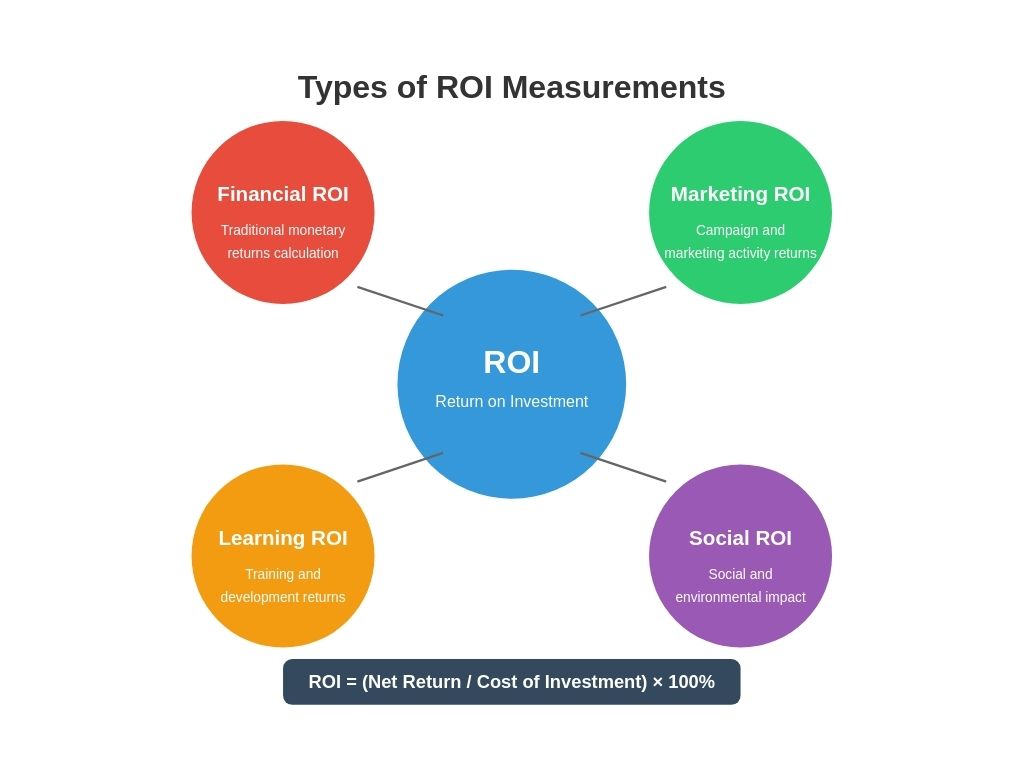
  • Return on Investment (ROI) – a measurement of the profitability of your campaigns based on the revenue generated versus the cost incurred, a key metric for assessing success.
  • Post Share Rate – the percentage of posts that users share with others, which can indicate the level of relevance and attractiveness of your content.

In addition to these basic metrics, it’s also important to analyze qualitative data, such as comments or user feedback. This data can provide deeper insight into how people perceive your brand, what they like, and what could be improved.

What principles are applied in the analysis and measurement of results?

There are a few basic principles that guide the analysis and measurement of social media results:

  1. Regularity – measurement should be done on a regular basis, such as weekly or monthly, to track the evolution of campaign performance and respond to changes.
  2. Contextualisation – the numbers themselves may not mean anything if they are not put into context. It is important to compare results with past campaigns, competitors, or specific events that may have influenced performance.
  3. Flexibility – social media strategies should be flexible enough to respond to the results of the analysis. If it turns out that a particular tactic isn’t working, you need to have the courage to change it or abandon it altogether.
  4. Optimization – Content and campaigns need to be continuously optimized based on the data. This includes adjustments to targeting, post timing, content formats, or the creative itself.
  5. Emphasis on ROI – ROI is a key metric that helps marketers understand if the spend is paying off. It’s important to calculate how much money or time was invested and what the output was.

What is the purpose of analyzing and measuring results?

Analyzing and measuring results on social media is used to make more accurate decisions. They allow marketers to see which strategies are most effective and which ones are not working. They also allow for better resource allocation, meaning budgets and energy are focused on tactics that deliver the best results.

In addition, performance measurement allows you to identify new opportunities. For example, if you find that certain content is generating far more shares than others, it may indicate that you should include that type of content more often in your strategy. In addition, data analysis helps you better understand your target audience – what they’re interested in, what formats they prefer, or when they’re most active.

Last but not least, measuring results is important for proving the value of marketing campaigns. Data and analytics allow marketers to show executives or clients how effective their campaigns are and to justify their investments and strategies.

Why is SoMe important in modern marketing?

Social media offers businesses a unique opportunity to be in direct contact with their customers and receive valuable feedback from them. In an age where interaction and authenticity are key, SoMe platforms provide a space where brands can show their human side, share their story, and inspire their audience.

A successful social media presence can not only increase brand awareness but also directly impact sales results and create loyalty. That’s why it’s important in marketing to have a clearly defined and well-thought-out SoMe strategy.

C2B (Consumer-to-Business) - what is it and how does it work?

C2B (Consumer-to-Business) – what is it and how does it work?

C2B (Consumer-to-Business) is a relatively new and innovative marketing model that turns the traditional business relationship on its head. Unlike more common models such as B2C (Business-to-Consumer) or B2B (Business-to-Business) where businesses offer their products and services to consumers or other businesses, the C2B model puts the consumer in the role of the one who provides value to businesses. Simply put, in the C2B model, the consumer plays an active role, offering their skills, content, or feedback to businesses.

How does C2B work in practice?

In practice, the C2B model works by consumers providing something of value to companies that companies use to their advantage. This can be content creation, feedback, marketing services, or even innovation and new ideas. In return, businesses pay, discount or otherwise compensate consumers for their contribution.

This model has become increasingly popular with the rise of the internet and social media, where consumers can easily create and share content, provide feedback, or even promote products. Businesses use this consumer activity to build their brand, improve products, or better target marketing.

Examples of C2B in practice

  • Reviews and feedback on platforms – a typical example of a C2B project is the Czech Heureka.cz, where consumers often write reviews about products they use or have recently bought and, in addition to products, also give feedback to shops. This feedback is very valuable for companies, as it not only helps to improve products but also strengthens the trust of other consumers (they are not afraid to also buy on the same site or purchase a product that was previously unknown to them). Companies benefit from this feedback because potential customers often read reviews before they buy something, and Heureka.cz does too because it has a business model based on this and the customer is ultimately happy too, because they don’t have to try on their own if the product or the selling company/distributor is worth a damn.
  • Affiliate marketing – In this model, consumers, such as bloggers or influencers, promote the products or services of companies through their websites or social networks. If someone purchases the product as a result of this promotion, the consumer (affiliate) receives a commission. This type of cooperation is common for example with e-shops or travel agencies and is a win-win in terms of performance. You, as the operator of, for example, an e-shop, only pay for the customer who is brought in and pays.
  • Content creation (User-Generated Content) – consumers can create content themselves, which companies then use for their marketing campaigns. For example, Instagram users often share photos showing products they have purchased and companies use this content to promote themselves. This user-generated content not only provides businesses with authentic advertising but also increases customer engagement.
  • Crowdsourcing ideas and innovation – Some companies actively solicit ideas and feedback from their customers when developing new products. For example, LEGO has a fan program where fans can submit suggestions for new building blocks. If a suggestion gets enough support from the community, it can become a real product, and the author of the idea is rewarded for it.
  • Online auctions or job markets – there are platforms like Fiverr or Upwork where consumers (freelancers) offer their services to companies. This could be graphic design work, article writing, web development, or consulting. Here, consumers directly provide their skills to businesses, which hire them as needed.

Benefits of the C2B model for businesses

Of course, the benefits vary according to the type of project and also cannot always be applied to every project, but we can certainly mention a few common denominators in C2B projects.

  • Authenticity and credibility – consumer content or feedback is perceived as much more authentic than traditional marketing campaigns. Reviews from real users carry more weight than corporate ads because they are based on personal experiences.
  • Low marketing costs – when consumers create content, promote products on social media, or provide feedback, companies save on marketing costs. They don’t have to pay for expensive ads because they have “free” ambassadors in the form of satisfied customers.
  • Innovation and product improvement – thanks to customer feedback, companies can react quickly to changes in the market, improve their products, or develop new ones. Consumers who share their opinions give companies invaluable insight into what really works and what doesn’t.
  • Customer loyalty – when customers see that their opinion is heard and that the company is actively communicating with them, their loyalty increases. They feel that they are part of the process and that their input has a real impact.

Benefits of the C2B model for consumers

  • Rewards and benefits – consumers can receive various rewards for their activity, such as discounts, financial compensation, or even free products. This is particularly attractive for those who actively engage in product reviews, providing feedback, or creating content for companies. Rewards serve as motivation while providing consumers with tangible value for their time and effort.
  • Ability to influence products – With the C2B model, consumers have a direct impact on how products look or what services companies offer. Consumers feel that their voice counts and that they are involved in the development of the products they subsequently buy. This strengthens their loyalty and makes them feel that they are not just passive recipients but co-creators. If a customer wants a particular improvement or new feature, they can suggest it in feedback and, if the suggestion is accepted, they see that their opinion actually influences the final product.
  • Personalized services – thanks to the feedback companies receive from consumers, they can better tailor their products and services to the specific needs of their customers. Consumers get personalized and better-matched products that are more tailored to their individual preferences. This leads to increased satisfaction as customers receive products that better match their needs and wants.
  • More credible and trustworthy information – One of the key benefits of the C2B model is the authenticity of information. When consumers share their opinions about products or services, other customers perceive this feedback as more credible and trustworthy than traditional corporate advertising. Consumers can save time and money because someone else has already done thorough product testing, wrote a review, or tried the service itself. They do not have to make blind purchases themselves and rely only on the promises of manufacturers.
  • Saving time and money – when consumers read reviews or watch user-generated content, they save time and money. They don’t have to invest in products or services that turn out to be unsuitable. For example, when buying electronics or other more expensive products, user reviews give them key information that they would otherwise only get after testing them in person. This means that they can minimize the risk of making the wrong purchase while maximizing their investment in quality and proven products.
  • Reducing risk – under the C2B model, consumers can rely on the opinions of others who have already tried the product. This means they can reduce the risk of buying a poor quality product or using a poor service. Because others have already been through the process of testing or using the product, it is possible to get a clear picture of whether the product actually meets expectations and is worth the investment.
  • Collaboration with companies – The C2B model allows consumers to work directly with companies. Whether it’s providing feedback, making suggestions for product improvements, or creating marketing content, consumers are actively involved in the running and growth of the business. This process not only strengthens the relationship between the company and consumers but also creates a two-way communication that is beneficial to both parties. This gives consumers the opportunity to see how their opinions and ideas impact the real world.
  • Increased loyalty and sense of engagement – when consumers are involved in decision-making processes, they feel more connected to the company. This sense of engagement often leads to increased loyalty and longer-term relationships. Consumers tend to support companies that value their input and actually respond to their feedback.
  • Leveraging technological innovation – with the rise of digital technology, it is easier than ever for consumers to interact with companies and contribute their ideas or experiences. Modern platforms and apps allow for quick and efficient feedback, whether it’s rating products, sharing user experiences, or providing recommendations for other customers. These technological advances give consumers more control over how products are perceived and promoted.

Possible negatives of the C2B model

Although the C2B model brings a number of advantages, it has some significant negatives that need to be mentioned:

  • Quality control and manipulation of ratings – not all consumer-generated content is of high quality or suitable for corporate marketing. And not all such content is genuine. Unfortunately, here too, once something is done just for the money, it devalues the entire concept. Since today projects like Heureka.cz, Firmy.cz, GoogleMaps, or Trustpilot, which allow users themselves to post reviews, the whole thing is easily exploitable. Simply companies pay discussants to review them positively in exchange for money/products or discounts (in the best-case scenario). At worst, they use fully automated systems that, by some logic, post reviews automatically, and often they’re almost indistinguishable from actual reviews from real users, which AI has contributed a lot to in recent years.
  • Devaluation of user reviews – another drawback is the short-term focus of some consumers who participate in C2B programs only for immediate reward. These customers may not be genuinely interested in long-term collaboration or product quality, which can lead to superficial reviews and weak feedback that won’t help the company in further product or service development. Or, again, the devaluation of genuine reviews, because logically a consumer who sees that his experience of a product is diametrically opposed to the description of the review will distrust these reviews altogether or approach them with a certain amount of skepticism next time. This will inevitably lead to people not trusting the reviews at all, which will lead to a growing distrust of the whole review system and C2B projects will struggle.
  • Lack of transparency – with the advent of influencers, concerns about the transparency of certain posts and statuses from influencers have simply started to emerge. Although influencers should always state that they are paid collaborations, this does not always have to be the case. The same then applies to independent reviews, as you never know if the product or company has actually been reviewed by someone unbiased, which is just another way of misleading the customer. This lack of transparency can have legal implications and damage the credibility of a brand, but it also leads us once again to just urge greater caution. In short, when you see somewhere that someone is promoting a free service, it’s a good idea to use critical thinking and try to verify that experience from a few more trusted sources (this requires some time spent searching, where the rule is that when I can’t verify something and it looks too tempting, don’t buy it, don’t order it, because it’s probably just another trap for you as a customer). Some consumers may feel that they are constantly bombarded with requests for reviews or feedback. This can lead to negative feelings towards the brand and a decreased willingness to provide honest feedback.
  • Risk of losing control of the brand – When companies rely on customer-generated content, they risk losing control of how their brand is presented. Consumers may create content that does not align with company values, or may even be misleading or damaging to the brand image. As the C2B model becomes increasingly popular, companies may also face challenges coordinating and managing large numbers of users and their content. This can be particularly challenging for smaller companies with limited resources and capacity. Consumers can also quickly become disinterested in engaging with firms under the C2B model if new trends or changes in the market emerge. Thus, firms must constantly innovate and adapt their approach to maintain the interest and activity of their fans and customers.
Is using noscript tags GDPR and CCPA compliant - key considerations for website compliance according to the EU law

Is using noscript tags GDPR and CCPA compliant – key considerations for website compliance according to the EU law

Are noscript tags GDPR and CCPA Compliant?

No, noscript tags are not GDPR or CCPA compliant by default. These tags are designed to function when JavaScript is disabled, meaning they bypass JavaScript-based cookie consent tools. Since you cannot control or block noscript tags without JavaScript, they run automatically, potentially without user consent, which violates privacy regulations/GDPR. To ensure your website is compliant, you should remove all noscript tags in third-party scripts, such as those in GTM, Facebook Pixels, to prevent unregulated tracking.

Difference between GTM script and noscript tags and how it affects GDPR

The GTM script tag uses JavaScript for tracking and can be controlled by cookie consent tools, ensuring GDPR compliance when users give consent.

Two common terms associated with GTM are <script>:

<!– Google Tag Manager –>
<script>(function(w,d,s,l,i){w[l]=w[l]||[];w[l].push({‘gtm.start’:
new Date().getTime(),event:’gtm.js’});var f=d.getElementsByTagName(s)[0],
j=d.createElement(s),dl=l!=’dataLayer’?’&l=’+l:”;j.async=true;j.src=
‘https://www.googletagmanager.com/gtm.js?id=’+i+dl;f.parentNode.insertBefore(j,f);
})(window,document,’script’,’dataLayer’,’GTM-XXXXXXX‘);</script>
<!– End Google Tag Manager –>

And <noscript>:

<!– Google Tag Manager (noscript) –>
<noscript><iframe src=”https://www.googletagmanager.com/ns.html?id=GTM-XXXXXXX
height=”0″ width=”0″ style=”display:none;visibility:hidden”></iframe></noscript>
<!– End Google Tag Manager (noscript) –>

In this example, replace GTM-XXXX with your actual GTM container ID. You can generate your unique GTM code directly from your Google Tag Manager Console.

Note: GTM code is always having these two parts, first <script> is inserted in the <head> (according to the instructions as high in the <head> of the page as possible – which is actually also in many cases not the best decision, as it may easily slower the website visualization/speed score), and second shorter (noscript) part in the <body>.

The <noscript> tag loads an invisible iframe that connects to Google Tag Manager, allowing it to track page views and manage tags, such as analytics or marketing scripts, without relying on JavaScript. If you omit this code, tracking may not work for users who have JavaScript disabled, leading to incomplete analytics data or missed marketing tags.

The noscript tag is basically bypassing consent mechanisms and may track data without user approval, which is not GDPR compliant solution. Properly managing noscript tags (even those third-party scripts) is essential to ensure proper data handling and compliance.

GTM script tags – what they are and how they work

A GTM script tag is a JavaScript snippet generated by Google Tag Manager that you embed into your website’s HTML. This tag acts as a container for various tracking tags (like analytics, ads, or remarketing tags), allowing easy management without directly altering the website’s source code. GTM is especially useful for managing LinkedIn Ads, Google Analytics, or Facebook Pixel, offering flexibility and real-time updates for ad tracking and data collection.

To make sure your tracking tags (e.g., for Google Analytics) capture all important data, you should place the GTM script as high as possible in your website’s HTML, typically in the <head> (but there is one big BUT – see below, what it can cause). If you place it lower, the script may load after some key user actions (like page views or clicks) have already occurred. For example, if the script loads late, you might miss tracking a user who quickly navigates away. This can result in lost data, meaning incomplete insights into how users interact with your site. But in reality, you try to find some consensus – to get as much data as possible and also not influence the website speed (and the marketing campaign outcome) in a negative way.

This particular <script> GTM code in the head is the driving force behind all the tracking processes occurring on a website. It is responsible for establishing the dataLayer, activating triggers for execution, dispatching tags, and more.

Here’s an example of a GTM script tag:

<!– Google Tag Manager –>
<script>(function(w,d,s,l,i){w[l]=w[l]||[];w[l].push({‘gtm.start’:
new Date().getTime(),event:’gtm.js’});var f=d.getElementsByTagName(s)[0],
j=d.createElement(s),dl=l!=’dataLayer’?’&l=’+l:”;j.async=true;j.src=
‘https://www.googletagmanager.com/gtm.js?id=’+i+dl;f.parentNode.insertBefore(j,f);
})(window,document,’script’,’dataLayer’,’GTM-XXXXXXX‘);</script>
<!– End Google Tag Manager –>

Similar here – replace GTM-XXXX with your unique GTM container ID, which can be generated from your Google Tag Manager console.

However, GTM can impact website performance if not optimized, as I mentioned several times already. Improper placement or too many GTM tags in the <head> section may delay page rendering, affecting Largest Contentful Paint (LCP). To prevent this, GTM tags should be loaded asynchronously, which allows the script to load in the background while the rest of the page renders smoothly. This prevents the GTM script from blocking the display of critical content.

To ensure GTM doesn’t impact website performance, several optimization tools can help. GTmetrix, Lighthouse or PageSpeed Insights from Google can analyze your site’s performance in general, highlighting issues like delayed script loading or LCP and what to do (you will get exact recommendations for your developer/agency, on how to optimize the site). For WordPress users, I can recommend plugins like WP Rocket, which helps optimize script loading on your web pages, ensuring they don’t block the rendering of critical content. These tools make sure your site will render smoothly and maintain good performance scores while preventing the script from delaying content visibility. Also – if you do not have some programming skills, you will need to hire a web developer, as even the best plugins like WP Rocket, will still break probably some functionality (in case you have done some custom development/updated WordPress core little). 

Tag bloat is another issue connected with GTM that can affect website performance. Each tag adds some “weight” to the page (a few kilobytes), and firing too many tags unnecessarily can slow down the website, also when there are setup rules or third-party tools for managing website GDPR compliance (cookie banners), where scripts again need to wait for each other (fonts, pixels, other third-party software/scripts, which populate other scripts and those other scripts…). To mitigate this, regularly audit and remove unused tags and ensure that tags fire only when necessary. For example, tags can be set to trigger based on specific user interactions (e.g., form submissions or button clicks) rather than firing on every page load. This targeted triggering helps maintain page speed and avoids unnecessary strain on performance.

While the optimization principles remain the same, the specific setup can vary depending on the website’s platform or CMS. More complex websites or those with heavy traffic may need advanced tag optimization, such as deferring non-critical tags until after the page has fully loaded. By handling tags efficiently, you can maximize the benefits of GTM without sacrificing performance.

Note regarding to the dataLayer – the dataLayer is a crucial part of Google Tag Manager (GTM) that acts as a bridge between the website and GTM itself, enabling the seamless collection of data. Essentially, it is a JavaScript object that holds and transfers information about user interactions, such as clicks, form submissions, page views, or product purchases. This data is then used to trigger specific tags for tracking purposes.

A dataLayer  looks like a simple JavaScript object, structured to hold multiple pieces of data. Here’s an example:

window.dataLayer = window.dataLayer || [];
window.dataLayer.push({
‘event’: ‘formSubmission’,
‘formType’: ‘newsletterSignup’,
‘userEmail’: ‘example@domain.com’
});

But dataLayer  can have many different uses. For example this code sets the default consent settings to “denied” for various types of data storage, including ads, analytics, ad personalization, and ad user data. The wait_for_update parameter delays the tag firing for 2000 milliseconds, allowing time for consent to be updated. Additionally, ads data redaction is enabled to prevent the collection of certain ad-related data by default:

<script type=”text/javascript”>
// create dataLayer
window.dataLayer = window.dataLayer || [];
function gtag() {
dataLayer.push(arguments);
}
// set “denied” as default for both ad and analytics storage, as well as ad_user_data and ad_personalization
gtag(“consent”, “default”, {
ad_user_data: “denied”,
ad_personalization: “denied”,
ad_storage: “denied”,
analytics_storage: “denied”,
wait_for_update: 2000 // milliseconds to wait for update
});
// Enable ads data redaction by default [optional]
gtag(“set”, “ads_data_redaction”, true);
</script>

Noscript tags and their role in GTM

A <noscript> tag acts as a backup for when users disable JavaScript, ensuring basic tracking like page views can still occur. Since GTM relies on JavaScript for loading and managing tags, the absence of JavaScript would typically cause tracking to fail. By including a <noscript> tag, an HTML <iframe> is loaded to maintain minimal tracking for these users. While useful, noscript tags only capture limited data and lack advanced tracking features. Additionally, they can impact GDPR compliance, and don’t support dynamic event tracking or e-commerce actions. They also add minimal load to the page, offering basic functionality without slowing down performance. Finally, noscript tags can be customized to enhance fallback behavior for specific tracking needs.

Here’s an example of a <noscript> tag:

<!– Google Tag Manager (noscript) –>
<noscript><iframe src=”https://www.googletagmanager.com/ns.html?id=GTM-XXXXXXX
height=”0″ width=”0″ style=”display:none;visibility:hidden”></iframe></noscript>
<!– End Google Tag Manager (noscript) –>

Similar to the GTM script tag, you’ll need to replace GTM-XXXX with your unique GTM container ID, which can be generated from your Google Tag Manager console.

GDPR implications of GTM script and noscript tags

  • Under GDPR, explicit user consent is required for collecting and processing personal data. GTM script tags can trigger various tracking tools, so integrating a consent management solution is crucial to ensure compliance.
  • Noscript tags provide basic tracking when JavaScript is disabled, but advanced features may still require user consent.
  • Although noscript tags can offer minimal tracking, GDPR best practices recommend focusing on script-based tracking and ensuring that only essential tags with proper user consent are deployed. This follows GDPR’s principle of data minimization, which aims to limit unnecessary data collection. Websites should prioritize only those tags that serve a specific purpose and have been approved by the user.
  • Additionally, website administrators must carefully configure GTM to collect only the necessary data, reducing risk and maintaining GDPR compliance by ensuring proper consent is gathered before activating any tracking or analytics mechanisms.

Plus, there is still this note – it’s critical to regularly audit and optimize your GTM tags to ensure they do not impact the overall performance of your site. Implementing asynchronous loading, deferring unnecessary tags, and minimizing tag bloat are all essential steps in maintaining a fast, responsive website. In addition, keeping an eye on performance metrics with tools like GTmetrix and PageSpeed Insights will ensure your website remains efficient while still gathering valuable tracking data.

How to identify AI-written content - a complete guide how to detect automated articles by AI/ChatGPT

How to identify AI-written content – a complete guide how to detect automated articles by AI/ChatGPT

Leveraging AI for content creation has proven to be highly effective, increasing productivity up to 5X. However, it’s important to understand how to detect AI-generated content, which can often be identified through certain characteristics.

Examine the writing style

AI-generated text often maintains a highly consistent tone and structure. While human writers adapt their tone based on context or the subject matter, AI tends to stick to one pattern. This makes the content feel predictable, lacking the variability and nuances seen in human-authored writing. The sentence structures are typically simple, sometimes overly so, and repetitive in style. Additionally, the complexity of AI content might seem unnatural—either too formal or too simplified depending on the prompt.

For instance, AI tends to repeat similar sentence patterns or phrase structures, making the writing feel robotic. These types of patterns don’t break, and you can sense a distinct monotony. For example, instead of shifting style or adding personal anecdotes, AI may consistently deliver grammatically correct but formulaic sentences, which can feel less engaging to the reader.

Text formatting issues

AI-generated content frequently exhibits formatting inconsistencies, particularly when handling structured elements like bullet points, headers, and lists. Human writers intuitively understand the importance of maintaining a logical and visually coherent structure to improve readability, but AI can miss these nuances.

List formatting

A common mistake AI makes is mixing different list types, such as starting with numbers and then suddenly switching to bullet points or using too many bullet points. This disrupts the natural flow and makes it harder for the reader to follow the progression of ideas.

AI-generated list example:

  1. Benefits of solar energy
  • Reduces energy bills
  1. Environmental impact

Here, the AI begins with a numbered list, abruptly shifts to a bullet point, and then returns to numbering. This inconsistency is not only jarring to the reader but also reduces the professionalism of the content. In contrast, a human writer would maintain consistency:

Human-generated list example:

  1. Benefits of solar energy
  2. Reduces energy bills
  3. Environmental impact

Misuse of headers

AI can also struggle with applying headers correctly. In some cases, it might use subheadings inconsistently, placing an H2 header where an H3 or H4 would be more appropriate or forgetting to add any headers in relevant sections.

AI header mistake:

H2: How to save energy text: Simple steps to reduce energy consumption.

H2: Turn off devices text: Make sure to turn off all electrical devices when not in use.

Here, the AI uses two H2 headers for separate points that should fall under one broader category. The transition feels abrupt and lacks hierarchy. A human writer would likely structure it like this:

Human header example:

H2: How to save energy

H3: Turn off devices text: Make sure to turn off all electrical devices when not in use.

Capitalization errors

AI-generated content can also struggle with consistent capitalization, or for example for local languages, it still uses capitalization as in the English language and capitalise every word in the headline. For example, it might capitalize bullet points incorrectly, making them look unpolished. In human writing, capitalization is more thoughtfully applied based on style guidelines.

AI example with capitalization mistakes:

  • Solar Panels Save Money
  • reduce energy bills
  • Use Renewable Energy Sources

In this case, the AI improperly capitalized the first bullet while leaving the second uncapitalized. A human writer would ensure consistency:

Human Example:

  • Solar panels save money
  • Reduce energy bills
  • Use renewable energy sources

Identify repetitive patterns

One of the most noticeable features of AI-written content is repetition. This can take the form of repeated phrases, keywords, or concepts throughout the article. AI-driven SEO tools often optimize content by repeating keywords more than a human writer typically would, trying to hit certain SEO metrics. If you observe this overuse of specific terms or repeated ideas in a way that feels forced, there’s a good chance it’s AI-generated.

Assess originality

AI systems draw on vast datasets of existing information, which often leads to generic or surface-level content. AI-generated articles may fail to provide fresh perspectives, nuanced analysis, or detailed insights into a topic. This lack of originality is a red flag, especially if the article covers a broad subject without any unique contributions or expert opinions.

Checking for plagiarism can also help identify AI content. Although AI tools generally create unique text, they can still produce material similar to existing sources, particularly on widely covered topics. Using plagiarism detection software can reveal if the content has significant overlap with other articles or websites.

For instance, if the text has been flagged for repeated phrases or entire sections matching other published works, it could suggest the content has been generated by an AI tool. Additionally, AI struggles with providing unique perspectives, making it essential to check for originality.

Plagiarism checkers also highlight whether the content structure feels formulaic, a hallmark of AI-generated material. Human writers tend to incorporate depth, context, and cultural references that AI struggles to replicate, whereas AI outputs often contain standardized formatting or predictable patterns, which can show up in plagiarism reports.

By combining plagiarism detection metrics with analysis of the content’s depth, flow, and uniqueness, it becomes easier to determine whether the content was AI-written or produced by a human.

Check for contextual errors

AI is improving, but it still struggles with context. You may find that AI-generated content has abrupt transitions or lacks logical flow. For example, it might jump from one idea to another without smooth transitions, or it might leave out important steps in explaining an argument. Similarly, AI may occasionally produce outdated or inaccurate information since it relies on the data available to it, which can sometimes be obsolete or misleading.

A detailed fact-check can expose whether the content has been created by AI—look for inconsistencies or information gaps that a human writer might not overlook.

Evaluate for human touch

Human writers often add personal touches, such as anecdotes, humor, or emotional nuances, making the content feel relatable and engaging. AI-generated articles tend to lack these qualities, which can make the writing feel detached or too formal. Humans typically consider the audience while writing, using rhetorical questions or interactive elements that AI is less likely to include.

Human writing often reflects an emotional connection to the subject matter or an awareness of the reader’s perspective. AI, while highly efficient, produces text that might lack these deeper considerations.

How does Google identify AI content and what patterns in Google do they look for?

Google uses advanced natural language processing models, such as BERT and GPT, to identify AI-generated content by analyzing patterns in sentence structure, syntax, and word usage. These models evaluate the flow of the text, looking for mechanical or predictable phrasing, often seen in AI output. For instance, AI frequently overuses transitional phrases like “however” or “therefore” in predictable sequences. Additionally, Google examines sentence variability, grammar, and complexity. AI-generated content tends to follow rigid structures, while human writing exhibits more natural variation in style and tone.

Google also tracks user engagement metrics such as bounce rates, time on page, and click-through rates to assess content quality. Low engagement could suggest low-quality or AI-generated content, especially if it lacks the depth, nuance, or cultural references typically found in human writing. In addition, Google’s focus on expertise, authoritativeness, and trustworthiness (E-A-T) means that content created by experts or containing original research is more likely to rank higher than AI-generated articles, which often rely on generic information.

The models used by Google break down language in sophisticated ways, analyzing sentence length, repetition, and the logical flow of ideas. AI writing often contains repetitive sentence lengths, overly consistent phrasing, and lacks natural transitions, which can easily be detected by these algorithms. For example, AI may write overly simplistic sentences, all of similar length, or frequently use certain patterns of words that make the text sound robotic.

Fact-checking is another critical factor in detecting AI-generated content. AI may produce inaccuracies or outdated information, especially if its dataset isn’t updated frequently. Google cross-references content with verified sources to ensure the information provided is accurate and timely. If the content contains errors or lacks relevant updates, it is flagged as low quality.

One of the biggest challenges for AI-generated content is demonstrating unique insights or expertise. While AI can pull together information from multiple sources, it struggles to offer novel perspectives or deeply analyze topics. Google’s algorithms assess how well a piece of content provides valuable, unique insights that are not easily found elsewhere. AI often produces generic content that covers the surface level without in-depth analysis, making it easier for Google to detect through its models.

Google also looks at how content engages with cultural and contextual factors. AI tends to generalize without accounting for cultural nuances or local contexts, which is another clue that it was machine-generated. A human writer would typically bring in personal experiences or culturally relevant examples, which are often lacking in AI-generated text. This lack of depth is another red flag for Google.

Additionally, the inclusion of relevant keywords and the flow of keyword density play a role. AI-generated content often over-optimizes for SEO, leading to keyword stuffing or unnatural phrasing to meet keyword demands. Google penalizes content that prioritizes SEO over quality, especially when keywords are forced into the text without regard to readability.

Plagiarism is another factor Google considers when determining if content is AI-generated. Even though AI models produce new text, they are trained on vast datasets of existing content, which can lead to unintentional overlaps or close paraphrasing of existing work. Google uses plagiarism detection algorithms to check for such overlaps, especially in common or widely discussed topics. Tools like Turnitin or Copyscape can also be used to check for potential plagiarism.

Manual rewriting can significantly help in bypassing Google’s detection of AI-generated content by adding human creativity, nuance, and variation that AI models often lack. By manually rewriting, writers can avoid predictable patterns, overused transitions, and repetitive phrasing that are typical in AI output. Human authors can also inject personal experiences, cultural references, and deeper insights, which AI struggles with. This makes the content feel more authentic and tailored, improving its originality. Furthermore, rewriting helps to avoid plagiarism issues, ensuring the content passes as unique and engaging for readers and search engines alike.

Fraud protection - what is it?

Fraud protection – what is it?

Fraud has been a persistent issue throughout history, evolving with the advancement of technology, globalization, and the rise of complex financial systems. Today, fraud affects individuals, businesses, and governments alike, causing substantial financial losses and undermining trust in institutions.

Fraud protection is the process of detecting, preventing, and mitigating fraud, employing various strategies and technologies to protect against criminal activities. In this article, we’ll dive deep into the concept of fraud, explore its different forms, and examine the best practices for effective fraud protection in today’s interconnected world.

What is fraud?

Fraud can be broadly defined as any intentional act of deception designed to secure unfair or unlawful gain, usually at the expense of another party. This criminal activity can take many forms, from individuals falsifying information to large-scale corporate scams that deceive investors, regulators, or the public.

Fraud is typically characterized by three elements:

  • Deception – the intentional use of false statements or misrepresentation of facts.
  • Damage – a loss or harm experienced by the victim due to reliance on the deceptive act.
  • Personal gain – the fraudster benefits in some way, often financially, as a result of their deceptive behavior.

Common characteristics of fraud

  • Intentionality – fraud is not accidental. It involves premeditated actions designed to mislead or deceive others.
  • Illegal gain – the ultimate goal of fraud is personal or financial gain, often at the expense of another person, organization, or society.
  • Multiple forms – fraud can manifest in various ways, from financial fraud to identity theft, digital fraud, and even fraud committed against government institutions.

Types of fraud

There are many different types of fraud, each with unique characteristics and risks. Below are some of the most common forms of fraud:

1. Financial fraud

Financial fraud encompasses various deceptive practices aimed at gaining unlawful financial advantage. It affects individuals, businesses, and governments, costing trillions of dollars globally every year. Common examples include:

  • Embezzlement – the misappropriation of funds by someone entrusted with those funds, such as an employee or financial officer.
  • Ponzi schemes – a type of investment scam where returns to earlier investors are paid using new investors’ funds rather than legitimate profits.
  • Insider trading – the illegal buying or selling of securities based on confidential information not available to the public.
  • Mortgage fraud – falsifying information on loan applications or other mortgage-related documents to secure favorable loan terms.
  • Bank fraud – fraudulent activity that targets banks, such as forging checks, falsifying account information, or misrepresenting personal identity.

2. Identity theft

Identity theft occurs when someone wrongfully obtains and uses another person’s personal information (such as Social Security numbers, credit card details, or medical information) for fraudulent purposes. This can result in significant financial harm for the victim and damage to their reputation.

  • Financial identity theft – fraudsters open credit accounts, take out loans, or make large purchases using someone else’s personal information.
  • Medical identity theft – using someone else’s identity to obtain medical care or prescriptions, often leading to inflated medical bills for the victim.
  • Criminal identity theft – using someone else’s identity when arrested or during legal proceedings, placing the victim at risk of wrongful prosecution.

3. Digital fraud

As the world becomes increasingly digital, fraud has followed suit. Digital fraud encompasses a wide range of activities designed to exploit online systems, websites, and digital platforms. Some examples include:

  • Phishing – sending fake emails or messages pretending to be legitimate organizations to trick people into providing sensitive information like passwords or credit card numbers.
  • Malware attacks – installing malicious software on a person’s device without their knowledge to steal personal information or access financial accounts.
  • Online payment fraud – using stolen credit card information or creating fake accounts to make unauthorized purchases.
  • Ad fraud – manipulating advertising systems by generating fake clicks, impressions, or conversions to siphon ad budgets or inflate performance metrics.

4. Corporate fraud

Corporate fraud involves deceitful actions by individuals or organizations to gain an unfair advantage, often at the expense of shareholders, employees, or the public. This can lead to significant financial and reputational damage to companies. Examples include:

  • Accounting fraud – falsifying financial statements or manipulating accounts to hide poor performance or inflate profits.
  • Bribery and corruption – offering or accepting bribes to influence business decisions, often leading to unfair competition or regulatory breaches.
  • Procurement fraud – manipulating supply chain processes, such as inflating prices or colluding with suppliers to siphon company funds.

5. Insurance fraud

Insurance fraud occurs when someone deceives an insurance company to receive payouts they are not entitled to. It can be committed by policyholders, insurance agents, or other parties. Examples include:

  • False claims – filing claims for damages or losses that never occurred.
  • Exaggerated claims – inflating the value of legitimate claims to receive higher compensation.
  • Application fraud – providing false information on insurance applications to receive lower premiums or better coverage.

Fraud protection: strategies and technologies

Preventing and mitigating fraud requires a combination of best practices, technologies, and human vigilance. Below are key strategies used in fraud protection:

1. Identity verification

One of the primary defenses against fraud is robust identity verification measures. Verifying the identity of individuals and organizations before engaging in transactions helps prevent fraudsters from impersonating others. Methods include:

  • Biometric authentication – using fingerprints, facial recognition, or other biometric data to confirm identities.
  • Two-factor authentication (2FA) – requiring users to provide two forms of verification, such as a password and a temporary code sent to their phone.
  • Document verification – verifying official documents like passports, driver’s licenses, or utility bills to ensure a person’s identity.

2. Transaction monitoring

Real-time transaction monitoring is essential in detecting suspicious activity. Financial institutions and businesses can use advanced algorithms and artificial intelligence (AI) to monitor large volumes of transactions, flagging irregularities that might indicate fraud.

  • Behavioral analysis – monitoring user behavior, such as login locations, transaction frequency, and purchase patterns to detect anomalies.
  • Risk scoring – assigning risk scores to transactions based on predefined criteria, with high-risk transactions triggering further review.
  • Geolocation tracking – identifying unusual transactions based on the user’s geographic location, such as purchases made far from their home.

3. Data encryption

Sensitive data, such as financial information and personal identifiers, must be encrypted to protect it from unauthorized access or tampering. Encrypting data ensures that even if a fraudster intercepts it, they cannot read or use it without the decryption key.

  • End-to-end encryption – securing data from the point of transmission to its destination, making it unreadable during transfer.
  • Tokenization – replacing sensitive data, like credit card numbers, with randomly generated tokens that hold no exploitable value.

4. Fraud detection technologies

Advances in technology have led to the development of powerful fraud detection systems that combine machine learning, AI, and big data analytics to identify and prevent fraudulent activity. Key tools include:

  • Anomaly detection – using machine learning algorithms to identify unusual patterns in transactions or behavior that deviate from the norm.
  • Device fingerprinting – collecting data from devices used to access accounts or complete transactions to detect repeat offenders.
  • IP tracking – monitoring and flagging IP addresses associated with known fraud patterns or suspicious activity.

5. Employee training and awareness

Internal fraud can be just as damaging as external threats, which is why businesses must invest in employee training to recognize and report potential fraud. By raising awareness, companies can help employees understand how to:

  • Identify phishing attempts – recognizing fraudulent emails and communications.
  • Report suspicious behavior – ensuring that potential fraud is escalated to management or compliance teams.
  • Follow security protocols – adhering to policies that prevent fraud, such as password management and access controls.

Challenges in fraud protection

While technology has significantly improved our ability to detect and prevent fraud, several challenges remain:

  • Sophisticated fraud schemes – as fraud detection technology improves, fraudsters become more inventive, developing new tactics to bypass security measures.
  • Data privacy – balancing fraud prevention with privacy concerns is a growing challenge, as organizations must collect enough data to detect fraud without infringing on user rights.
  • Global reach of fraud – with the rise of the internet and global commerce, fraudsters can operate across borders, making it harder for authorities to enforce local regulations.

The future of fraud protection

The future of fraud protection will likely rely heavily on artificial intelligence, machine learning, and blockchain technologies. These technologies offer opportunities to improve the accuracy and speed of fraud detection while reducing false positives.

  • AI and machine learning – as these technologies evolve, they will enable fraud detection systems to learn from past behaviors, continuously improving their ability to predict and prevent fraud.
  • Blockchain – the decentralized and transparent nature of blockchain technology offers potential for reducing fraud in areas like supply chains, financial transactions, and identity verification.
Telephone etiquette in telemarketing - when and how is it appropriate to call people

Phone etiquette in telemarketing – when is it appropriate to call people and how to prepare for a phone call?

You know – you need to call a client/candidate but you don’t know if it’s appropriate still. Maybe it’s too late to do it at all?

In the Czech Republic, although the night-time rest period ends at six in the morning and starts at ten in the evening, it is better not to copy this limit exactly when making a phone call. After all, calling after 6 a.m. with the assumption that everyone is ready to deal with business matters is a bit early, unless the call is pre-arranged. Even though in some industries or regions this is not necessarily such a problem (delivery drivers/bakers and other professions that get up/function early in the morning, the same applies for example to Moravia, where it is more common for working hours to start earlier than in the Czech Republic or Prague), it is better to stick to such unwritten phone etiquette.

In general, on weekdays it is advisable to make phone calls between 9:00 and 18:00, both for business and private matters. Phone calls during lunchtime, between 12:00 and 13:00, are often considered by people to be disruptive. At weekends it is best to keep phone calls to a minimum unless it is something important. On these days, we should not call before 10:00 am or after 5:00 pm. Exceptions are calls that have been agreed in advance or are normal for both parties.

If you are unsure, it is better to text first to see if you can call on that day/time. Even in the evening, it is a good idea to think twice before calling someone.

According to Ladislav Špaček, a leading Czech etiquette expert, it is possible to call in the evening until about ten o’clock. As you can see, opinions vary, which is why I personally prefer to stick to the working hours rule.

If it is necessary to call in the evening, it should be a matter that cannot be postponed. For work calls, 7 pm is borderline, but calling later can already set you up for an uncomfortable conversation. If necessary, text first and ask if you can call.

In Portugal, for example, they have taken a firm approach to defining the boundaries between work and private life. They have legislated that bosses cannot contact their employees outside of agreed working hours. The aim of this rule is to ensure that people can better balance their work-life balance.

Just because we always have our mobile phones with us and often don’t switch them off at night, at weekends, or on holiday, doesn’t mean it’s OK to call at any time. It’s also important to think about time zones and time shifts when calling abroad (the same goes for public holidays – it’s good to keep track of public holidays and days off in a given country so you’re not surprised why no one is answering the phone today :-)). Bad timing of a call that wakes someone up in the middle of the night or when they’re already mentally off work doesn’t do any good anyway.

Telephone etiquette in different cultures

Telephone etiquette can vary depending on culture and region. In Japan, for example, it is considered rude to make a phone call on public transport and people often resort to text messaging. In France, it is common to make phone calls between 9:00 and 20:00, while in Germany it is considered inappropriate to call after 20:00. Respecting these cultural differences can help with international calls and business negotiations, and also help you work as efficiently as possible (you’ll have a higher success rate when answering the call or a more attuned caller/receiver).

You can send text messages then or messages via chat apps (Facebook Messenger, WhatsApp, Telegram, etc.) at pretty much any time, as long as the message doesn’t make it sound like you want an immediate response. If you need an answer quickly, it’s a good idea to follow the appropriate times for calling. It is true that the reply is not enforceable and it is up to both parties when to reply to the message. However, a relatively early response is always nice. In business matters, a reply should come within 24 hours.

Why is it a good idea to agree/establish rules for phone/contact?

Why is it a good idea to agreeestablish rules for phonecontact


The difference between a work call and a private call is obvious. I have friends I can call at midnight, while others don’t pick up the phone after 8 pm. Making phone calls between friends is more flexible and doesn’t have such strict rules. However, in work contacts, between colleagues or with supervisors, it is good to have some rules for calling. Because it’s not only work that makes a person alive. Colleagues also have families, hobbies, leisure time, and other non-work responsibilities, both on weekdays and at the weekend. It’s important to respect that if they’re not answering your messages or your phones.

Not to mention, you also need to disconnect from work a little from time to time.

If someone calls you and you can’t or won’t take the call, it’s fine to send a message when you answer if you want to or know it’s not mentally bothering you.

Telephone etiquette includes the fact that your loud call should not disturb anyone. Loud calls on public transport, in restaurants, cinemas, theatres, co-working spaces, and other public places are not advisable. Plus, you may not even be comfortable discussing personal or business matters out loud, for example.

Again, at a joint meeting or interview, for example, and when sitting with friends, it should be a matter of course that you pay more attention to the people present than to your mobile phone. Moreover, this may seem rude to candidates, for example.

How to prepare for an important phone call

Preparing for a call can be crucial for effective and uninterrupted communication, or it can play a vital role in your professional and personal life (as it may be an important job interview that could earn you a bang for your buck). Here are some recommendations on how to best prepare for the call:

  • Choose a suitable location – find a quiet place where you won’t be disturbed. Close the door if possible and let others know you need privacy. If you are calling from home, inform family members or roommates not to disturb you during the call.
  • Have your notes ready – have all the information and notes you might need during the call to hand. This will help you keep track and avoid unnecessary searching for information during the call.
  • Check all your technical equipment – make sure your phone is charged before the call or that you have sufficient internet connection if you are using video calling apps. Make sure your headset and microphone are working properly to avoid technical issues during the call.
  • Plan your time – book enough time for the call so you don’t have to rush. If you are expecting a longer call, give yourself time to spare so that no other commitments disturb you.
  • Turn off distractions – turn off or silence notifications on your mobile phone, computer, or other devices so you are not disturbed by incoming messages or notifications. If possible, put your phone in “do not disturb” mode.
  • Prepare water or coffee – keep a glass of water or a cup of coffee handy so you don’t have to be distracted during a call. This will also help you stay fresh and focused.
  • Choose the right posture – sit comfortably but in a way that keeps you alert and focused. Proper posture can affect your voice and the overall impression of the call.
  • Think about lighting – if it’s a video call, make sure you have good lighting. The light should be in front of you, not behind you, so that your face is clearly visible and not in shadow.
  • Check the background – for video calls, it’s important to have a clean and neutral background that won’t be distracting. Avoid areas with too much clutter or distracting elements.
  • Set goals for the call – Before the call, be clear about what you want to accomplish and what points you want to discuss. This will help you maintain the structure of the call and ensure you don’t forget important points.
  • Start with a greeting and introduce yourself – always introduce yourself and greet the other party at the beginning of the call. If it’s a formal call, you can start with, for example, “Hello, this is Jana Novak from XYZ company. I would like to discuss with you…”.
  • Listen actively – try to listen actively to the other party during the call. Do not do other activities and concentrate on what the other person is saying. Active listening also includes asking questions and confirming that you have understood the message correctly.
  • Maintain a positive tone – try to keep a positive and friendly tone of voice. Even if you are addressing a difficult topic, a positive attitude can help keep the conversation on a constructive level.
  • End the call politely – at the end of the call, thank the other party for their time and cooperation. If further communication or a meeting is needed, agree on the next course of action and timeline.

And what else to never forget when making a phone call?

Say hello and introduce yourself, unless it’s immediate family or friends. Speak briefly, to the point, and for a reasonable length of time. Remember that many people won’t tell you that you’re keeping them on the phone for a long time and that they’re not enjoying it (this is a common problem with call center staff, for example, who have a certain call script and don’t understand that you on the other end need to say quickly, clearly and concisely what the call is about because you get dozens of calls like this in a day and you simply have to filter it very quickly).

It is also essential to speak in a pleasant voice (not monotone or boring, just change the intonation of your voice).

Also write text messages grammatically correct and check them before sending them. Typos are one thing, misspellings and missing punctuation are another, and again, the other party may perceive that you don’t speak Czech well and it may raise a number of questions you don’t want to ask (for example, in interviews) – if you are educated enough and don’t generally come across well.

If you know you will need more time to discuss a topic, plan your call in advance. This will give the other party a chance to prepare and avoid unpleasant surprises. Try to call during normal business hours if it is a work-related matter.

See the recommendation above – but here it depends on other circumstances – for example, companies that are very performance-driven may instead expect you to answer the phone day and night – it’s then just a question of whether you want to set it up that way. Some people who are more of a workaholic may find this suits them, others may get depressed because they can’t mentally take a break from work. It really always depends on the circumstances and each person’s individual setup. For me, it’s not a problem to occasionally pick up the work phone later in the evening, as long as it’s not the rule. Conversely, if someone has been slacking off all day and starts working at 9 pm and starts calling you because they were too lazy to deal with it earlier, there is no point in answering the phone like that because you are only robbing yourself of your free time.

This shows respect for the other person’s work and personal life. If you don’t get through, leave a short, clear message on voicemail. Include your name, the reason for the call, and the best time to get back to you.

Motivation for setting phone rules is not just about etiquette, but also about health. You may be familiar with texting neck syndrome or bowed head syndrome.

These are the consequences of constantly hunching over electronic devices, including cell phones. This syndrome involves stiffness of the cervical spine, limitation of sideways head movement, kyphosis of the upper spine, and headaches. I could go on and on about my experience. The Head Downers 2021 study (based on a Velux survey in eight European countries, including the Czech Republic) found that 70% of respondents spend too much time in front of their electronic device screens. In the Czech Republic, this was 62% of respondents and even 75% of those aged between 18 and 34.

History of phone use

The history of telephony is fascinating and full of significant milestones. The first phone call was made on 10 March 1876, when Alexander Graham Bell called his assistant Thomas Watson. Bell then uttered the famous line, “Mr Watson, come here, I need you.”

This historic call laid the foundation for modern communication and opened the way for the rapid and efficient transmission of information over distance.

Bell’s invention was based on the principle of converting sound into electrical signals that could be transmitted over wires. This discovery revolutionized communication and quickly spread around the world. The first telephone exchange was set up in 1878 in New Haven, Connecticut, and allowed multiple users to be connected. By 1880, there were more than 50,000 telephone sets in the United States.

Since then, telephone technology has advanced steadily. In 1891, the first automatic telephone system was introduced, which allowed users to call directly without the need for an operator. This system was developed by Almon Strowger, a funeral businessman who wanted to bypass the human factor in making telephone calls.

The development of mobile phones

The move from landlines to mobile phones was another huge step forward. The first mobile phone was introduced in 1973 by Martin Cooper of Motorola. This device, known as the DynaTAC 8000X, weighed almost one kilogram and measured over 30 centimeters. The first commercial cell phone hit the market in 1983 and cost several thousand dollars, making it a luxury item.

As time went on, mobile phones became smaller, cheaper, and more affordable. In 1991, the first commercial GSM (Global System for Mobile Communications) network was launched in Finland, allowing users to use mobile phones for international calls and text messages. This technology quickly spread and became the standard for mobile communications worldwide.

Modern smartphones

Today’s smartphones are multifunctional devices that include not only the ability to make phone calls and send text messages but also to access the Internet, GPS navigation, take photos, play games, and much more. The first truly smartphone, the IBM Simon, was introduced in 1992 and had a touch screen, email capability, and basic apps.

The smartphone revolution was launched with the introduction of the iPhone by Apple in 2007. This device brought an intuitive user interface and a huge ecosystem of apps, which changed the way people use their phones. Other brands like Samsung, Google, and many others followed and contributed to the rapid development and innovation in this field.

By 2021, it was estimated that there are more than 7 billion active mobile phones in the world. This means that almost every person on the planet owns a mobile phone. This huge number of users shows how crucial a role mobile phones play in our daily lives.

The importance of telephony today

Telephoning today is not just about transmitting voice. It’s a way to stay in touch with family and friends, to work effectively at a distance, to get information, and to have fun. Telephony technology is constantly evolving, whether it’s improving call quality, introducing video calling, or integrating with other communication platforms.

Telephony also brings challenges such as the need for proper etiquette, respect for privacy, and work-life balance. But with these challenges come new opportunities and ways to stay connected in a rapidly changing world.