

Podcast – what is it?
A podcast is essentially a digital audio program that’s distributed over the internet, similar to a radio show but with one crucial difference: listeners can access it on-demand, anytime, anywhere. Think of it as your personal radio station that people can tune into whenever they want, whether they’re commuting to work, exercising at the gym, or relaxing at home.
The Fascinating Origin of the Word “Podcast”
The term “podcast” has a surprisingly recent and interesting origin story that perfectly captures the evolution of digital media. The word was coined in 2004 by British journalist Ben Hammersley in an article for The Guardian newspaper. Hammersley was writing about the emerging phenomenon of amateur radio shows being distributed online, and he needed a catchy term to describe this new medium.
The word “podcast” is a portmanteau – a linguistic blend of two words: “iPod” (Apple’s revolutionary portable music player that launched in 2001) and “broadcast” (the traditional method of transmitting audio or video content to a wide audience). This combination perfectly captured the essence of what podcasting was becoming: personal, portable audio content that could be consumed on-demand.
What makes this etymology particularly fascinating is that Hammersley actually suggested three possible names in his original article: “audioblogging,” “podcasting,” and “GuerillaMedia.” Obviously, “podcasting” was the term that stuck and became part of our everyday vocabulary. The irony is that while the name includes “iPod,” podcasts were never exclusively tied to Apple’s device – even from the beginning, they could be played on any digital audio device or computer.
The timing of the word’s creation coincided perfectly with several technological developments. RSS (Really Simple Syndication) technology had evolved to handle audio files, broadband internet was becoming more widespread, and portable digital audio players were gaining popularity. This perfect storm of technology made podcasting not just possible, but inevitable.
By 2005, just one year after the term was coined, “podcast” was selected as the “Word of the Year” by the New Oxford American Dictionary, highlighting how quickly this new medium had captured the public imagination. The dictionary defined it as “a digital recording of a radio broadcast or similar program, made available on the internet for downloading to a personal audio player.”
It’s worth noting that the concept of distributing audio content online existed before the term “podcast” was coined. Early pioneers were creating what they called “audio blogs” or “radio blogs” as early as 2003. However, it was Hammersley’s catchy terminology that gave this new medium its identity and helped it explode into mainstream consciousness.
Today, while iPods are no longer the dominant way people consume podcasts, the name has transcended its original reference. Podcasts are now consumed on smartphones, tablets, computers, smart speakers, and even in cars through various apps and platforms. The word “podcast” has become so universally accepted that it’s used regardless of the device or platform, proving that sometimes the right word at the right time can define an entire industry.
What makes podcasts particularly powerful is their intimate nature. Unlike video content where viewers might be multitasking or distracted, podcast listeners typically give their full attention to the audio content. This creates a unique bond between the host and the audience, making podcasting one of the most engaging forms of media available today.
The Explosive Growth of Podcasting
The podcasting industry has experienced phenomenal growth over the past decade. According to recent statistics, there are over 4 million podcasts worldwide, with more than 70 million podcast episodes available across various platforms. In the United States alone, over 100 million people listen to podcasts monthly, and this number continues to grow rapidly.
What’s driving this growth? Several factors contribute to podcasting’s popularity. First, the convenience factor cannot be overstated. Podcasts allow people to consume content while doing other activities – driving, exercising, cooking, or walking the dog. Second, the barrier to entry for creators is relatively low compared to other media formats. You don’t need expensive equipment or a production team to start a podcast.
Third, podcasts offer something that many other media formats lack: depth and authenticity. A typical podcast episode runs 20-60 minutes, allowing for in-depth discussions that you simply can’t get from a 30-second social media video or a brief news article. This format enables hosts to build genuine relationships with their audience and establish themselves as authorities in their respective fields.
How Do Podcasts Work?
At first glance, podcasts might seem like just audio files uploaded to the internet – but there’s a bit more behind the scenes. Understanding how podcasts work helps explain why they’re so easy to access on different platforms and why downloads are a key metric for podcasters and advertisers alike.
RSS Feeds and Podcast Directories
At the heart of every podcast is an RSS feed (Really Simple Syndication). This feed is a special XML file generated by your podcast hosting platform. It contains all the necessary information about your show, including:
- Episode titles and descriptions
- Audio file URLs
- Publication dates
- Show artwork and metadata
When you submit your podcast to directories like Apple Podcasts, Spotify, Google Podcasts, or Amazon Music, those platforms read your RSS feed and automatically update whenever you release a new episode.
Listeners don’t download from your website — they get your episode directly via these directories, which pull new content through the RSS feed in real time.
Hosting Platforms
You can’t upload your podcast directly to Spotify or Apple. You need a podcast hosting provider that stores your audio files and generates your RSS feed. These hosts also handle bandwidth and analytics.
Popular podcast hosting platforms include:
- Buzzsprout
- Libsyn
- Podbean
- Anchor (now Spotify for Podcasters)
- Transistor
These services let you upload your audio, write show notes, set release dates, and distribute your podcast to all major platforms in one go.
Download vs. Streaming
When someone listens to a podcast, one of two things happens:
- Download – the file is saved (temporarily or permanently) on their device. This is common on apps like Apple Podcasts, where listeners often download episodes over Wi-Fi to avoid using mobile data later.
- Streaming – the audio plays over the internet in real-time, like on Spotify or YouTube Music.
While streaming is increasing, most analytics tools and advertisers still focus on downloads, since:
- Downloads are trackable by hosting platforms.
- They suggest stronger listener intent (they’re more likely to finish the episode).
- Offline listening is still a major use case.
In short: Every podcast has an RSS feed hosted somewhere, and that feed is read by apps like Spotify and Apple Podcasts. Listeners then either stream or download episodes – but both come from the same feed.
Different Types of Podcasts You Should Know About
Interview-Style Podcasts
These are among the most popular podcast formats, where hosts invite guests to discuss various topics. Examples include “The Joe Rogan Experience” and “Fresh Air with Terry Gross.” The beauty of interview podcasts lies in their diversity – you can feature experts, celebrities, entrepreneurs, or everyday people with interesting stories. This format is excellent for beginners because it takes some pressure off the host to fill the entire episode with content.
Solo Commentary Podcasts
In this format, the host speaks directly to the audience without guests. These podcasts often focus on sharing expertise, telling stories, or providing commentary on current events. While this format requires strong speaking skills and the ability to maintain audience engagement single-handedly, it offers complete creative control and doesn’t require coordinating with guests.
Conversational Podcasts
These feature multiple co-hosts discussing topics together. Think of shows like “My Favorite Murder” or “Comedy Bang! Bang!” The dynamic between co-hosts creates a natural conversation flow and can be highly entertaining. However, it requires finding compatible co-hosts and managing different schedules and personalities.
Narrative/Storytelling Podcasts
These are highly produced shows that tell stories, often in a documentary style. “Serial” and “This American Life” are prime examples. While these podcasts can be incredibly engaging and have high production values, they typically require significant time investment, research, and editing skills.
Educational Podcasts
These focus on teaching listeners about specific topics, from language learning to professional development. They’re excellent for establishing expertise in a particular field and can be highly monetizable through course sales and consulting services.
Essential Equipment for Starting Your Podcast
Microphones: Your Most Important Investment
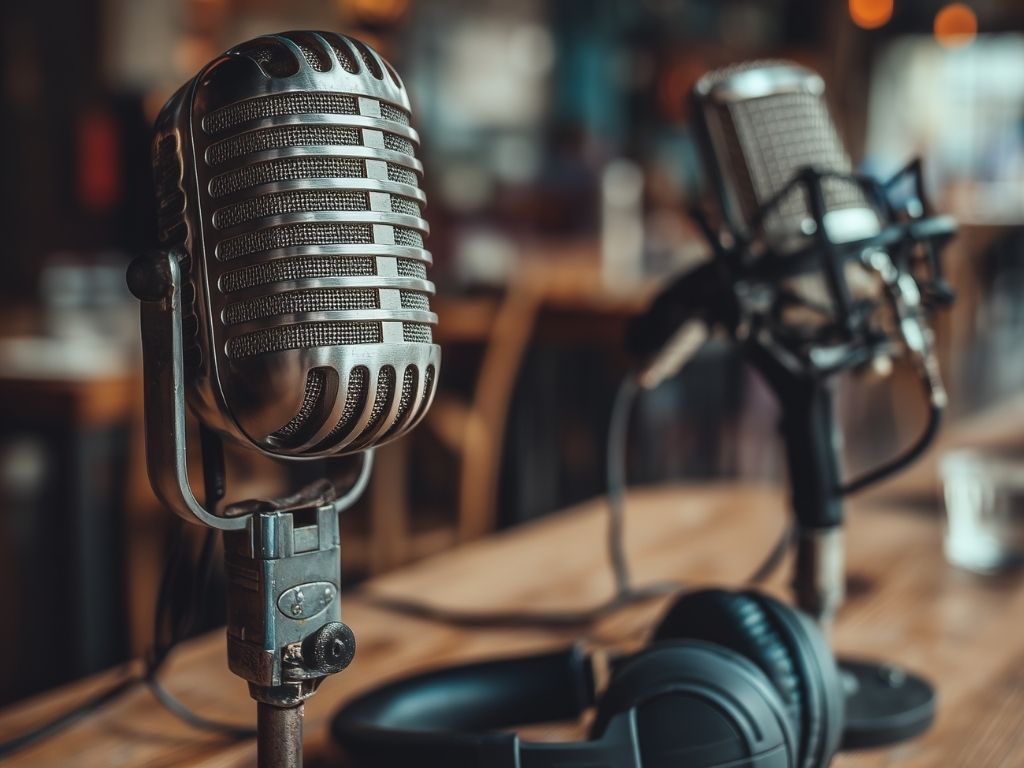
Audio quality is paramount in podcasting, and your microphone choice will have the single greatest impact on how professional your podcast sounds. Poor audio quality will turn listeners away faster than any other factor, making microphone selection one of your most critical equipment decisions. The good news is that excellent podcasting microphones are available at various price points, making professional sound accessible to creators with different budgets. For beginners, USB microphones offer the most practical entry point into quality podcast production.
These microphones connect directly to your computer without requiring additional equipment, making them ideal for new podcasters who want to focus on content creation rather than technical complexity. The Audio-Technica ATR2100x-USB represents an excellent middle-ground option that provides professional-quality sound while offering both USB and XLR connectivity, allowing you to upgrade your setup without replacing your microphone. The Blue Yeti has become almost synonymous with podcasting due to its versatility, ease of use, and distinctive appearance that works well in video podcast setups. It offers multiple pickup patterns, built-in headphone monitoring, and simple plug-and-play operation that makes it ideal for beginners.
However, the Blue Yeti’s sensitivity can pick up background noise and room acoustics more readily than some alternatives, making acoustic treatment more important when using this microphone. As you advance in your podcasting journey, XLR microphone systems offer superior sound quality and more professional flexibility, though they require additional equipment and technical knowledge. The Shure SM7B has become the gold standard for podcasting, made famous by Joe Rogan and countless other successful podcasters. This microphone excels at rejecting background noise, handling close-proximity speaking, and producing the warm, broadcast-quality sound that listeners associate with professional podcasts.
XLR systems require audio interfaces to connect to your computer, but this additional complexity brings benefits, including better preamp quality, more precise gain control, and the ability to connect multiple microphones for multi-host or guest setups. Popular XLR microphones for podcasting include the Shure SM58 (dynamic, excellent for untreated rooms), the Audio-Technica AT2020 (condenser, great for treated spaces), and the Electro-Voice RE20 (broadcast standard, exceptional voice reproduction).
For video podcasts, microphone choice becomes more complex because you must balance audio quality with visual aesthetics. Lavalier microphones can provide excellent audio quality while remaining nearly invisible on camera, though they require more sophisticated audio equipment. Shotgun microphones can capture high-quality audio from a distance, keeping microphones out of the video frame while maintaining professional sound quality.
The placement and technique of microphone use is often more important than the specific microphone model. Maintaining consistent distance from the microphone, speaking directly into the pickup pattern, and using proper microphone techniques can make a modest microphone sound professional, while poor technique can make expensive equipment sound amateurish.
Headphones: Essential for Monitoring and Quality Control
Quality headphones are crucial for monitoring your audio during recording and editing, allowing you to catch problems before they become permanent issues in your published episodes. The right headphones help you hear your voice as your audience will hear it, identify technical problems like background noise or audio distortion, and make informed decisions during the editing process.
Closed-back headphones are essential for podcast production because they prevent audio leakage that could create feedback loops during recording while providing accurate sound reproduction for critical listening.
The Sony MDR-7506 headphones have been industry standards for decades, offering flat frequency response, comfortable extended wear, and reliable performance that makes them favorites among podcasters, radio professionals, and audio engineers. The Audio-Technica ATH-M40x provides similar professional quality at a slightly lower price point, with excellent build quality and accurate sound reproduction that makes them ideal for both recording and editing work. These headphones offer replaceable cables and comfortable ear pads that make them practical for long podcast production sessions.
For video podcast production, headphones serve additional purposes beyond audio monitoring. Many video podcasters use headphones during recording to monitor audio quality in real-time, then switch to speakers or earbuds during video editing to ensure their content sounds good on the devices their audience will actually use. Comfort becomes particularly important for podcast headphones since you may wear them for hours during editing sessions. Look for models with adequate padding, adjustable headbands, and designs that don’t create pressure points during extended use. Some podcasters prefer open-back headphones for editing because they provide more natural sound reproduction, though these aren’t suitable for recording due to audio leakage.
Consider having multiple pairs of headphones for different purposes – professional closed-back models for recording and critical editing work, and consumer-grade options that represent how your audience will likely listen to your content. This approach helps ensure your podcast sounds good on the equipment most people actually use.
Recording Software: From Beginner to Professional
Your choice of recording software will significantly impact your production workflow, editing capabilities, and overall podcasting experience. The good news is that excellent free options are available for beginners, while professional software offers advanced features that can streamline complex productions as your podcast grows. For beginners, Audacity represents the gold standard of free audio editing software.
This open-source program provides all the basic functionality needed for podcast production, including multi-track recording, noise reduction, audio effects, and export capabilities for various file formats. Audacity’s interface might seem intimidating initially, but its extensive documentation and large user community make it accessible to newcomers willing to invest time in learning.
GarageBand, available free on Mac computers, offers a more user-friendly interface with built-in effects, loops, and instruments that can enhance podcast productions. While primarily designed for music production, GarageBand includes podcast-specific features and templates that make it an excellent choice for Mac users starting their podcasting journey. Reaper provides professional-level capabilities at an affordable price point, making it popular among serious hobbyist and professional podcasters. Its flexible interface, extensive customization options, and powerful editing features make it suitable for complex productions while remaining accessible to users upgrading from basic software.
Adobe Audition, part of Adobe’s Creative Cloud suite, offers professional-grade features including advanced noise reduction, spectral editing, and integration with other Adobe products that can be valuable for podcasters who also create video content or marketing materials. However, it requires a monthly subscription that may not be cost-effective for casual podcasters. Hindenburg Pro was specifically designed for spoken word content like podcasts, radio shows, and audiobooks. Its interface and features are optimized for voice editing, making common podcast production tasks more efficient than general-purpose audio software. While more expensive than some alternatives, many professional podcasters find its specialized features worth the investment. For video podcast production, you’ll need software capable of handling both audio and video editing.
DaVinci Resolve offers professional-level video editing capabilities for free, making it an excellent choice for podcasters who want to create high-quality video content without significant software investment. Adobe Premiere Pro provides more advanced features and better integration with other Adobe products, though it requires a subscription. The key to choosing recording software is matching features to your current needs while considering future growth. Start with free options to learn basic skills, then upgrade to professional software when your podcast’s complexity or monetization justifies the additional investment.
Audio Interface: The Bridge Between Professional and Amateur
An audio interface serves as the bridge between professional XLR microphones and your computer, converting analog audio signals to digital format while providing features like phantom power, preamps, and multiple input channels.
While not necessary for USB microphone setups, audio interfaces become essential when you want to use professional microphones or record multiple people simultaneously. The Focusrite Scarlett series offers excellent options for podcasters at various levels. The Scarlett Solo provides a single XLR input perfect for solo podcasters upgrading from USB microphones, while the Scarlett 2i2 offers two inputs for hosting guest interviews or co-hosted shows. These interfaces provide clean preamps, reliable performance, and intuitive controls that make them accessible to users new to professional audio equipment.
For more complex setups, the Zoom PodTrak P4 was designed specifically for podcast production, offering features like sound pads for intro music or sound effects, built-in mix-minus capabilities for phone interviews, and simple controls optimized for spoken word content rather than music production. Audio interfaces also improve your monitoring capabilities, providing dedicated headphone outputs with independent volume controls and direct monitoring features that let you hear your voice without computer processing delays. This real-time monitoring capability becomes increasingly important as your production quality expectations rise. When choosing an audio interface, consider both your current needs and potential future expansion.
If you might add co-hosts or regularly host in-person guests, choosing an interface with extra inputs prevents the need for equipment replacement as your show grows. The quality difference between a good audio interface and a basic one is often subtle but becomes more apparent with experience and better monitoring equipment. Professional interfaces provide cleaner preamps, better analog-to-digital conversion, and more reliable performance that contributes to overall production quality.
Acoustic Treatment: Controlling Your Environment
Acoustic treatment represents one of the most cost-effective ways to improve your podcast’s sound quality, yet it’s often overlooked by new podcasters who focus on equipment while ignoring their recording environment. The goal isn’t to create a professional recording studio but rather to control reflections, reduce echo, and minimize background noise that can distract from your content.
You don’t need expensive acoustic foam panels to achieve significant improvements in your recording environment. Recording in a room with soft furnishings like carpets, curtains, upholstered furniture, and bookshelves naturally reduces echo and improves sound quality. Many successful podcasters record in bedrooms, home offices, or even walk-in closets because these spaces typically have favorable acoustic properties.
For more advanced acoustic treatment, consider the specific challenges of your recording space. Hard surfaces like walls, windows, and desks create reflections that can make your voice sound hollow or echoey. Acoustic foam panels, moving blankets, or even heavy curtains can absorb these reflections and create a more controlled recording environment. Portable vocal booths offer professional-level acoustic treatment for podcasters who can’t make permanent modifications to their recording space. These products create isolated recording environments that dramatically reduce room acoustics and background noise, though they can feel claustrophobic during long recording sessions.
For video podcasts, acoustic treatment becomes more challenging because visual aesthetics matter alongside audio quality. Consider decorative acoustic panels that blend with your set design, strategically placed furniture that provides acoustic benefits, or off-camera acoustic treatment that improves sound without affecting the visual presentation. Background noise control is often more important than acoustic treatment for podcast quality. Identify and eliminate sources of consistent noise like air conditioning systems, computer fans, or appliances that can create distracting audio artifacts. Recording during quiet times of day and in quiet locations often provides better results than expensive acoustic treatment in noisy environments.
Step-by-Step Guide to Setting Up Your First Podcast
Step 1: Define Your Podcast Concept
Before you touch any equipment, you need a clear concept. What will your podcast be about? Who is your target audience? What value will you provide to listeners? Your concept should be specific enough to attract a dedicated audience but broad enough to sustain multiple episodes. For example, instead of “a business podcast,” consider “productivity tips for remote workers” or “startup stories from female entrepreneurs.”
Step 2: Choose Your Podcast Name and Create Your Brand
Your podcast name should be memorable, searchable, and reflective of your content. Avoid overly clever names that don’t clearly indicate what your show is about. Once you have a name, create basic branding elements including a logo, color scheme, and consistent visual style. These elements will be used across all your podcast platforms and marketing materials.
Step 3: Set Up Your Recording Space
Find a quiet space in your home where you can record consistently. This might be a home office, bedroom, or even a walk-in closet (closets often have excellent acoustics due to all the clothing). The key is consistency – using the same space helps maintain consistent audio quality across episodes.
Step 4: Plan Your First Episodes
Before recording, plan out your first 5-10 episodes. Having a content pipeline ready helps maintain consistency and reduces the stress of constantly coming up with new ideas. Create basic outlines for each episode, including key points you want to cover, potential questions for guests, and any research you need to complete.
Step 5: Record Your Episodes
When recording, speak clearly and at a moderate pace. Leave pauses between major points – these can be edited out later if needed. If you make a mistake, don’t stop recording; simply pause and start that section again. It’s easier to edit out mistakes than to piece together multiple recordings.
Step 6: Edit Your Episodes
Basic editing involves removing long pauses, “um”s and “ah”s, false starts, and any technical difficulties. Don’t over-edit – listeners appreciate authenticity, and some natural speech patterns actually make content more relatable. Add intro music, outro music, and any necessary transitions between segments.
Step 7: Choose a Podcast Hosting Platform
You’ll need a podcast hosting service to distribute your show. Popular options include Anchor (free), Libsyn, Buzzsprout, and Podbean. These platforms host your audio files and generate the RSS feed that allows podcast directories to find and distribute your show.
Step 8: Submit to Podcast Directories
Submit your podcast to major directories including Apple Podcasts, Spotify, Google Podcasts, and Stitcher. Each platform has its own submission process, but most require your RSS feed from your hosting platform. Approval can take anywhere from a few hours to several days, so be patient.
Monetization Strategies: Turning Your Podcast Into Profit

Advertising and Sponsorships
Traditional advertising is one of the most common monetization methods, but it typically requires a substantial audience. Most advertisers look for podcasts with at least 5,000-10,000 downloads per episode. Advertising rates vary widely, but a common benchmark is $15-25 per 1,000 downloads for a 30-second ad spot.
Unlike websites or YouTube videos, podcasts are often consumed offline. Most users download an episode on Wi-Fi and listen to it later — during commuting, workouts, or chores. That’s why: A “download” = a potential listen (even though not every download is listened to fully). It’s a standardized metric in podcast analytics – more reliable than streams alone. Advertisers use CPM (cost per 1,000 downloads) to estimate reach, similar to impressions in web ads.
There are several types of podcast advertising. Pre-roll ads play before your content, mid-roll ads play during your episode (usually the most expensive), and post-roll ads play after your content. Host-read ads, where you personally endorse the product, typically command higher rates than produced commercials.
Affiliate Marketing
Affiliate marketing allows you to earn commissions by promoting products or services you genuinely use and recommend. This strategy works well even with smaller audiences because it relies on trust and authenticity rather than pure numbers. Popular affiliate programs include Amazon Associates, software platforms like ConvertKit or Kajabi, and industry-specific products related to your podcast topic.
Premium Content and Memberships
Many successful podcasters create premium tiers offering bonus content, early access to episodes, or ad-free listening experiences. Platforms like Patreon make it easy to set up membership programs. This model works particularly well when you have an engaged, dedicated audience willing to pay for exclusive access.
Product and Service Sales
Podcasting is an excellent platform for promoting your own products or services. Whether you’re selling physical products, online courses, coaching services, or consulting, your podcast serves as a powerful marketing tool that builds trust and demonstrates your expertise. Many entrepreneurs use their podcasts as the primary driver for their business.
Speaking Engagements and Consulting
A successful podcast can position you as an expert in your field, leading to paid speaking opportunities, consulting contracts, and other professional opportunities. This indirect monetization can often be more lucrative than direct podcast revenue.
Crowdfunding and Donations
Some podcasters use platforms like Patreon, Ko-fi, or direct PayPal donations to fund their shows. This works best when you have a passionate audience that values your content and wants to support your work directly.
Growing Your Podcast Audience
Consistency Is King
The most important factor in podcast growth is consistency. Choose a publishing schedule you can maintain – whether that’s weekly, bi-weekly, or monthly – and stick to it religiously. Listeners develop habits around podcast consumption, and irregular publishing schedules can cause audience drop-off.
Optimize for Discovery
Podcast SEO is crucial for growth. Use relevant keywords in your podcast title, episode titles, and descriptions. Write compelling episode descriptions that accurately represent your content while encouraging clicks. Create eye-catching cover art that stands out in podcast directories.
Leverage Social Media
Use social media platforms to promote your podcast and engage with your audience. Create short video clips from your episodes for platforms like TikTok, Instagram Reels, and YouTube Shorts. Share behind-the-scenes content, quotes from episodes, and interact with listeners who comment or share your content.
Guest Swapping and Cross-Promotion
Appear as a guest on other podcasts in your niche, and invite other podcasters to your show. This cross-pollination exposes you to new audiences and helps build relationships within the podcasting community. When selecting guests or shows to appear on, prioritize quality and audience alignment over size.
Email Marketing
Build an email list of your most engaged listeners. Use your podcast to drive email subscriptions by offering exclusive content, episode transcripts, or bonus materials to subscribers. Email marketing allows you to communicate directly with your audience and drive traffic to new episodes (if you will not spam your audience too much)
SEO Through Transcription
Creating transcripts of your podcast episodes serves multiple purposes. It makes your content accessible to hearing-impaired audiences, improves SEO by providing searchable text content, and allows you to repurpose content for blog posts and social media.
Technical Considerations and Best Practices
Audio Quality Standards
Maintain consistent audio levels throughout your episodes. Your voice should peak around -12dB to -6dB, leaving headroom for louder moments without distortion. Use noise reduction tools to eliminate background hum or hiss, but don’t over-process your audio as this can make speech sound unnatural.
Episode Length and Structure
Episode length should match your content and audience expectations. Interview shows often run 45-90 minutes, while solo commentary might be 15-30 minutes. More important than length is value – every minute should provide something worthwhile to your listeners. Structure your episodes with clear introductions, main content segments, and conclusions.
File Formats and Compression
Export your episodes as MP3 files with a bitrate of 128kbps for speech-only content or 192kbps if you include music. This balances file size with audio quality. Use mono (single channel) for solo shows and stereo for music or special effects.
Show Notes and Metadata
Create detailed show notes for each episode, including timestamps for major topics, links to resources mentioned, and guest contact information. Good show notes improve discoverability and provide value to listeners who want to reference specific information.
Legal and Business Considerations
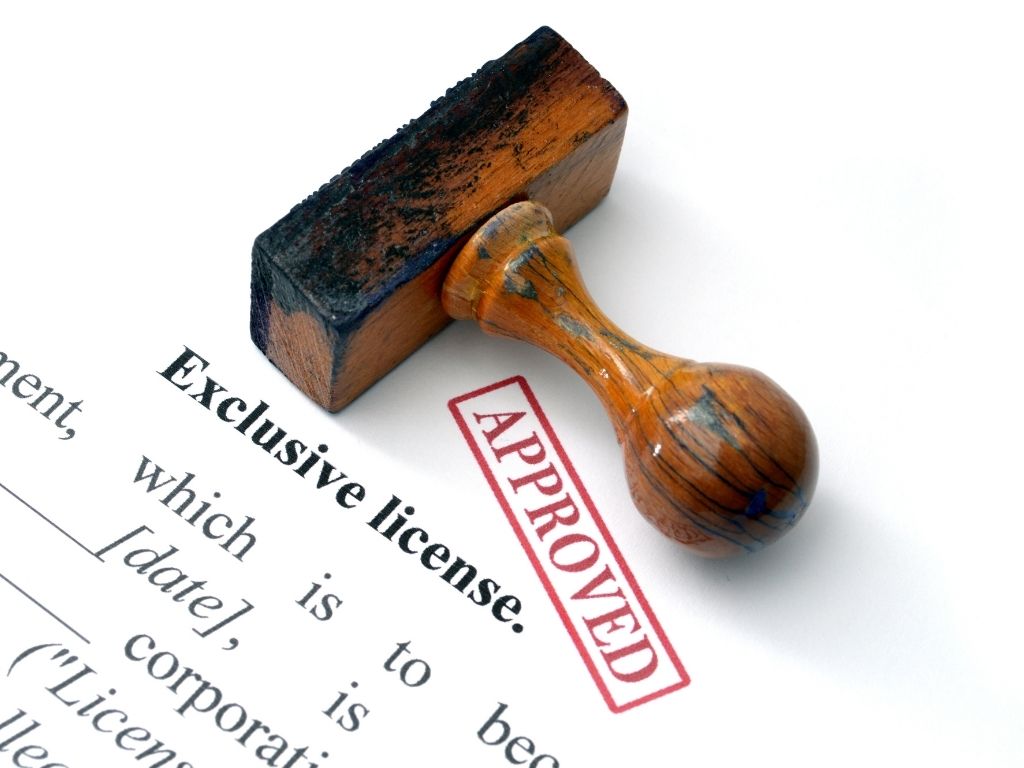
Copyright and Music Licensing
Be extremely careful about using copyrighted music in your podcast. Even short clips can result in takedown notices or legal issues. Use royalty-free music from sources like YouTube Audio Library, Epidemic Sound, or AudioJungle. Always keep records of your music licenses and usage rights.
Even a few seconds of unlicensed music can lead to serious consequences, such as:
-
Removal of your podcast from platforms like Apple Podcasts or Spotify
-
Copyright strikes or takedown notices
-
Legal action from rights holders
-
Demonetization (just some content in your channel) or (in the worst scenario) to account suspension
Privacy and Consent
Always obtain explicit consent before recording interviews or conversations with guests. Some jurisdictions require all parties to consent to recording, while others only require single-party consent. When in doubt, get written permission and clearly inform all participants that they’re being recorded.
Business Structure and Taxes
If you’re monetizing your podcast, you’re running a business and need to treat it as such. Keep detailed records of income and expenses, including equipment purchases, hosting fees, and marketing costs. Consider consulting with an accountant about the best business structure for your situation.
Disclaimers and Liability
Include appropriate disclaimers in your episodes, especially if you discuss medical, financial, or legal topics. Make it clear that you’re not providing professional advice and that listeners should consult qualified professionals for specific guidance.
Advanced Strategies for Podcast Success
Building a Media Empire
Many successful podcasters expand beyond audio content to create comprehensive media brands. This might include YouTube channels featuring video versions of episodes, blog posts expanding on podcast topics, online courses teaching your expertise, and even live events or conferences.
Data Analytics and Optimization
Use podcast analytics to understand your audience better. Track metrics like download numbers, listener retention, geographic distribution, and listening platforms. This data helps you optimize content, understand what resonates with your audience, and make informed decisions about advertising rates and sponsor partnerships.
Network Development
As your podcast grows, consider creating a podcast network featuring multiple shows. This allows you to cross-promote content, share resources, and potentially attract larger advertising deals. Networks also provide opportunities to mentor new podcasters and expand your influence in the space.
International Expansion
Consider how your content might translate to international audiences. This could involve creating content in multiple languages, addressing global rather than local topics, or partnering with international guests and co-hosts.
The Future of Podcasting: Emerging Trends and Technologies
The podcasting industry continues to evolve rapidly. Interactive podcasts that allow listener participation, AI-powered personalization, and integration with smart home devices are becoming more common. Live podcasting is growing in popularity, allowing real-time audience interaction and creating urgency around consumption.
Video podcasts are also gaining traction, with platforms like Spotify and YouTube heavily promoting video content. While audio remains the primary format, many successful podcasters now create video versions of their shows to reach audiences who prefer visual content.
Monetization options continue to expand as well. Subscription models, premium content tiers, and direct listener support are becoming more sophisticated. Brands are also developing more creative partnership models beyond traditional advertising.
The podcasting industry continues to evolve rapidly, driven by technological advances and changing consumer behaviors. Understanding these emerging trends can help you position your podcast for future success and take advantage of new opportunities as they arise.
AI-Generated Podcasts: The Rise of Artificial Intelligence in Audio Content
Artificial intelligence is beginning to revolutionize podcast production in ways that seemed like science fiction just a few years ago. AI-powered tools can now generate realistic human voices, create entire podcast episodes from written content, and even simulate conversations between artificial hosts with distinct personalities and speaking styles.
Several companies are already offering AI podcast creation services. These platforms can take a blog post, research paper, or set of talking points and transform them into a fully produced podcast episode complete with natural-sounding dialogue, appropriate pacing, and even emotional inflection. Some services can create multilingual versions of the same content, allowing podcasters to reach global audiences without the need for human translators or voice actors.
For content creators, AI offers both opportunities and challenges. On the positive side, AI can dramatically reduce production time and costs. You could potentially create daily podcast episodes without the time investment of traditional recording and editing. AI can also help with research, show notes generation, and even suggest topics based on trending subjects in your niche.
However, AI-generated content raises important ethical and authenticity questions. Will listeners connect with artificial voices the same way they do with human hosts? How should creators disclose the use of AI in their content? As this technology becomes more sophisticated and accessible, the podcasting industry will need to develop standards and best practices for AI integration.
The most successful approach may be hybrid models that combine AI efficiency with human creativity and authenticity. For example, using AI to handle routine production tasks while maintaining human involvement in content creation, guest interviews, and audience interaction.
Video Podcasts (Vodcasts): The Visual Evolution of Audio Content
Video podcasts, sometimes called “vodcasts,” represent one of the fastest-growing segments of the podcasting industry. Platforms like Spotify, YouTube, and newer services like Riverside and Zencastr are heavily investing in video podcast capabilities, recognizing that many listeners, particularly younger demographics, prefer visual content.
The appeal of video podcasts is multifaceted. Visual elements can enhance storytelling, allow for screen sharing and demonstrations, and create additional opportunities for audience engagement through facial expressions and body language. Video content is also more versatile – it can be consumed as traditional audio-only content or watched like a TV show, depending on the viewer’s preference and situation.
From a creator’s perspective, video podcasts open up new monetization opportunities. Video content typically commands higher advertising rates than audio-only content, and visual elements create additional sponsorship opportunities through product placement, branded backgrounds, and on-screen graphics.
However, video production introduces new complexities. Creators must consider lighting, camera angles, background aesthetics, and visual editing in addition to audio quality. The production time for video content is typically longer, and file sizes are much larger, requiring more robust hosting and distribution solutions.
Many successful podcasters are adopting a “video-first” approach, recording their podcasts with multiple cameras and then distributing both video and audio-only versions across different platforms. This strategy maximizes reach while accommodating different audience preferences.
The future likely holds even more sophisticated video podcast features, including interactive elements, augmented reality integration, and real-time audience participation through live streaming platforms.
Podcast SEO in Search Engines: Optimizing for Discovery Beyond Podcast Apps
Search engine optimization for podcasts is becoming increasingly important as Google, Bing, and other search engines improve their ability to index and surface audio content. This represents a significant shift from traditional podcast discovery, which relied primarily on podcast-specific directories and apps.
Google has been particularly aggressive in developing podcast SEO capabilities. The search engine can now transcribe audio content, index episode descriptions and show notes, and even display podcast episodes directly in search results. This means that podcast content can now compete with blog posts, articles, and other text-based content for search visibility.
Effective podcast SEO requires a multi-layered approach. First, optimize your podcast title, description, and episode titles with relevant keywords that your target audience is likely to search for. Use natural language that people actually type into search engines, not just industry jargon or creative titles.
Episode transcriptions are becoming crucial for SEO success. Full transcripts provide search engines with indexable text content that can match user queries. Many hosting platforms now offer automatic transcription services, though manual review and editing are often necessary for accuracy.
Detailed show notes serve as another SEO opportunity. Instead of brief episode summaries, create comprehensive show notes that include key topics discussed, guest information, relevant links, and timestamp markers for major segments. This content should be written for both human readers and search engines.
Schema markup, a form of structured data, can help search engines better understand your podcast content. This technical SEO element tells search engines that your content is a podcast episode, includes information about duration, publication date, and episode number, and can improve how your content appears in search results.
The future of podcast SEO will likely include more sophisticated audio analysis, where search engines can identify specific topics, quotes, and even emotional tone within audio content. Voice search optimization will also become increasingly important as more people use smart speakers and voice assistants to discover podcast content.
Cross-platform content strategies are essential for maximizing SEO benefits. Publishing podcast content across multiple platforms – including YouTube, podcast directories, and your own website – creates multiple opportunities for search engines to discover and index your content.
Common Mistakes to Avoid
Poor Audio Quality
Never underestimate the importance of good audio. Listeners will forgive mediocre content if the audio is clean, but they won’t tolerate great content with poor audio quality. Invest in decent equipment and learn basic audio editing skills before launching your podcast.
Inconsistent Publishing
Sporadic publishing schedules kill podcast growth. If you can’t maintain a weekly schedule, choose bi-weekly or monthly – but whatever schedule you choose, stick to it religiously. Your audience needs to know when to expect new content. Also the YouTube or Spotify algorithm will also most move up podcasts which publish more regularly.
Ignoring Your Audience
Podcasting isn’t a one-way broadcast medium. Engage with listeners who email, comment, or reach out on social media. Respond to feedback, answer questions, and make your audience feel heard and valued. This engagement builds loyalty and word-of-mouth promotion.
Over-Monetizing Too Early
Focus on building an audience before aggressively monetizing. Listeners can sense when hosts are more interested in making money than providing value. Build trust and deliver consistent value before introducing advertising or promotional content.
Neglecting Show Notes and SEO
Many podcasters put all their effort into audio content and ignore the written components. Detailed show notes, optimized titles, and good descriptions are crucial for discoverability and audience growth.
Podcast Analytics
Understanding your podcast’s performance requires more than just tracking downloads. Analytics offer essential insights into audience behavior, content effectiveness, and monetization potential.
What metrics matter?
- Downloads – the core metric in podcasting. A download is counted when a user’s app requests the audio file, whether or not the episode is actually played. Advertisers rely heavily on this number to determine reach and pricing.
- Listens or streams – an indication of how many times your episodes are actually played. Some platforms distinguish between partial and full plays, offering more accurate engagement insights.
- Listener retention – shows how much of each episode listeners complete. A drop-off after a few minutes may indicate issues with pacing, topic relevance, or audio quality.
- Unique listeners – counts how many distinct individuals are listening, helping differentiate between loyal and one-time listeners.
- Subscribers or followers – reflects how many users follow your show. A strong follower count suggests audience loyalty and can impact ranking in podcast directories.
- Geographic data – reveals where your audience is located. This can be helpful for tailoring content or pitching to region-specific sponsors.
Tools for tracking performance
Most podcast hosting platforms provide built-in analytics, but for more advanced insights, these tools are commonly used:
- Apple Podcasts Connect – provides episode retention data, listener devices, and top episodes.
- Spotify for Podcasters – offers real-time stream counts, follower trends, and demographic insights.
- Google Podcasts Manager – shows impressions, plays, and device breakdowns.
- Chartable or Podtrac – external analytics platforms that aggregate data across multiple directories and offer comparison benchmarks.
- Podcast hosting platforms – such as Buzzsprout, Libsyn, and Anchor provide dashboards with essential stats like downloads, listener trends, and episode performance over time.
Legal and Ethical Considerations
Publishing a podcast isn’t just about uploading audio — it also involves following certain legal and ethical standards. Ignoring these can lead to copyright strikes, takedown notices, or lost credibility.
Music licensing
Using copyrighted music without permission can get your podcast removed or demonetized. Even short clips fall under copyright law unless they’re explicitly licensed or fall under fair use (which is risky and limited).
Options for legally using music include:
- Using royalty-free or Creative Commons-licensed tracks
- Subscribing to music libraries like Epidemic Sound or Artlist
- Obtaining direct permission or licenses from the rights holders
Using guest content legally
If you feature guests on your show, it’s a good idea to have a guest release form. This gives you permission to:
- Record and distribute the conversation
- Use the guest’s name, voice, and likeness in promotional material
- Edit or repurpose the content as needed
Even if you have verbal consent, having written documentation protects you legally, especially in sensitive or commercial contexts.
Disclosure of sponsorships
If you’re running ads, promoting affiliate products, or accepting sponsorships, most countries (including the U.S., U.K., and EU) require clear disclosure.
- Disclose paid partnerships in the episode (verbally) and in the show notes
- Avoid misleading listeners by blending ads into the main content without proper separation
- Follow platform-specific rules (Spotify, Apple, YouTube if video podcasting)
Transparency builds trust with your audience and keeps you compliant with advertising regulations.
Was this article helpful?
Support us to keep up the good work and to provide you even better content. Your donations will be used to help students get access to quality content for free and pay our contributors’ salaries, who work hard to create this website content! Thank you for all your support!
Reaction to comment: Cancel reply